Leave Your Message

What Is a Hinge Handle and Which Type Is Best?

A Hinge Handle is a practical fitting that combines movement and grip in one compact component. It often appears on cabinets, access panels, gates, tool cases, and furniture with hinged doors. Unlike a fixed pull, it can fold, pivot, or remain close to the surface. This small difference can improve clearance in narrow rooms and busy workshops.

Choosing the right Hinge Handle requires more than comparing appearance. A handle should match the door’s weight, opening angle, usage frequency, and surrounding space. Stainless steel suits damp areas, while zinc alloy can offer attractive finishes at a lower cost. Plastic may work for light-duty storage, but it deserves careful inspection near heat or repeated impact. Check the manufacturer’s load guidance. Also examine screw spacing, plate thickness, and the hinge’s stopping position.

Real-world fitting can reveal problems that product photos hide. A handle may look elegant but catch on clothing when mounted beside a walkway. Another may feel smooth at first and loosen after months of vibration. That is why experienced installers test the handle through repeated openings before final tightening. Measure twice. Then check alignment again. No single design is best for every application. A flush Hinge Handle may save space, while a larger pivoting model can provide better leverage for stiff doors. Reliable selection comes from balancing comfort, durability, maintenance, and verified specifications. Even careful choices can need adjustment after installation, especially when the door frame is uneven.
What Is a Hinge Handle and Which Type Is Best?

What Is a Hinge Handle and How Does It Work?

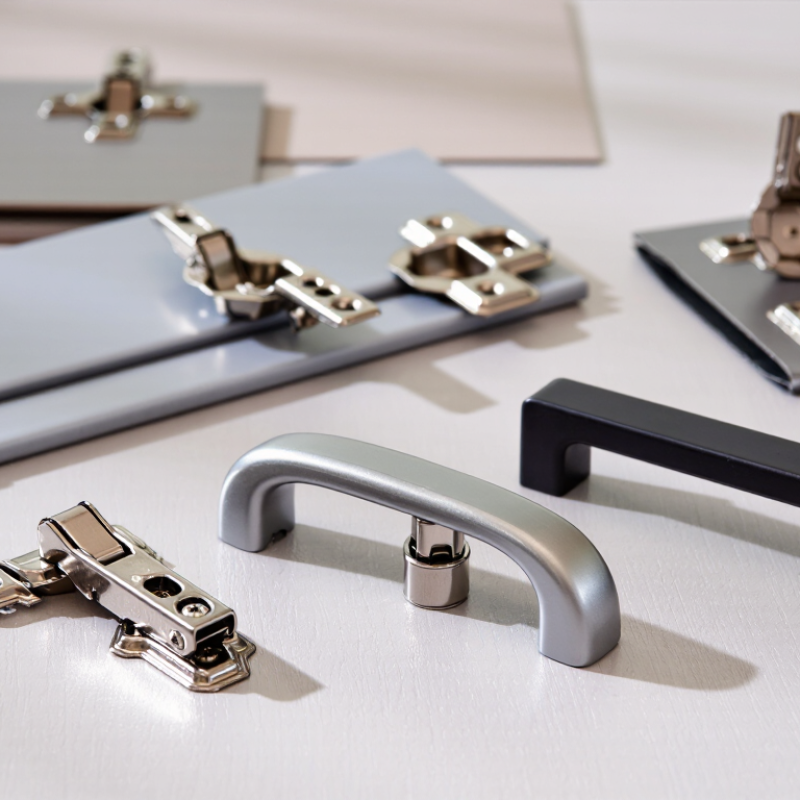
A hinge handle is a pull handle attached to a small pivoting joint. Instead of staying rigid, it folds toward the surface when released. A pivot pin carries the movement, while a spring, friction washer, or stop controls its return. This design reduces protrusion around cabinet doors, access panels, sliding doors, and compact furniture.

The mechanism is simple. Pulling the handle transfers force through the mounting plate and screws. The hinge then rotates through a limited angle, often between 90 and 180 degrees. A reliable model should feel firm, without rattling or sudden movement.

EN 1906 testing principles also emphasize operating durability, corrosion resistance, and load performance for architectural door furniture. These details matter more than appearance.

The best type depends on the installation. Spring-return handles suit busy doors because they fold back automatically. Friction-hinge handles offer adjustable resistance and work well on equipment panels. Recessed folding handles create the lowest profile, but they may feel less comfortable during repeated use. Grand View Research’s 2024 door hardware report identifies replacement activity and renovation as major market drivers, showing why adaptable hardware remains relevant. A separate Freedonia industry analysis links demand to residential repair and remodeling volumes. The word “best” is misleading. A handle that survives a workshop may feel excessive on a light cabinet. I would check the door weight, cycle frequency, screw depth, and exposed moisture before choosing. Small details often decide long-term performance.
Key Components and Functions of a Hinge Handle

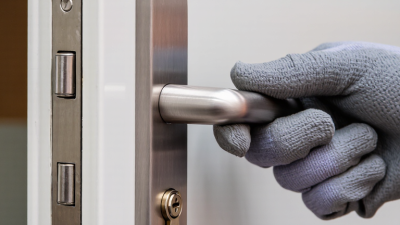
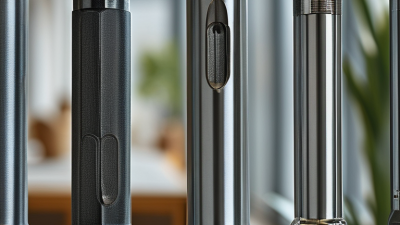
A hinge handle is a door pull or lever mounted near a hinge, allowing controlled movement while reducing stress on the door edge. Its key components include the grip, mounting plate, spindle, fasteners, bearings, and hinge knuckles. The grip provides contact. The spindle transfers turning force to the latch. Bearings or bushings support repeated movement. The hinge knuckles carry the door’s weight and maintain alignment. Small clearances matter. A 1 mm shift can create rubbing, noise, or latch failure.

Durability depends on material, geometry, installation, and testing. EN 1906 classifies lever-handle durability up to 200,000 test cycles, while lower classes cover 50,000 or 100,000 cycles. That figure is useful, but it does not recreate every building environment. A 2024 market report from Grand View Research valued the global door hardware market at more than 13 billion US dollars, reflecting strong demand for reliable access components. For frequent-use doors, a heavy-duty hinge handle with corrosion-resistant metal, reinforced fixings, and replaceable bearings is usually the safer choice. For light interior doors, a simpler spring-assisted type may be adequate. Not always. Moisture, door weight, user force, and cleaning chemicals can change the result. During inspection, check loose screws, uneven gaps, sharp edges, and handle return. The best type is not merely the strongest one; it is the model matched to the door’s load, traffic, and maintenance conditions.

Common Types of Hinge Handles and Their Differences

What Is a Hinge Handle and Which Type Is Best?

Common Types of Hinge Handles and Their Differences

A hinge handle is fitted to a hinged door, cabinet, gate, or access panel. Its shape affects grip, clearance, and daily comfort. Lever handles suit bedrooms and offices because they need less wrist rotation. Pull handles provide stronger control on heavy doors. Knobs are compact, but they can challenge users with limited hand strength. Folding handles save space on panels and compact storage doors.

Small detail. Big effect.

Material matters too. Stainless steel resists moisture, while aluminum reduces weight. A return-to-door lever can also reduce snagging risks. The 2010 ADA Standards recommend operable hardware between 34 and 48 inches above the finished floor. They also limit operating force to 5 pounds for many doors. These measurements help convert a stylish choice into a usable one. In practice, installers should still check door weight, hinge alignment, and available clearance.

Industry data supports a careful selection process. The Freedonia Group’s 2024 door hardware analysis identifies replacement and renovation as important demand drivers. That trend favors durable handles, not merely attractive ones. ANSI/BHMA performance testing also evaluates strength, endurance, and finish durability. A higher classification can suit busy entrances, but it may increase cost and installation demands. My initial preference is usually a lever handle. However, a pull or folding handle may perform better on thick, heavy, or space-limited doors. No single type fits every hinge.

How to Choose the Best Hinge Handle for Your Needs

A hinge handle is a pull handle fitted to a hinged door, cabinet, gate, or access panel. It helps users open the panel while supporting controlled movement around the hinge. The right design depends on more than appearance.

Start with the panel’s weight and opening direction. A heavy metal door needs a strong handle with secure fixing points. A light cabinet can use a smaller handle with less structural support. Measure the available clearance, too. A handle that sits too close to a wall may bruise knuckles or restrict movement.

Choose materials according to the environment. Stainless steel suits damp rooms, workshops, and outdoor applications because it resists corrosion. Powder-coated metal offers a warmer visual finish, but damaged coating may expose the surface underneath. Plastic can feel comfortable and reduce cost, though it may weaken under heat or repeated impact.

Grip shape matters during daily use. Rounded edges are kinder to hands, while textured surfaces improve control with gloves. Check the hinge position before drilling. A poorly placed handle can twist the panel or strain its fasteners. I once selected a handle by appearance alone, and the grip later interfered with a nearby frame. That mistake was avoidable.

Test the handle with the actual panel if possible. Open it slowly, then apply normal pulling force. Watch for flex, sharp edges, loose screws, and awkward wrist angles. There is no perfect choice. The best hinge handle balances strength, clearance, comfort, maintenance, and the habits of its users.

Installation, Maintenance, and Replacement Considerations

What Is a Hinge Handle and Which Type Is Best?

A hinge handle combines a gripping point with a door hinge or nearby pivoting hardware. Its design helps users open lightweight doors smoothly. The best type depends on door weight, material, clearance, and daily use. Surface-mounted models suit simple repairs and visible hardware. Concealed designs look cleaner but demand more accurate measurements. A neat appearance is not enough.

During installation, measure the door thickness and screw-hole spacing before ordering a replacement. Mark the centerline with a pencil, then check that the handle clears nearby trim. Use screws long enough for secure support, but avoid piercing the door panel. Tighten each fastener gradually. Excessive force can distort the hinge or strip soft wood. Test the door several times before final adjustment.

Maintenance takes little time. Wipe dust from the pivot and inspect screws every few months. Apply a small amount of suitable lubricant when movement becomes stiff. Do not flood the joint. Excess lubricant attracts grit. Watch for scraping sounds, uneven gaps, rust, or a handle that feels loose. These signs may indicate worn pins or misalignment. One common mistake is replacing only the handle while ignoring a weakened hinge. If the door sags after adjustment, replacing the complete hinge-handle assembly may provide safer, steadier support. Measurements should be checked twice; even experienced installers occasionally trust an old mark.