 Rod lock
Leave Your Message
Global buyers rarely choose a Hinge Handle by appearance alone. A handle must open smoothly, feel secure, and withstand repeated use. Buyers also compare materials, finish consistency, production capacity, lead times, and communication. Small details matter. A poorly finished edge can change the feel of an entire cabinet or machine enclosure.
Market reports offer useful context, but not a perfect shortcut. Fortune Business Insights’ Door Hardware Market report examines a broader product category; it does not isolate every hinge-handle design or supplier capability. That limitation matters. Buyers should verify specifications, samples, inspection procedures, and delivery terms directly with manufacturers. Industrial designer Dieter Rams offered a useful principle: “Good design is as little design as possible.” For a Hinge Handle, that can mean a clean profile, dependable movement, and no unnecessary complexity. It is a design principle, not a supplier guarantee.
This guide introduces ten China-based suppliers for global buyers to assess. It considers product range, manufacturing focus, customization, and export readiness, while recognizing that public company information can be incomplete or outdated. A polished catalogue is only a start. Request a sample. Check the mounting points, finish, and movement in your own application. Then compare the supplier’s written specifications with the part in hand. That extra step takes time. It can prevent an expensive mismatch.
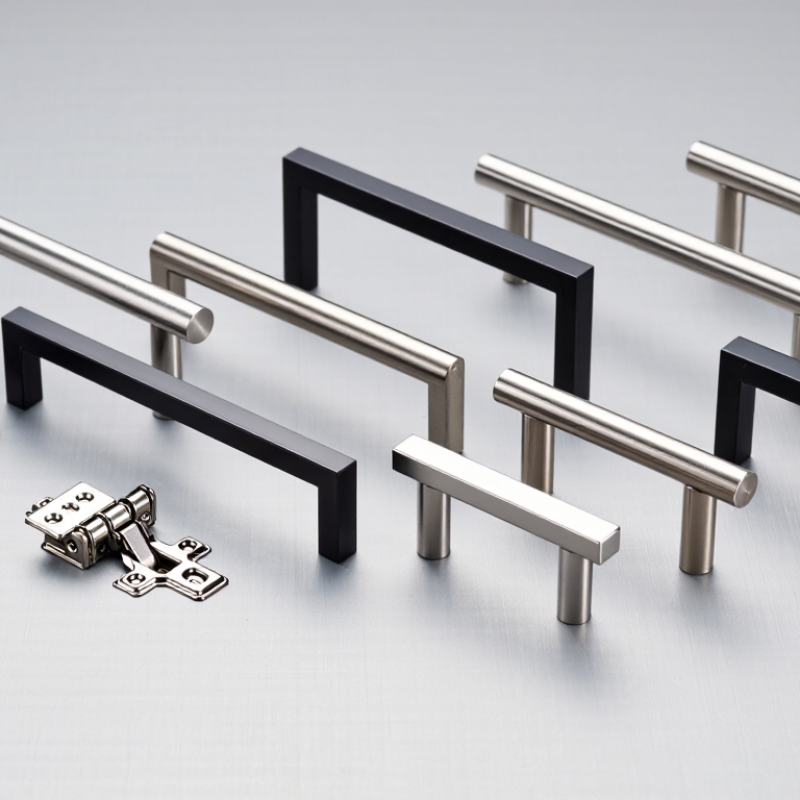
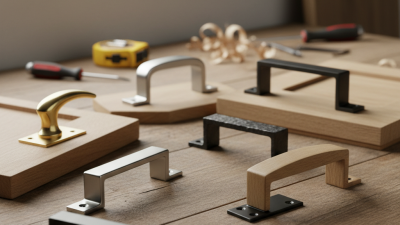
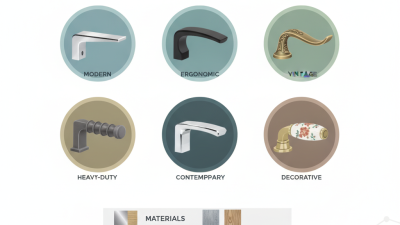
Hinge handles combine a gripping point with a pivoting or hinged connection, helping operators open equipment doors without adding a separate pull. Common designs include fixed bow handles, folding handles, and recessed handles. Fixed bows suit frequent access, while folding styles reduce snagging on mobile machinery. Recessed versions keep door fronts flush, but can be harder to grip with gloves. Small details matter.
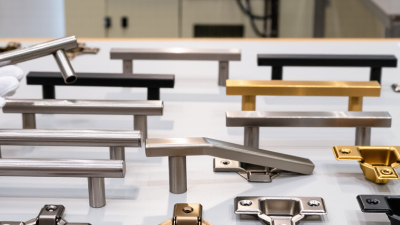
Materials should match the environment and expected use. Stainless steel resists moisture and frequent cleaning, making it useful on food-processing and outdoor enclosures. Aluminum keeps weight down on transport equipment, while zinc alloy can provide a firm, economical grip indoors. Reinforced polymer may suit lighter cabinets, though heat and impact limits need checking. A polished finish is not proof of corrosion resistance; ask suppliers for material and coating specifications.
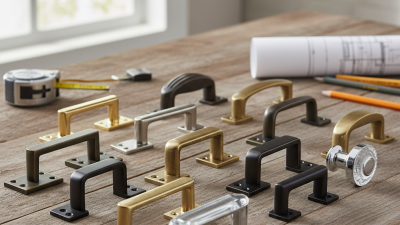
Applications range from electrical cabinets and machine guards to vehicle compartments and storage cases. Before choosing a supplier, compare mounting-hole spacing, door thickness, handle clearance, and rated load. A handle that feels sturdy on a sample may still interfere with a nearby latch when installed. That oversight is easy to make. Confirming the fit on a drawing or trial assembly can prevent rework, especially when ordering for several enclosure models.
The table compares common supplier specializations and product configurations. Entries are category-based, not named companies or a verified ranking.
| No. | Supplier Specialization | Common Hinge Handle Type | Typical Materials | Common Finishes | Typical Applications | Buyer Considerations |
|---|---|---|---|---|---|---|
| 1 | Industrial enclosure hardware | Hinged compression handle | Zinc alloy, stainless steel, or steel | Powder-coated, chrome-plated, or passivated | Electrical cabinets, control panels, and machine enclosures | Check cut-out dimensions, compression travel, and compatibility with the door thickness. |
| 2 | Stainless-steel hardware | Lift-off hinge with pull feature | 304 or 316 stainless steel | Brushed, polished, or passivated | Food-processing equipment, washdown areas, and outdoor enclosures | Specify the stainless-steel grade and assess exposure to chlorides or cleaning chemicals. |
| 3 | Furniture and cabinet hardware | Cabinet hinge with integrated pull | Steel, stainless steel, or zinc alloy | Nickel-plated, black-coated, or brushed | Storage cabinets, furniture doors, and compact access panels | Confirm overlay or inset geometry, opening angle, and mounting pattern. |
| 4 | Marine and outdoor hardware | Heavy-duty hinge with grab handle | 316 stainless steel or corrosion-resistant aluminum alloy | Polished, anodized, or marine-grade passivated | Boat lockers, outdoor equipment boxes, and exposed access doors | Review corrosion exposure, load requirements, and fastener material compatibility. |
| 5 | Heavy-equipment hardware | Weld-on hinge with handle or grip point | Carbon steel or stainless steel | Painted, powder-coated, or zinc-plated | Construction machinery, agricultural equipment, and steel service doors | Check weldability, pin diameter, door weight, and expected operating cycles. |
| 6 | Refrigeration and HVAC hardware | Adjustable hinge handle assembly | Stainless steel, steel, or zinc alloy | Brushed, plated, or powder-coated | Cold-room doors, refrigeration cabinets, and HVAC access panels | Verify adjustment range, sealing requirements, and performance at the operating temperature. |
| 7 | Concealed-hardware manufacturing | Concealed hinge with recessed finger pull | Zinc alloy, steel, or aluminum | Anodized, painted, or plated | Flush cabinet doors, instrument panels, and interior equipment compartments | Check recess depth, door clearance, and whether the hinge is accessible for adjustment. |
| 8 | Lightweight equipment hardware | Aluminum hinge with fold-down handle | Aluminum alloy or stainless steel | Anodized, brushed, or powder-coated | Portable equipment cases, lightweight machinery, and transport enclosures | Compare weight, handle clearance, and load capacity with the complete assembly. |
| 9 | Custom metal-fabrication hardware | Custom-length hinge handle | Carbon steel, stainless steel, or aluminum alloy | Specified to order: painted, plated, anodized, or brushed | Special-purpose machinery, bespoke cabinets, and OEM equipment | Provide drawings, tolerances, material grade, finish, and sample approval requirements. |
| 10 | High-volume stamped hardware | Stamped hinge with formed pull tab | Low-carbon steel, stainless steel, or aluminum sheet | Zinc-plated, painted, or passivated | Appliance panels, electrical boxes, and repeat-production sheet-metal assemblies | Assess tooling requirements, dimensional consistency, burr control, and production-volume fit. |