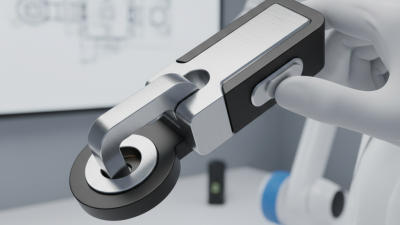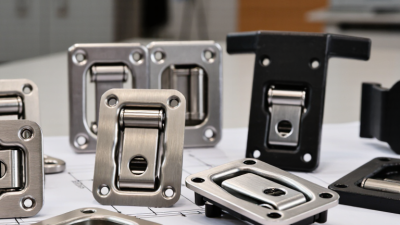
 Rod lock
Leave Your Message
Choosing a Control Lock supplier is not just a price comparison. Buyers need to know how each product performs in its intended setting. A cabinet lock in a quiet office faces different demands from a control-panel lock exposed to vibration, dust, or frequent service. Small details matter: key control, mounting depth, finish, replacement parts, and delivery consistency.
Security technologist Bruce Schneier wrote, “Security is a process, not a product.” That principle also applies to supplier selection. A reliable partner should explain product limits, provide clear technical documentation, and respond when a specification changes. This guide compares ten suppliers through practical questions: What applications do they serve? How do they document testing? Can they support repeat orders and after-sales needs? Details vary by model and market, so buyers should verify claims directly.
No comparison is flawless. A supplier may look strong on paper yet be a poor fit for a particular assembly line or maintenance schedule. That is worth remembering. The following overview is intended to help global buyers narrow their options, compare evidence, and ask sharper questions before requesting samples or quotations. Shortlist carefully. Then confirm dimensions, operating conditions, and service expectations with the supplier.
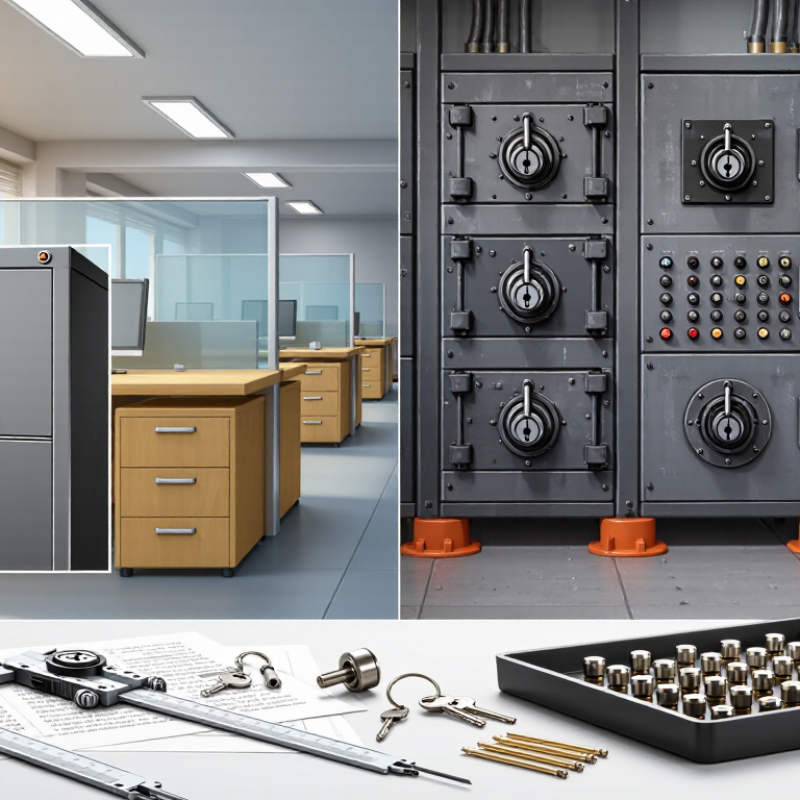
Control locks restrict access to equipment, enclosures, or rooms. They may operate with a physical key, keypad, card, or electronic credential. On factory floors, compact quarter-turn locks often secure electrical cabinets and machine panels. Larger systems may record who entered and when. That matters.
Common applications include control cabinets, telecom enclosures, utility equipment, server rooms, and storage areas in commercial buildings. A lock helps prevent casual or unauthorized access, but it is not a safety interlock. Workers still need appropriate safeguards when servicing machinery. Grand View Research valued the global access control market at USD 10.32 billion in 2023. Its report forecasts an 8.4% compound annual growth rate from 2024 to 2030. This covers access control broadly, not control locks alone, so it should not be read as lock-market revenue.
Selection depends on the setting. A stainless-steel lock may suit a damp production area; an outdoor telecom cabinet needs weather-resistant hardware. Mechanical locks can avoid power and network requirements, while electronic models can simplify credential changes. Each has trade-offs. Key control is easy to underestimate. Before specifying a lock, check door thickness, required access frequency, exposure to dust or moisture, and maintenance needs. A lock that fits the drawing may still be awkward to use with gloves.
Control locks restrict access to equipment controls, enclosures, or operating functions. The table below compares common control-lock types and their typical uses to help buyers assess product fit; it does not rank or identify suppliers.
| No. | Control Lock Type | How It Works | Common Applications | Buyer Considerations |
|---|---|---|---|---|
| 1 | Cam lock | A key-operated cylinder turns a cam behind the mounting surface to secure a door or panel. | Electrical cabinets, instrument panels, mailboxes, and small enclosures. | Check panel thickness, cam length and shape, mounting-hole dimensions, and keying options. |
| 2 | Quarter-turn compression lock | A quarter-turn action rotates the cam and draws the door against a gasket to create compression. | Outdoor control cabinets, HVAC enclosures, and equipment doors requiring a tighter seal. | Verify grip range, gasket compression needs, door thickness, and the enclosure’s ingress-protection requirements. |
| 3 | Swing-handle lock | A flush or folding handle releases a multi-point locking mechanism when turned. | Large electrical cabinets, industrial enclosures, and server or network cabinets. | Confirm door cutout, handle orientation, rod or cam configuration, and compatibility with the enclosure. |
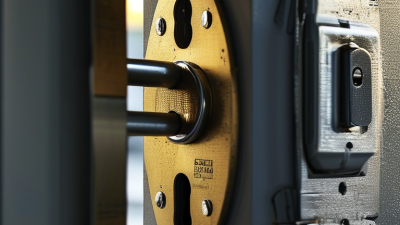
| 4 | Rod-control locking system | A handle or lock drives vertical rods that engage at multiple points along a cabinet door. | Tall control cabinets and doors that need more than one latching point. | Check cabinet height, rod travel, top-and-bottom engagement, and installation clearances. |
| 5 | Key-operated selector switch | A removable key turns an electrical switch between defined positions, limiting operation to key holders. | Machine-control stations, operator panels, and equipment mode selection. | Select the required contact configuration, number of positions, key-removal positions, and electrical ratings. |
| 6 | Key-release pushbutton | A key is needed to operate or reset a pushbutton, depending on the device design. | Restricted machine controls, reset stations, and supervised operating points. | Confirm whether the key controls actuation, reset, or release, and check contact ratings and panel cutout size. |
| 7 | Interlock lock | A mechanical or electrical interlock coordinates access to a door with an equipment state or operating sequence. | Machinery guards, electrical switchgear, and process equipment access points. | Assess the complete safety circuit and applicable standards; a lock alone does not make equipment safe. |
| 8 | Padlockable hasp or lockout point | A hasp or dedicated point accepts a padlock to prevent operation or access while the lock is applied. | Maintenance isolation points, disconnect switches, and lockout/tagout procedures. | Check the equipment’s lockout design and workplace procedures; select a compatible, appropriately rated device. |
| 9 | Electronic access lock | An electronic credential or controller authorizes release of a latch or locking mechanism. | Shared technical rooms, network cabinets, and facilities requiring access records. | Review power requirements, credential management, backup access, environmental limits, and cybersecurity needs. |
| 10 | Cabinet latch with keyed release | A keyed mechanism releases a spring or rotary latch that holds the cabinet door closed. | Control boxes, machinery enclosures, and access doors with frequent operation. | Check latch engagement, door alignment, operating frequency, corrosion exposure, and available mounting space. |
Selection note: confirm dimensions, materials, operating environment, required access control, and applicable safety or enclosure specifications before ordering.