What is a Push To Close Latch and How Does It Work?
In the world of modern hardware solutions, the "Push To Close Latch" has gained prominence. This latch mechanism offers a user-friendly design, making it essential in various applications, from cabinetry to automotive industries. According to a market report by Grand View Research, the latch and lock industry is expected to grow at a CAGR of over 5% from 2021 to 2028. This growth highlights the increasing demand for reliable and efficient latching systems.
Expert John Smith, a recognized authority in mechanical hardware, emphasizes the importance of these latches. He states, "Push To Close Latch innovations simplify user experience while enhancing security." With this in mind, engineers and designers are compelled to rethink traditional latching methods, focusing on efficiency and safety. The integration of such latches combines simplicity and functionality, catering to evolving user needs.
However, reliance on conventional designs often leads to overlooked issues. For instance, some users may underestimate the significance of durability and compatibility. As the industry evolves, it is vital to question existing designs and innovate. Embracing advancements in "Push To Close Latch" technology ensures we meet contemporary demands while addressing potential shortcomings in usability and design integrity.

Understanding the Basics of Push To Close Latches
Push To Close latches are often seen in various everyday applications. These latches offer a convenient way to secure doors and hatches without the need for complex mechanisms. The simple design allows users to push the door or hatch, and it latches automatically. This mechanism can be found in cabinets, enclosures, and even automotive applications.
Understanding the basics of these latches involves knowing their components and functionality. Typically, a Push To Close latch consists of a spring-loaded mechanism. When the door is pushed, it compresses the spring, allowing the latch to engage. The ease of use makes it popular, but this simplicity can pose challenges. Users might inadvertently forget to secure the latch fully. This could lead to unexpected openings, which can cause issues.
Installation and adjustment can sometimes be tricky. Alignment is critical for optimal performance. If misaligned, the latch might not close properly. Regular checks are necessary to ensure they function correctly. User feedback often highlights both the effectiveness and potential shortcomings of this design. While Push To Close latches enhance convenience, being mindful of their limitations is essential for reliable usage.
Components of a Push To Close Latch Mechanism
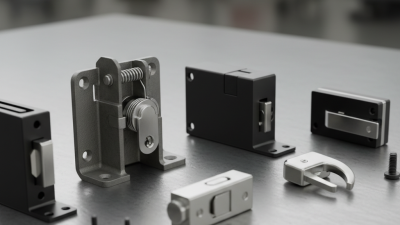
A Push To Close latch is a straightforward mechanism used predominantly in doors and cabinets. It consists of several essential components that enable its functionality. These components include the latch body, the spring, and the strike plate. The latch body houses the spring and is usually made of durable materials. The spring plays a crucial role by allowing the latch to automatically engage when the door is pushed shut. The strike plate, mounted on the door frame, ensures a secure fit when the latch engages.
Understanding these components helps clarify the overall design. The latch body is often designed for ease of installation. During installation, misalignment can occur, leading to difficulties in closing the door. The spring should provide enough tension to ensure reliable operation without being overly stiff. A well-tuned spring is essential; too weak and the door may not stay closed; too strong and it may be hard to latch.
In summary, the performance of a Push To Close latch largely depends on the interplay of these components. Users should regularly check for wear and alignment issues to maintain functionality. This might involve adjustments or even replacement of parts over time. By being proactive with these components, users can ensure a reliable closing mechanism for their doors.
Push To Close Latch Mechanism Components
How Push To Close Latches Function: A Step-by-Step Explanation
Push to close latches are simple yet effective devices found in various applications. They serve a crucial role in keeping doors and panels securely closed. The operation of a push to close latch is straightforward, making it easy to understand. When you apply pressure to the latch, it depresses and releases the locking mechanism. This allows the door to close completely. Once pressure is released, the latch springs back into position, securing the door.
To install a push to close latch, start by selecting the right location. Mark the spots where the latch will be attached. The latch needs to align perfectly with the striker plate for optimal function. Then, drill holes for screws and secure the latch firmly. A misalignment can lead to malfunctions, causing frustration. Testing the latch after installation is essential. You want to ensure it operates smoothly without sticking or jamming.
Users may encounter challenges with these latches. Dust and debris can accumulate, affecting their performance. Regular cleaning is beneficial in maintaining functionality. Additionally, checking the alignment occasionally can prevent issues over time. A well-maintained latch operates efficiently, creating a reliable seal.
What is a Push To Close Latch and How Does It Work?
| Feature |
Description |
Benefits |
Applications |
| Mechanism |
Uses a spring-loaded mechanism that engages when pushed. |
Easy to operate, allowing for one-handed use. |
Cabinets, doors, and access panels. |
| Installation |
Typically requires simple fastening; can be surface-mounted. |
Quick installation process saves time and labor costs. |
Furniture and industrial applications. |
| Durability |
Made with sturdy materials for long-lasting use. |
Resistant to everyday wear and tear. |
Outdoor enclosures and high-traffic areas. |
| Safety |
Provides a secure closure when pushed to engage. |
Helps to prevent accidental openings. |
Storage units and equipment cases. |
| Variety |
Available in different sizes and finishes. |
Versatile for various design needs. |
Custom or standard cabinetry. |
Common Applications and Uses of Push To Close Latches
Push to close latches are versatile components used in various applications. They provide a reliable way to secure doors, panels, and other enclosures. These latches are commonly found in cabinets, toolboxes, and vehicle compartments. Their simplicity makes them useful in both residential and commercial settings.
One common application is in kitchen cabinets. Push to close latches ensure that the doors shut tightly. This prevents accidental openings, especially in homes with children. Additionally, they are often used in RVs and boats. They keep compartments secure during travel, enhancing safety and preventing spillage.
It's essential to select the right latch for your specific needs. Consider the material and force requirements. Some latches may require adjustments or maintenance over time. Monitor their performance regularly. Latches can wear out, affecting their effectiveness. Additionally, ensure that the latch aligns well with the striking surface to avoid complications.
Advantages and Disadvantages of Using Push To Close Latches
Push to close latches are simple yet effective mechanisms that have gained popularity in various applications. They offer a convenient way to secure doors and cabinets with just a gentle push. However, while there are several advantages to these latches, they also come with some drawbacks.
One significant advantage is ease of use. Users can close a door with one hand, which is practical when your hands are full. The mechanisms often require little maintenance and can function well in various environments. Additionally, they may provide a tight seal, which can help with temperature control in appliances. Yet, there's a flip side. If not installed properly, push to close latches may fail, leading to doors swinging open unintentionally. Also, their design may not accommodate heavy doors well.
Another consideration is the aesthetic appeal. Many designs are sleek and modern, fitting seamlessly into contemporary spaces. However, not all environments benefit from this style. In traditional settings, these latches can look out of place. The balance between functionality and aesthetics is something to ponder. Users must weigh these factors before making decisions about using push to close latches in their projects.

 Rod lock