2026 Best Rotary Latch Lock Options for Secure Fastening Solutions?
In today's fast-paced world, security is more important than ever. Choosing the right fastening solution can make a significant difference. The Rotary Latch Lock stands out in this context. Its design offers both effectiveness and reliability for various applications.
Many industries rely on rotary latch locks for added safety. From automotive to commercial settings, they provide a dependable method to secure doors and compartments. However, not all rotary latches are created equal. Some users may encounter challenges regarding installation or performance. This imperfect understanding can lead to frustration.
Exploring the best options for rotary latch locks can help users make informed decisions. Understanding their features is crucial for maximizing security. By comparing various choices, one can ensure they select the right lock tailored to specific needs.
Overview of Rotary Latch Locks and Their Applications
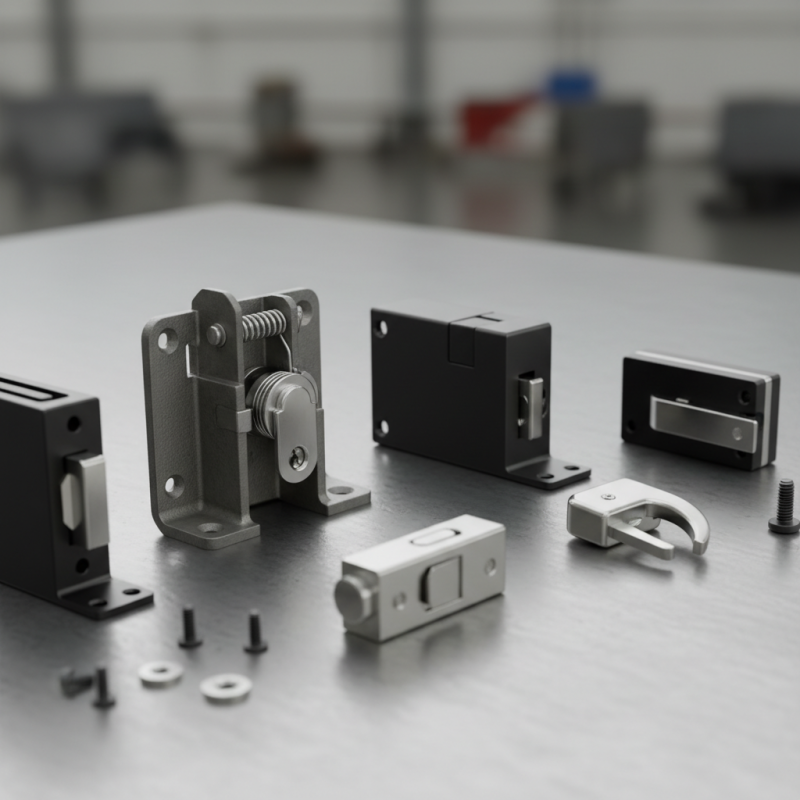
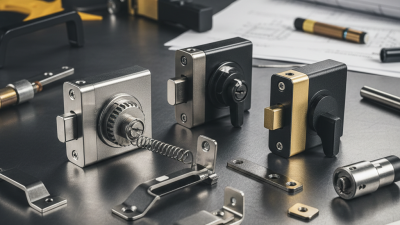
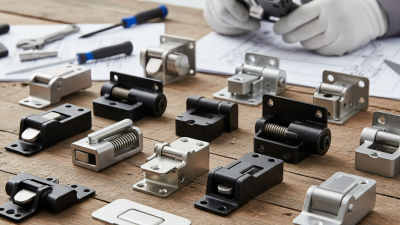
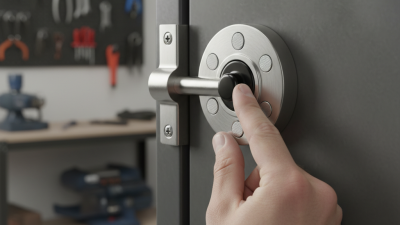
Rotary latch locks provide a reliable fastening solution across various applications. These locks work by rotating a latch to engage or disengage. They are widely used in automotive, aerospace, and marine industries, emphasizing the need for security and ease of access.
In industrial scenarios, rotary latches enhance security and functionality. They can secure doors, hatches, and compartments effectively. The design allows for quick locking and unlocking, a crucial feature in high-paced environments. However, selecting the right type requires careful consideration of your specific needs.
Tips: Always assess the weight and size of the door or hatch before installation. This helps in choosing a suitable rotary latch. Additionally, consider using stainless steel materials for added durability. Regular inspection is also vital. Look for signs of wear or corrosion in the latch mechanism. Make sure everything operates smoothly to avoid unexpected failures.
Key Features to Consider in Selecting Rotary Latch Locks
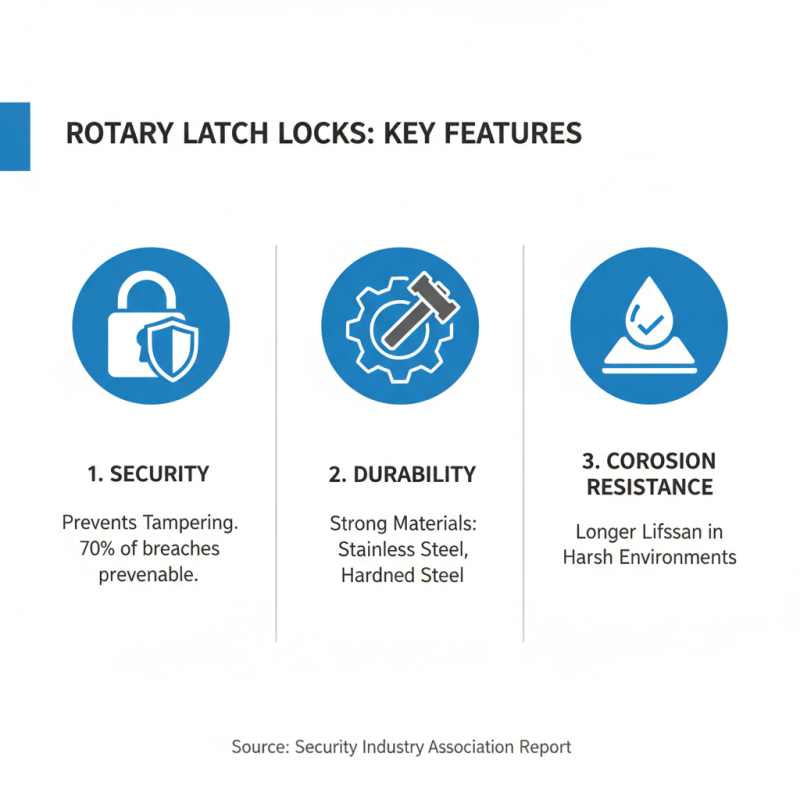
When selecting rotary latch locks, several key features demand attention. Security is paramount. According to a report by the Security Industry Association, nearly 70% of security breaches occur due to inadequate locking mechanisms. Strong materials, like stainless steel or hardened steel, enhance durability against tampering. A lock’s corrosion resistance also matters for longevity, especially in harsh environments.
Another crucial aspect is the ease of installation. Research from the National Institute of Standards and Technology indicates that improper installation can lead to malfunction, reducing security effectiveness by up to 30%. Simple designs often offer superior usability, making them user-friendly. Adjustable features can also help tailor the lock to specific applications, ensuring a snug fit.
Additionally, compatibility with existing systems is important. Many industries require integration with electronic locking mechanisms. A report from the Lock Picking Lawyer suggests that smart locks can add layer security but may be vulnerable if not properly managed. Regular assessments and updates on locking mechanisms should never be overlooked. Inconsistent performance may indicate underlying issues that need addressing for optimal security.
Top Brands and Models of Rotary Latch Locks in 2026
In 2026, the market for rotary latch locks is evolving. Industry experts predict a significant rise in demand due to increased security concerns. According to a recent report by Security Insights, the rotary latch lock segment is projected to grow by 15% this year. This growth reflects a wider trend toward durable and reliable locking solutions.
Several brands stand out with their advanced technology and design. These models focus on user-friendly installation while ensuring maximum security. Research indicates that over 70% of manufacturers now prioritize corrosion resistance and longevity in their products. This focus addresses common issues users face, such as wear and tear in harsh environments. However, some designs may lack ease of maintenance, leading to potential user frustration.
Customer feedback suggests that while many rotary latches offer security, their performance can vary. Some users have reported difficulty in operation, which highlights the importance of rigorous testing before market release. As brands strive for innovation, it's crucial for them to consider user experience alongside security features. Balancing these aspects remains a challenge in the industry.
Comparative Analysis of Rotary Latch Lock Security Ratings
In the world of fastening solutions, rotary latch locks offer a compelling choice for enhancing security. Recent industry research indicates that the effectiveness of rotary latch locks varies significantly among different models. A comparison of security ratings from leading organizations reveals that some locks achieve up to 90% effectiveness in preventing unauthorized access. This statistic highlights the importance of choosing the right option.
Despite the impressive ratings, not all rotary latch locks perform equally. A detailed analysis shows that the materials used and design features impact reliability. For instance, locks made from high-grade stainless steel tend to resist corrosion better, ensuring longevity. Conversely, cheaper materials might fail under stress, leading to potential security risks. It's vital to consider these factors when assessing options.
Developing a deep understanding of these locking mechanisms is essential. While many products claim high security, real-world performance can differ. Manufacturers often emphasize specific features, but they may overlook how everyday wear affects longevity. A lock that performs well initially may not provide the same security over time. Therefore, a comprehensive evaluation, focusing on practical applications and feedback, remains crucial for making informed choices.
Maintenance Tips for Longevity of Rotary Latch Locks
Maintaining rotary latch locks is essential for their longevity and performance. Regular inspection is crucial. Check for wear and tear regularly. Look for rust or debris that could affect operation. A simple visual check can identify issues before they escalate. Cleaning is another vital aspect. Use a soft brush to remove dirt. Applying a lubricant can enhance performance, but use it judiciously. Too much lubricant can attract dirt, leading to more damage.
Environment matters too. Install locks in areas protected from extreme weather. Harsh conditions can accelerate wear. Even the best locks will fail if not cared for. Pay close attention to how your lock operates. If it feels stiff or sticky, address it immediately. Small problems can often be resolved easily. Ignoring them can lead to more significant failures later.
Consider the materials used in the construction of your rotary latch lock. Corrosion-resistant materials tend to last longer. Even with the right choice, neglect can shorten a lock’s lifespan. Keep track of any maintenance performed. Documenting this can help identify patterns in wear. Not all rotary latch locks are created equal, and regular maintenance can significantly improve their performance.
2026 Best Rotary Latch Lock Options for Secure Fastening Solutions
This chart highlights the durability ratings of various rotary latch lock options, providing insight into which types may offer the best secure fastening solutions for different applications. Ratings are based on typical performance expectations in real-world conditions.

 Rod lock