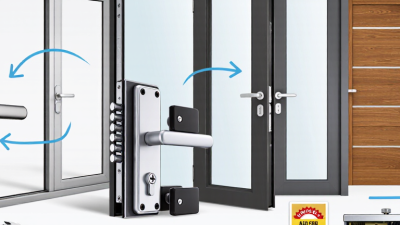
 Rod lock
Leave Your Message
A Pull Lock may look like a small hardware choice, but it affects how a cabinet, drawer, or access panel feels and functions every day. The right option should match the door or panel, the installation space, and the level of access control you need. A lock that looks sturdy can still be awkward if its body is too deep or its pull is difficult to grip. Small details matter.
Start by checking the panel’s thickness, available clearance, and mounting method. Then consider the material, finish, and how often the lock will be used. A unit installed on a workshop cabinet may face dust and frequent handling, while one on a display case may need a discreet appearance. Compare product dimensions and installation instructions rather than relying on photos alone. That is not enough. If possible, measure the opening and confirm the hardware fits before ordering.
Security needs deserve a realistic assessment. A Pull Lock can help control access, but its performance depends on the surrounding panel, fasteners, and correct installation. Check the manufacturer’s specifications, compatible materials, and any stated load or durability ratings. Also consider whether keys, replacement parts, or routine maintenance will be easy to manage. It is tempting to choose by price or appearance first; I would pause there. A slightly less attractive model may prove more practical, and the best choice depends on the actual setting. This guide outlines the main factors to compare, so you can select a Pull Lock with fewer surprises and a clearer understanding of its limits.
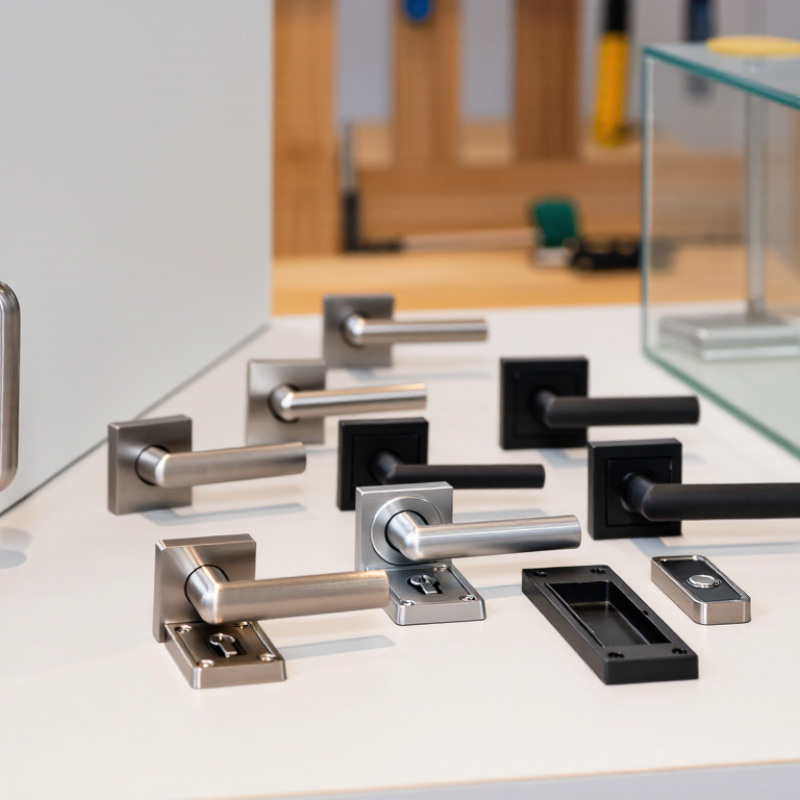
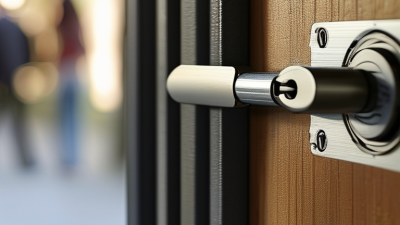
A pull lock is a fitting that combines a handhold with a locking action. Its handle helps you pull a panel, drawer, or door closed, while an internal latch or cam keeps it in place. Designs differ: some turn with a key, while others use a simple lever or catch. Check how the mechanism engages before choosing one. A lock that does not align with its frame may feel stiff or fail to hold securely.
Pull locks are common on cabinets, storage chests, equipment cases, and sliding doors. On a workshop cabinet, for example, the lock may need to stay clear of nearby tools and allow easy access with one hand. A travel case may benefit from a recessed handle that will not snag during handling. Small detail. Measure the panel thickness and available clearance, then consider how often the lock will be used. A compact option can look tidy but feel fiddly with gloves. There is no perfect fit for every setup, and appearance alone is a poor guide. Test the handle movement and latch engagement on the actual panel whenever possible.
| Pull Lock Type or Use | Common Application | Typical Locking Method | Key Fit Considerations | Best Suited For |
|---|---|---|---|---|
| Cabinet or drawer pull lock | Office cabinets, storage drawers, and furniture doors | A key-operated cam or bolt secures the drawer or door to its frame. | Check the panel material and thickness, available mounting space, lock-body depth, and the direction the cam must turn. | Restricting casual access to documents, supplies, or personal items. |
| Display-case pull lock | Retail display cases and glass-front cabinets | Depending on the design, a keyed lock secures a sliding panel, hinged door, or paired doors. | Confirm the door style, glass thickness, mounting method, and whether the lock is designed for glass or a framed panel. | Securing merchandise or collectibles while keeping items visible. |
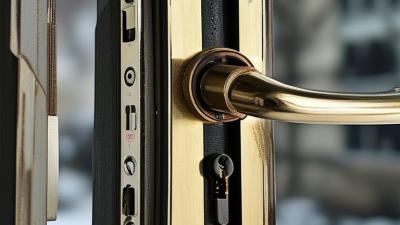
| Sliding-door pull lock | Sliding patio doors and other sliding panels | A latch or hook engages the adjoining frame; some designs combine the lock and pull handle. | Match the lock to the door’s handing, frame profile, panel thickness, and existing handle or preparation. | Convenient operation and added resistance to opening from the outside. Security depends on the complete door and frame assembly. |
| Flush or recessed pull lock | Pocket doors, sliding cabinets, and panels where a projecting handle would get in the way | A recessed pull provides a grip, while an integrated latch or locking mechanism secures the panel. | Measure the cutout, recess depth, panel thickness, and clearance inside the cavity or track. | Applications that need a low-profile pull and lock in a limited-clearance space. |
| Locker or storage-unit pull lock | Personal lockers, utility cabinets, and shared storage units | May use a keyed cam, latch, or a compatible padlock arrangement, depending on the unit. | Check the door material, mounting-hole pattern, latch engagement, and whether users need individual keys or shared access. | Everyday storage where simple, practical access control is needed. |
| Choosing for frequent use | Busy offices, shops, and shared facilities | Choose an operating style that is easy to use repeatedly and straightforward to maintain. | Consider operating force, key management, exposure to dirt or moisture, and availability of replacement parts. | Locations where convenience and maintainability matter alongside basic security. |
| Choosing for stronger security needs | Valuable contents or areas with controlled access | Lock design is only one part of the overall security system. | Assess the door, frame, fasteners, installation quality, and the required level of access control; verify any applicable security ratings for the specific product. | Situations where a basic furniture or utility lock may not provide sufficient protection. |