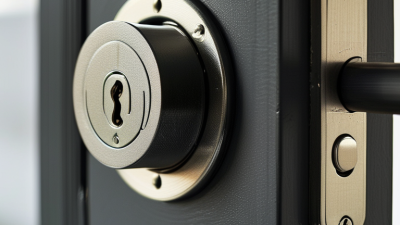
Choosing the best Sliding Lock in 2026 requires more than comparing prices or polished product photographs. Modern doors vary widely, from lightweight aluminum frames to heavy glass panels and solid timber entrances. Each material creates different demands for holding strength, alignment, weather resistance, and daily operation. There is no universal winner.
Elena Marquez, an architectural hardware consultant with extensive commercial installation experience, says, “A Sliding Lock is only dependable when its design, door material, and installation work together.” Her point deserves attention. A compact lock may perform smoothly in a dry apartment, yet fail prematurely near coastal air or heavy traffic. Look for corrosion-resistant components, precise adjustment points, tested cycle ratings, and a clear warranty. Check the lock’s load capacity too. A loose strike plate can turn a strong mechanism into a frustrating security weakness.
Practical details matter. Measure the door thickness before ordering. Confirm the rail, frame, and handle clearances. Test whether the lock remains accessible during normal use and emergencies. Review independent testing where available, rather than trusting vague claims such as “maximum security.” Installation quality also deserves scrutiny. Even a premium Sliding Lock can bind when the track is uneven by a few millimeters. That is easy to overlook. Budget products are not always poor choices, but savings can disappear through repeated adjustments, replacement parts, or professional callouts. This guide examines the features, materials, security considerations, and installation questions that should shape a confident 2026 purchase. Some assumptions may need reconsideration as door technology changes.
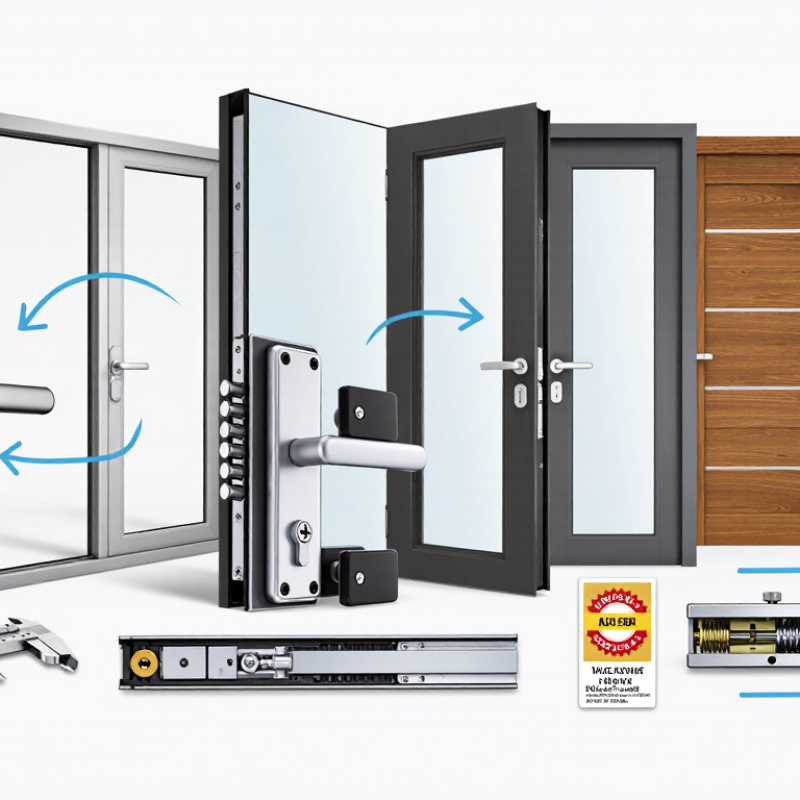
Choosing a sliding lock starts with understanding its type and security function. A surface-mounted latch is easy to install and suits light-duty windows or interior doors. A mortise lock sits inside the frame, giving better resistance to prying. Hook-bolt locks pull the door tightly into its keeper. Multi-point systems engage several points, reducing frame movement. For wide glass doors, an auxiliary security bar adds visible resistance, but it should not replace a properly fitted primary lock.
The FBI’s 2023 Crime Data Explorer recorded more than 847,000 reported burglary offenses in the United States. This figure does not prove that one lock prevents every intrusion. It does show why physical barriers still deserve careful attention. Look for anti-lift features, hardened keepers, protected cylinders, and limited frame gaps. ANSI/BHMA standards help evaluate lock durability and operating cycles, while independent laboratory testing can verify forced-entry performance. A lock may look strong and still fail because the screws enter weak aluminum.
Tips: Measure the track first. Check whether the door can be lifted from outside. Select fasteners that reach structural framing, not only thin trim. For rental properties, choose reversible hardware. For homes with children, consider an emergency-release function. No lock is perfect. Installation remains the uncomfortable weak point. Even experienced installers sometimes overlook misalignment, and a stiff lock can tempt users to leave it unsecured.
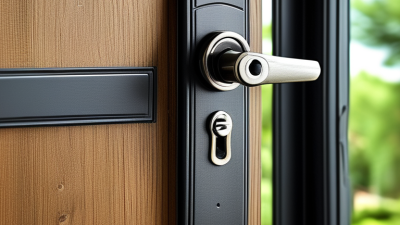
A sliding lock should match the surface, not just the product photo. Measure the door or panel thickness, sliding direction, frame depth, and available clearance. A lock that fits a wooden door may fail on a thin metal cabinet. Check the mounting area for cracks, uneven edges, or hidden wiring before drilling. Small details matter.
For windows, confirm the lock will not block normal ventilation or emergency opening. Select a compact design for narrow frames, then test it with the window fully closed. Cabinet doors usually need lighter hardware, especially on particleboard. Tight screws can strip weak material. I learned this after overtightening one and damaging the panel. That mistake was avoidable.
Gates require a stronger assessment. Measure the gap between moving and fixed sections, and inspect hinge sag before choosing a sliding mechanism. Outdoor locks need corrosion-resistant materials and protected moving parts. Dirt can collect inside surprisingly fast. For heavy gates, check the lock’s load rating and mounting strength, rather than trusting appearance. Installation should also follow applicable building, fire-safety, and access requirements. A simple fit test helps: close the surface slowly, engage the lock, and pull gently from several angles. It may feel excessive, but alignment often changes after installation.
Material matters. Stainless steel usually handles moisture better than untreated steel, especially near balconies or coastal windows. Zinc alloy can resist corrosion, but cheaper grades may crack under repeated impact. Aluminum is light and clean-looking, yet it generally offers less strength. Check the bolt thickness, mounting screws, and strike plate, not only the label.
Durability should be measurable. ANSI/BHMA A156.14 provides performance guidance for sliding and folding door hardware, including operating cycles and structural tests. ASTM B117 salt-spray testing can reveal corrosion resistance, although it does not perfectly reproduce every home environment. The FBI’s 2023 Crime Data Explorer reported a 7.6% decline in burglary offenses. That change does not make weak hardware acceptable. Crime patterns shift, while a loose lock remains a daily weakness.
Tamper resistance depends on design details. Choose concealed fasteners, a protected cylinder, and a bolt that fully enters the frame. A lock that only blocks the handle may fail when the door flexes. Test it with the door closed: there should be minimal movement, no scraping, and a clear locking sound. Short screws are a common oversight. So is poor alignment. I would not rely on marketing claims alone; request cycle-test results, corrosion data, and the installation guide. Even strong hardware can perform badly when fitted into soft, damaged framing.
How to Choose the Best Sliding Lock in 2026?
A sliding lock should match the door, frame, and daily traffic. Start by checking the material and thickness of both surfaces. Surface-mounted locks are easier to fit and replace. Mortise locks look cleaner, but they require accurate cutting and stronger installation skills. Drill-free adhesive models may suit light interior use, yet heat, dust, and humidity can weaken the bond. Test the lock with the door fully closed. Small alignment errors can create serious pressure on the latch.
Maintenance is simple, but often ignored. Clean the track and lock body with a dry cloth each month. Remove grit from the latch opening. Check screws after the first week, then every few months. A loose screw can reduce resistance without obvious warning. Use only a lubricant approved for the lock material. Too much oil can collect dust and make the mechanism stick. I would also inspect rust, cracked plastic, and uneven movement before trusting the lock overnight.
Safety features deserve careful attention. Look for anti-lift protection, tamper-resistant fasteners, and a clear locked indicator. An emergency release may matter in homes with children, older adults, or limited mobility. The lock should support the main security system, not replace it. Test it under normal pressure, then gently pull the door from several angles. No checklist is perfect. A qualified installer can spot weak framing, poor alignment, or an unsuitable mounting method before these problems become expensive.
Comparison of common sliding-door lock configurations using typical field characteristics. Confirm door construction, dimensions, fire requirements, accessibility rules, and local building codes before installation.
| Lock Configuration | Typical Door Compatibility | Installation Method | Typical Installation Time | Maintenance Frequency | Important Safety Features | Security Level | Best Use Case |
|---|---|---|---|---|---|---|---|
| Surface-Mounted Sliding Bolt | Wood, aluminum, or steel sliding doors with a solid mounting surface | Fastened to the door face and jamb with screws; normally requires only pilot holes | Approximately 15–30 minutes | Inspect screws and alignment every 6–12 months; lubricate the bolt lightly when needed | Hardened bolt, tamper-resistant screws, anti-lift door protection, and a positive closed position | Basic to Moderate | Utility rooms, gates, sheds, and low-to-medium risk interior doors |
| Mortise Sliding Hook Lock | Framed sliding doors with sufficient stile depth for an internal lock case | Requires routing or chiseling a pocket into the door stile and fitting a matching strike | Approximately 45–120 minutes | Check strike alignment every 6–12 months; clean the mechanism and use a manufacturer-approved dry lubricant | Hook engagement, concealed fasteners, anti-lift compatibility, and resistance to forced prying | High | Residential and commercial sliding doors requiring stronger resistance to forced entry |
| Auxiliary Security Pin Lock | Sliding doors with a suitable frame gap and an accessible fixed panel or jamb | Drill-aligned holes through the door or frame; some models use a removable locking pin | Approximately 15–40 minutes | Check hole alignment and pin condition every 6 months; remove debris from the bore | Visible locked/unlocked position, captive pin design, anti-drill collar, and anti-lift support | Moderate | Secondary protection for patio doors and doors that already have a primary lock |
| Foot-Operated Sliding Door Bolt | Heavy interior or commercial sliding doors with a sturdy floor or threshold | Mounted low on the door and secured into the floor or threshold; accurate height is essential | Approximately 30–60 minutes | Inspect the floor socket monthly in high-traffic areas; remove dirt and verify smooth engagement | Positive mechanical engagement, protected release control, rounded edges, and trip-hazard reduction | Moderate | Interior privacy, storage, and service-area doors where hands-free operation is useful |
| Keyed Sliding-Door Mortise Lock | Residential or commercial sliding doors with a compatible mortise cavity and cylinder | Requires precise mortising, strike installation, cylinder fitting, and final door adjustment | Approximately 60–150 minutes | Inspect the cylinder and strike annually; use lock-specific lubricant and avoid forcing a misaligned key | Controlled key operation, anti-pick cylinder features, hook engagement, anti-lift protection, and protected screws | High | Main entry doors where keyed access and stronger physical security are required |
| Electronic Sliding Lock with Mechanical Override | Compatible aluminum, steel, or reinforced framed doors with available power and controller space | Mechanical installation plus wiring or battery fitting, access-control setup, and emergency-release testing | Approximately 1.5–4 hours | Test batteries or power backup monthly; inspect wiring and test the mechanical override at least quarterly | Automatic relocking, audit events, low-battery warning, fail-safe or fail-secure selection, and emergency override | Moderate to High | Offices, managed buildings, and sites requiring scheduled or recorded access |
| Heavy-Duty Gate Sliding Lock | Steel or reinforced exterior gates exposed to weather and repeated operation | Welded or bolted installation with a reinforced receiver; gate alignment must be checked first | Approximately 1–3 hours | Inspect monthly in outdoor locations; remove rust, drain water, and lubricate moving parts as specified | Corrosion-resistant body, deep receiver engagement, anti-tamper hardware, anti-lift control, and guarded release | High | Driveway gates, perimeter gates, service yards, and other exterior access points |
Selection priorities: Choose a mortise or heavy-duty configuration for higher resistance to forced entry, a surface-mounted or pin lock for simpler installation, and an electronic configuration when access records or scheduled entry are required. Always verify that the door can still be opened quickly from the required side during an emergency.
How to Choose the Best Sliding Lock in 2026?
Select a sliding lock according to your budget, door type, and daily routine. A balcony door needs different protection from a lightweight cabinet. Measure the track width and frame depth before shopping. A lock that feels strong may still fail if it fits poorly. Check the manufacturer’s load rating, screw quality, and corrosion resistance. For humid rooms, stainless steel or treated metal usually lasts longer. Plastic parts can work, but repeated force may weaken them.
Budget choices should not mean careless choices. Basic surface locks suit interior doors and low-risk storage areas. Mid-range models often provide better adjustment, thicker bodies, and stronger fasteners. Higher-priced locks may include keyed access, reinforced housings, or tamper-resistant screws. Choose useful features, not impressive packaging. A keyless option sounds convenient, yet lost batteries or forgotten codes can create frustration.
Test the lock after installation. Slide the door several times and check for rubbing, looseness, or frame movement. Keep the latch aligned. This small detail matters. Use screws that match the frame material, and avoid overtightening thin panels. For exterior doors, inspect the lock after heavy rain and seasonal movement. I would not trust any lock based only on appearance. Even a well-rated product can perform poorly on a warped frame. Recheck it every few months, especially in busy homes or rental spaces.
Compare common sliding-lock solutions by typical retail price, security level, and best use case. Prices are indicative USD ranges for standard residential products and may vary by material, installation requirements, and local market.