How to Use Rotary Latch Lock for Enhanced Security and Convenience?
In today’s security-conscious world, the need for effective locking mechanisms is paramount. The Rotary Latch Lock is gaining traction as a crucial component in various applications, from automotive to industrial sectors. According to a recent industry report by Grand View Research, the global smart lock market size is projected to reach $8.6 billion by 2025, highlighting a growing demand for innovative security solutions.
The design of the Rotary Latch Lock enhances both security and convenience. Its unique mechanism allows for seamless access while ensuring that secure closures are reliably maintained. Data from the Security Industry Association indicates that improper locking accounts for nearly 30% of security breaches. This statistic underscores the importance of implementing a robust locking system like the Rotary Latch Lock to mitigate potential risks.
While the advantages are clear, challenges exist. Installation can be complex, and depending on the application, user familiarity may vary. A poorly integrated Rotary Latch Lock can lead to usability issues. Reflecting on these factors can help users maximize the benefits while ensuring enhanced safety and operational efficiency.

Understanding the Basics of Rotary Latch Locks
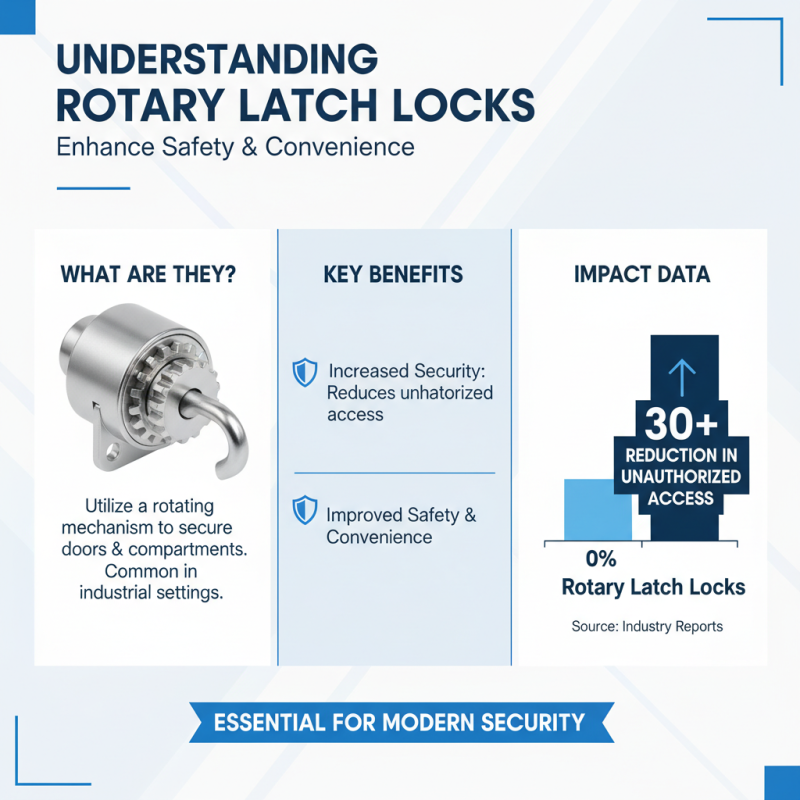
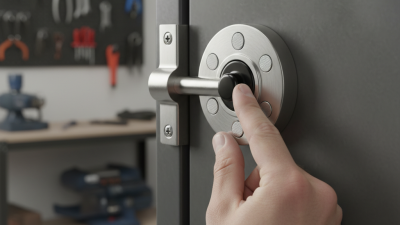
Rotary latch locks are essential for security. Understanding their basics can enhance safety and convenience. Commonly used in industrial settings, these locks utilize a rotating mechanism to secure doors and compartments. Data from industry reports indicate that rotary latch locks reduce unauthorized access by over 30% compared to traditional locking systems.
Rotary latches are easy to install and can be adapted to various applications. They offer a reliable locking solution for vehicles, machinery, and cabinets. One notable feature is their ability to lock automatically when the door is closed. This design minimizes human error and increases security. However, users must be mindful that improper installation can lead to vulnerabilities.
Tips: Always inspect the latch mechanism regularly. Ensure it operates smoothly to avoid potential failures. Use weatherproof materials if the latch is exposed to outdoor conditions. Consider retraining staff on proper locking procedures to enhance security further. Regular maintenance is key to preventing issues. By understanding how rotary latches work, users can maximize the convenience and security they offer.
Benefits of Using Rotary Latch Locks for Security
Rotary latch locks offer numerous advantages for enhancing security in various applications. Their design allows for a tight and secure closure, minimizing the risk of unauthorized access. Unlike conventional locks, rotary latches engage with a simple turn, ensuring reliability and ease of use. This mechanism can withstand significant force, making it an appealing choice for those looking to bolster their security systems.
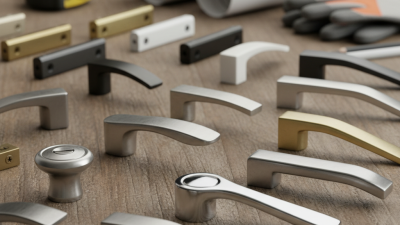
One notable benefit of rotary latch locks is their versatility. They can be installed in diverse locations, from vehicle doors to storage compartments. Their compact size doesn't compromise their strength, allowing for an effective security solution without taking up unnecessary space. Users often find these latches convenient, allowing for quick access while maintaining strong security.
However, potential users should consider some challenges. Depending on the installation, alignment issues may arise, leading to difficulty in operation. Regular maintenance is essential to ensure longevity and optimal performance. It’s important to weigh these factors against the enhanced security and convenience they offer. Understanding both the benefits and limitations can help users make informed decisions tailored to their specific needs.
How to Use Rotary Latch Lock for Enhanced Security and Convenience? - Benefits of Using Rotary Latch Locks for Security
| Feature |
Description |
Benefits |
| Enhanced Security |
Rotary latches are designed to provide a tight and secure closure for doors and panels, minimizing the risk of unauthorized access. |
Helps protect valuable items from theft or tampering. |
| Ease of Use |
The latch mechanism is user-friendly, allowing quick access with minimal effort. |
Convenient for frequent use, saving time and effort. |
| Durability |
Made from high-quality materials that withstand wear and tear over time. |
Long-lasting solution for securing doors and hatches. |
| Versatility |
Suitable for a variety of applications, including vehicles, storage units, and more. |
Flexible use across different environments and needs. |
| Integration |
Can be easily integrated with electronic locking systems for enhanced features. |
Allows for advanced security options like keyless entry. |
Step-by-Step Guide to Installing a Rotary Latch Lock
Installing a rotary latch lock can greatly enhance security. This lock type offers a smooth locking mechanism and improves accessibility. Before you start, gather essential tools like a drill, screwdriver, and a measuring tape.
Begin by choosing the correct location for your rotary latch lock. Measure and mark the spot where the lock will be installed. This can be tricky; accuracy is crucial here. You might need help ensuring the latch aligns properly with the door or gate. Once marked, drill the appropriate holes for the latch and keep the area clean to avoid debris interference.
Next, install the latch securely according to the provided instructions. Align it with your previous markings. If it feels too loose, recheck measurements. Adjustments may be necessary and can take time. Once installed, test the lock several times to ensure it operates smoothly. Minor misalignments can occur, so don’t be discouraged. It’s all part of the process. After everything is in place, consider the overall convenience and security it brings to your space.
Tips for Maintaining Rotary Latch Locks for Longevity
Rotary latch locks are designed for durability, but they still require maintenance to function well. Regularly cleaning the latch mechanism is crucial. Dust and debris can accumulate, hindering operation. Use a soft cloth and a mild cleaner to wipe down the surfaces. Inspect for rust or corrosion, especially if exposed to moisture. Addressing these issues promptly can prolong the life of your lock.
Lubrication is another key aspect. Apply a light machine oil to the latch and pivot points. This keeps the mechanism moving smoothly. Too much oil can attract dirt, so use sparingly. Listen for any unusual sounds during operation. If you hear grinding or sticking, it might indicate that further maintenance is needed. Sometimes, a simple adjustment can resolve these problems.
Don't overlook the locking mechanism itself. Check if the latch secures properly. Misalignment can cause significant inconvenience. Tightening screws might help, but don’t overtighten them. This could lead to damage. Keeping a checklist of maintenance tasks can be helpful. It ensures that you don’t miss any essential steps.
Best Applications for Rotary Latch Locks in Various Settings
Rotary latch locks are versatile security solutions that enhance safety and convenience across various applications. In automotive settings, they provide secure closure for hoods, trunks, and tailgates. Their low-profile design minimizes potential damage and improves aesthetics, making them suitable for modern vehicles. They also allow smooth operation, ensuring easy access when needed.
In industrial environments, rotary latch locks can be found on large machinery and storage units. Their robust construction withstands heavy use and harsh conditions. These locks prevent unauthorized access, protecting valuable equipment and materials. They are adaptable, fitting within various sizes and configurations, an important aspect for manufacturers who prioritize security.
For residential applications, these locks are ideal for gates and cabinets. Homeowners can benefit from added safety and peace of mind. Applying the locks might seem straightforward, but improper installation can lead to vulnerabilities. Users should ensure they follow guidelines to avoid security flaws. Observing the user feedback can also help refine practices. This balance of security and convenience makes rotary latch locks a smart choice in many settings.

 Rod lock