 Rod lock
Leave Your Message
Choosing the best Cam Lock in 2026 requires more than comparing prices or key shapes. A cabinet may look simple, yet its lock must protect equipment, support daily access, and survive its installation environment. Market research reflects this changing expectation. Grand View Research’s 2024 Smart Locks Market report highlights growing demand for connected security and stronger access management. However, many industrial cabinets still depend on mechanical Cam Lock designs because they offer simple operation, low maintenance, and dependable service without batteries.
The right choice begins with the application. Measure the panel thickness, cam rotation, locking depth, and available clearance behind the door. A lock that fits the hole may still fail if the cam misses the frame. Small details matter. The material also deserves attention. Zinc alloy suits many indoor enclosures, while stainless steel is more appropriate for moisture, cleaning chemicals, or coastal exposure. For electrical cabinets, NEMA enclosure guidance and UL-related product requirements should influence the selection, especially where dust, water, or operator safety creates additional risks.
Security needs careful judgment. A quarter-turn latch may be enough for routine equipment access, but a keyed-alike system can simplify maintenance across multiple cabinets. Tubular keys, restricted keyways, or anti-drill features may add protection, although they can increase replacement cost. MarketsandMarkets’ 2024 Electronic Access Control Market analysis shows broader movement toward managed and integrated security, but that does not make every electronic option practical. No single lock wins every application. A careful buyer should compare failure modes, service access, corrosion resistance, and total ownership cost. Even a good checklist can miss one issue: the person who must use the lock every day.
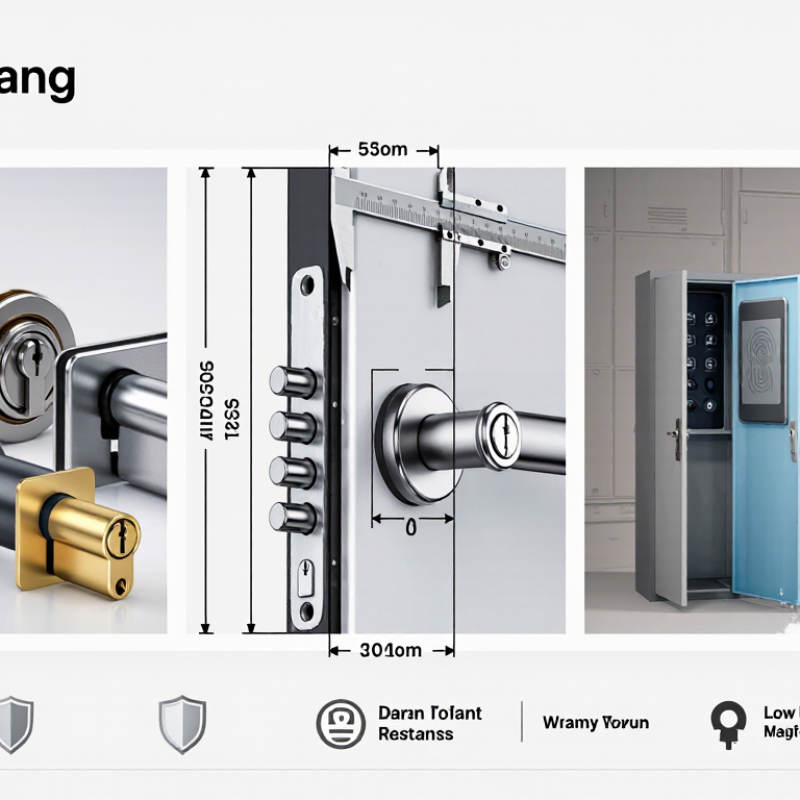
How to Choose the Best Cam Lock for Buyers in 2026?
A cam lock uses a rotating metal cam to secure a door, panel, drawer, or enclosure. Its simple movement hides several important design choices. Small detail, big effect. Key-operated locks suit offices, cabinets, and storage units requiring controlled access. Combination cam locks remove the need for keys, but users may forget or share codes. Quarter-turn locks support quick access in equipment panels and service enclosures. Select the type according to access frequency, security expectations, and installation space.
A reliable cam lock includes a housing, cylinder, cam, retaining nut, washer, and fastening hardware. The housing sits through the mounting hole. The cylinder receives the key or code mechanism. The cam moves behind the frame when turned, creating the actual hold. Cam shape and length matter greatly. A straight cam works for aligned doors, while offset cams help clear frames or recessed panels. Fit matters most. Measure twice, especially the panel thickness and back clearance.
Common applications include tool cabinets, parcel compartments, vending equipment, server enclosures, and industrial control panels. Stainless steel can resist moisture, while zinc-based alloys may reduce cost and weight. Check the lock’s operating angle, load resistance, corrosion performance, and key management method. A lock can look strong yet fail because the cam barely overlaps the frame. That mistake is easy to miss during purchasing. I would also test several samples before a large order, because drawings do not always reveal awkward hand clearance or misalignment.
| Cam Lock Type | How It Works | Typical Security Level | Common Materials | Typical Applications | Key Selection Factors |
|---|---|---|---|---|---|
| Quarter-Turn Cam Lock | A key rotates the cam approximately 90 degrees to lock or release a panel. | Basic to medium; suitable for controlled-access enclosures. | Zinc alloy, stainless steel, carbon steel, and brass. | Electrical cabinets, control panels, machine guards, and metal enclosures. | Cam length, rotation direction, panel thickness, key removal position, and corrosion exposure. |
| Tubular Cam Lock | Uses a tubular key with pins arranged around a circular keyway. | Medium to high for general cabinet and equipment use. | Zinc alloy, brass, stainless steel, and hardened steel components. | Vending equipment, coin-operated machines, cabinets, and access panels. | Key control, resistance to picking, mounting hole size, and required weather protection. |
| Wafer-Tumbler Cam Lock | Flat wafers align with the key profile and permit the plug to rotate. | Basic to medium; practical for low- to moderate-risk access. | Brass, zinc alloy, steel, and plated metal parts. | Office furniture, mailboxes, lockers, drawers, and indoor cabinets. | Keyed-alike requirements, operating environment, lock body length, and cost target. |
| Radial-Pin Cam Lock | Pins are positioned radially around the plug and must match the key pattern. | Medium to high, depending on pin design and key control. | Brass, stainless steel, hardened steel, and zinc alloy housings. | Public-use equipment, industrial cabinets, utility boxes, and commercial enclosures. | Security requirements, restricted key duplication, environmental sealing, and service life. |
| Combination Cam Lock | A numerical code operates the internal mechanism without a separate key. | Basic to medium; convenient where shared access is required. | Zinc alloy, stainless steel, brass, and engineered plastic components. | Lockers, cabinets, toolboxes, furniture, and shared storage units. | Code-reset capability, number of digits, forgotten-code procedures, and tamper resistance. |
| Electronic or RFID Cam Lock | An electronic credential releases a motorized or solenoid-operated cam mechanism. | Medium to high, depending on authentication, audit features, and enclosure design. | Stainless steel, zinc alloy, engineering plastics, and electronic components. | Smart lockers, data cabinets, access-controlled storage, and fleet equipment. | Power source, emergency override, credential compatibility, battery life, and operating temperature. |
| Water-Resistant Cam Lock | Uses seals, protective caps, or corrosion-resistant construction to limit water and dust entry. | Varies by cylinder design; environmental protection does not automatically equal high security. | Stainless steel, plated brass, marine-grade alloys, and elastomer seals. | Outdoor cabinets, utility enclosures, trailers, gates, and industrial equipment. | Corrosion resistance, seal condition, drainage, temperature range, and verified ingress rating. |
| Component | Function | Important Specification | Buyer Checklist |
|---|---|---|---|
| Lock Body and Cylinder | Contains the keyway and internal locking mechanism. | Body length, diameter, material, key system, and weather protection. | Confirm the cylinder fits the panel and matches the required security level. |
| Cam | Moves into or away from the keeper, latch, or frame. | Length, offset, thickness, shape, and rotation direction. | Check that the cam reaches the frame and clears internal components. |
| Mounting Nut or Clip | Secures the lock body to the door or panel. | Thread size, panel thickness range, and installation method. | Verify thread compatibility and allow sufficient installation clearance. |
| Key or Credential | Operates the lock or provides electronic authorization. | Key profile, duplication control, credential format, and quantity required. | Plan spare keys, replacement access, and access permissions. |
| Seal, Washer, or Dust Cap | Helps reduce water, dust, and debris exposure. | Seal material, temperature range, and verified ingress protection. | Use corrosion-resistant materials in outdoor or high-humidity environments. |
| Buyer Requirement | Recommended Direction | Why It Matters |
|---|---|---|
| Fast installation and simple operation | Quarter-turn cam lock | A short rotation provides quick access to panels and enclosures. |
| Higher resistance to unauthorized key manipulation | Tubular, radial-pin, or controlled-key cam lock | More complex key and pin arrangements can improve resistance compared with basic mechanisms. |
| Shared access without carrying keys | Combination or electronic cam lock | Codes or credentials can simplify access management. |
| Outdoor or humid installation | Stainless steel or corrosion-resistant lock with suitable sealing | Material selection and sealing help reduce corrosion and operating failures. |
| Frequent maintenance access | Quarter-turn lock with removable or captive key options | The correct key-retention arrangement can reduce lost-key risk and improve service efficiency. |