2026 Best Hinge Lock Types for Global Buyers
Choosing the right Hinge Lock in 2026 requires more than comparing prices or counting supplier reviews. Global buyers must examine security needs, door weight, opening frequency, installation conditions, and long-term maintenance. A compact stainless steel lock may suit a clean interior cabinet, while a reinforced model may better protect a warehouse gate exposed to rain, dust, and repeated impact.
This guide explores the most practical Hinge Lock types for international purchasing. It considers concealed, surface-mounted, adjustable, heavy-duty, and smart-compatible designs. Each option has different strengths. Some offer quick installation, while others provide stronger resistance and better alignment control. Material quality matters too. Stainless steel, hardened steel, and coated alloys can perform differently in coastal or humid environments. Small details matter.
Real buying decisions are rarely perfect.
In practice, product descriptions may omit cycle testing, screw quality, or hinge compatibility. Buyers should request technical drawings, load ratings, sample units, and clear installation instructions before placing large orders. Supplier experience also deserves attention. A reliable manufacturer should explain tolerances, inspection procedures, packaging protection, and after-sales support without making vague promises. Independent testing and documented quality systems can strengthen confidence, but they do not replace practical evaluation. A lock that performs well in a showroom may loosen after months of vibration. This guide therefore balances manufacturer claims with field-oriented questions and common installation lessons. It aims to help distributors, contractors, furniture producers, and industrial purchasers compare Hinge Lock solutions with greater confidence. Your final choice should match the actual door, environment, users, and maintenance plan.
What Is a Hinge Lock and How Does It Work?
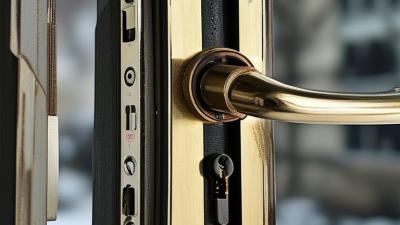
A hinge lock is a security device that restricts a door’s hinge movement or covers access to the hinge area. It usually works with a locking pin, sliding bar, or reinforced cover. When engaged, the mechanism prevents the door from swinging freely. Some designs also hide hinge screws, making forced removal more difficult.
Common types include external hinge locks, concealed hinge locks, adjustable models, and heavy-duty units for larger doors. The right choice depends on door thickness, hinge spacing, installation clearance, and expected use. Stainless steel suits humid or coastal environments, while coated steel may provide practical protection in ordinary indoor areas. Buyers should check load ratings and corrosion test information instead of trusting appearance alone. A lock can look strong and still fit poorly.
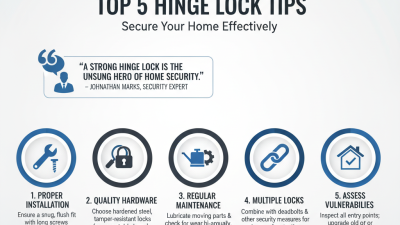
Tips: Measure the hinge gap twice before ordering. Confirm the pin diameter, mounting direction, and available clearance. Test the lock with the door fully open and closed. In real installations, small measurement errors often cause rubbing or incomplete locking. Temperature changes can also affect alignment. No hinge lock fits every door. That is easy to forget. Select products with clear technical drawings, traceable material details, and documented quality checks. Local installation requirements may differ, so professional verification remains worthwhile for commercial or high-risk applications.
Main Hinge Lock Types and Their Structural Differences
Main Hinge Lock Types and Their Structural Differences
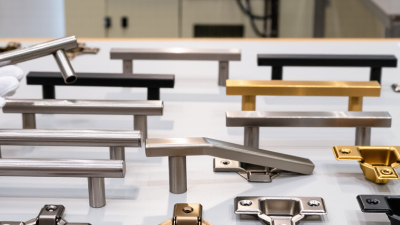
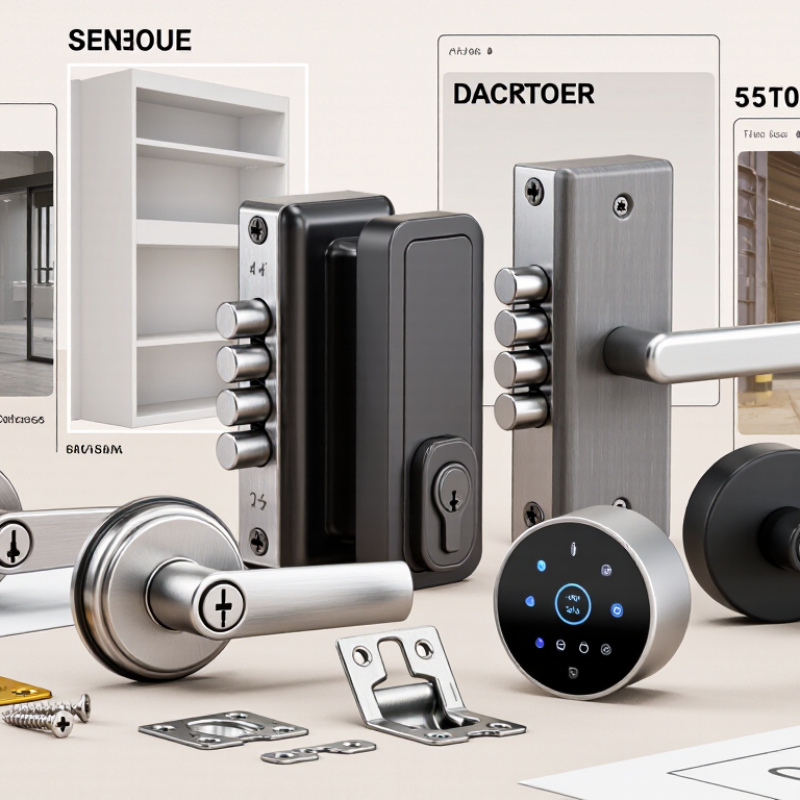
Hinge locks vary mainly by cylinder position, locking movement, and installation depth. Concealed hinge locks place the mechanism inside the hinge body. They leave a clean exterior and resist casual tampering. However, servicing them can require door removal. Surface-mounted hinge locks sit on the frame or hinge plate. Installation is faster, but exposed fasteners may reduce resistance if the mounting surface is weak.
Pin-style hinge locks use a sliding steel pin through aligned hinge leaves. They are simple, visual, and suitable for cabinets, gates, and light doors. Cam-type locks rotate a metal tongue behind a keeper. Their compact structure suits thin panels, although alignment is critical. Electronic hinge locks add a motor, sensor, or credential reader. They support audit trails and remote administration, but depend on battery management and stable wiring.
The market is moving toward connected access hardware. MarketsandMarkets’ 2024 Access Control Market report projects growth from about USD 10.4 billion in 2023 to USD 15.2 billion by 2028. Grand View Research also reports strong expansion in smart-lock demand through this decade. These figures support electronic adoption, not automatic superiority. Mechanical designs still offer predictable operation in dusty warehouses and emergency-service areas.
Check the door material first. A strong lock on a weak frame is misleading. EN 12209 testing helps compare mechanical lock performance, while electrical versions need additional compatibility checks. I would not specify a hinge lock from appearance alone. Installation tolerance, cycle testing, corrosion exposure, and replacement access deserve equal weight. Some product data remains incomplete. That is worth questioning.
How to Choose the Right Hinge Lock for Each Application
2026 Best Hinge Lock Types for Global Buyers
How to Choose the Right Hinge Lock for Each Application
Choosing a hinge lock starts with the door, cabinet, or enclosure itself. For light cabinet doors, a compact concealed hinge lock keeps the exterior clean and limits accidental contact. Surface-mounted hinge locks suit workshops and utility cabinets because technicians can inspect and replace them quickly. For outdoor enclosures, choose corrosion-resistant materials, protected keyways, and drainage-friendly designs. Small details matter.
Electronic hinge locks are gaining attention as access-control systems expand. Fortune Business Insights estimated the global smart lock market at about USD 2.86 billion in 2024, with strong growth projected through 2032. This trend supports electronic options for offices, equipment rooms, and shared storage. However, a battery-powered lock may fail during poor maintenance. Mechanical backup access remains sensible.
For industrial doors, compare load capacity, hinge alignment, cycle testing, and resistance to vibration. Ask whether the lock works with the door’s existing clearances. A thick coating can prevent proper engagement. For fire-rated assemblies, confirm tested compatibility with the complete door system under applicable standards, such as EN 1634-1 or UL 10C. Do not rely on a lock’s appearance alone. I have seen specifications overlook installation tolerances. That mistake becomes expensive. Evaluate security level, climate exposure, service access, and replacement parts before approving a design.
2026 Best Hinge Lock Types for Global Buyers
How to Choose the Right Hinge Lock for Each Application
How to read this chart: The application-fit index uses a 1–5 comparative scale based on security resistance, serviceability, weather suitability, and compatibility with common door and gate applications. A higher score indicates broader suitability, not a certified load or security rating.
Selection guidance: Removable hinge pin locks are practical for residential and light commercial doors. Fixed-pin security hinges are better suited to outward-opening doors where hinge-pin removal is a concern. Security-screw hinge locks offer a balanced option for commercial access points, while concealed hinge locks are preferred when tamper resistance and clean appearance are priorities.
Global Buying Standards, Installation Needs, and Supplier Checks
2026 Best Hinge Lock Types for Global Buyers
Global buyers should match hinge lock types with door weight, opening frequency, and installation space. Concealed hinge locks suit clean architectural doors and reduce exposed attack points. Surface-mounted hinge locks are easier to replace, especially where welding or structural changes are unsuitable. Adjustable models help correct minor alignment problems after installation. Spring-loaded options can support repeated closing, but their tension needs careful testing.
Buying standards should cover material grade, load capacity, corrosion resistance, cycle testing, and dimensional tolerance. Request inspection reports, batch records, and clear drawings before placing a large order.
Measurements should include hinge thickness, screw spacing, door gap, and frame depth.
Measure twice. Fit matters.
Installation conditions vary across regions and building methods. A lock designed for a steel frame may fail on a lightweight composite door. Ask suppliers for installation instructions, compatible fasteners, and replacement-part availability. Check whether samples match production units.
I once treated a polished sample as proof of quality; that was a weak assumption. Independent testing is more reliable than attractive photography.
Confirm packaging strength, labeling accuracy, lead times, and communication during technical changes. A supplier should answer specific questions without hiding behind vague certificates. Small errors grow.

 Rod lock