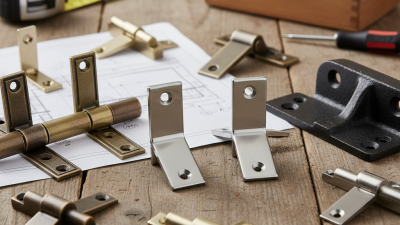
Top Types of Hinge Handles for Your Home Improvement Projects?
In any home improvement project, selecting the right Hinge Handle is crucial. According to industry expert Sarah Blake, “A well-chosen hinge can transform both style and functionality.” With countless options available, homeowners often struggle to make the best choice.
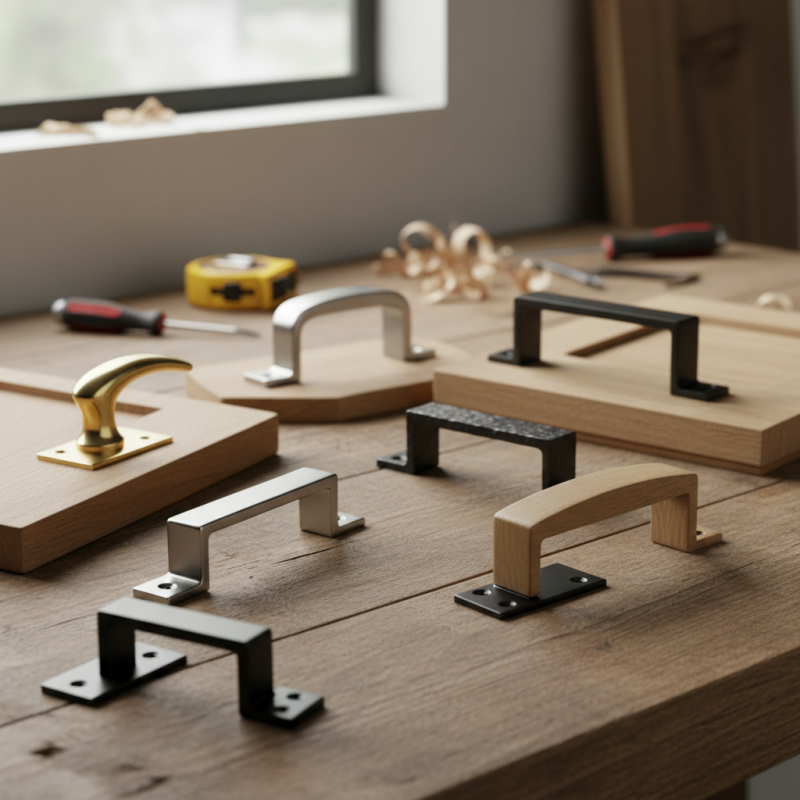
Hinge Handles come in various materials and designs. For example, metal and wood options can evoke different aesthetics. However, homeowners might overlook the importance of durability and ease of installation. Many pick handles based solely on looks, forgetting practical aspects. A beautiful design is meaningless if it cannot withstand daily use.
Choosing the right Hinge Handle requires thoughtful reflection on your home’s unique style. Have you considered how your choice impacts overall functionality? This decision is not just about appearance. It's about enhancing the space where you live every day.
Top Types of Hinge Handles: An Overview of Available Materials
When it comes to hinge handles, materials make a significant difference. You can find options like stainless steel, brass, and plastic. Each material offers unique aesthetic and functional qualities. Stainless steel is durable and works well in modern designs. Brass, on the other hand, adds a vintage touch. Plastic handles are often lightweight and budget-friendly.
Choosing the right material matters. For outdoor projects, stainless steel is preferable. It withstands the elements better than other materials. Brass may tarnish if exposed to moisture. Consider your environment before making a choice. This ensures longevity and looks.
Tip: Always check the weight limit for your chosen handle material. Some are not suited for heavy doors. Additionally, mix materials in your projects to create an eclectic look. Combining textures can surprise you with fresh results. Don't hesitate to experiment and learn. Sometimes, the unplanned designs turn out best!
Understanding Hinge Handle Designs: Styles and Functionalities
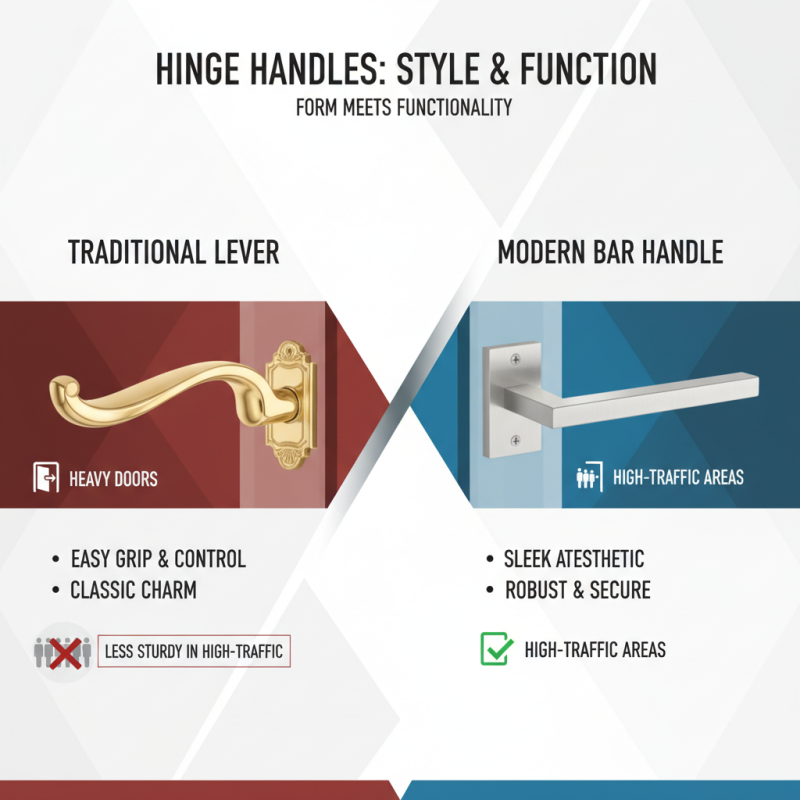
When considering hinge handles, style and functionality go hand in hand. Each design offers unique features that cater to different needs. For instance, a traditional lever-style handle provides easy grip and control, making it perfect for heavy doors. The sleek look adds charm, yet sometimes lacks sturdiness in high-traffic areas.
On the other hand, a D-shaped handle can be both practical and stylish. Its rounded edges ensure comfort while maintaining a modern aesthetic. However, the minimalistic design may not suit all decor styles. Hinges should complement the purpose they serve.
Consider the needs of each space. For example, an exterior door might benefit from robust handles that withstand the weather. In contrast, an interior closet door may require a simple yet elegant design. Choosing the right handle can sometimes feel overwhelming. It's essential to reflect on how each design fits within your home's overall style.
Comparative Analysis: Standard vs. Specialty Hinge Handles
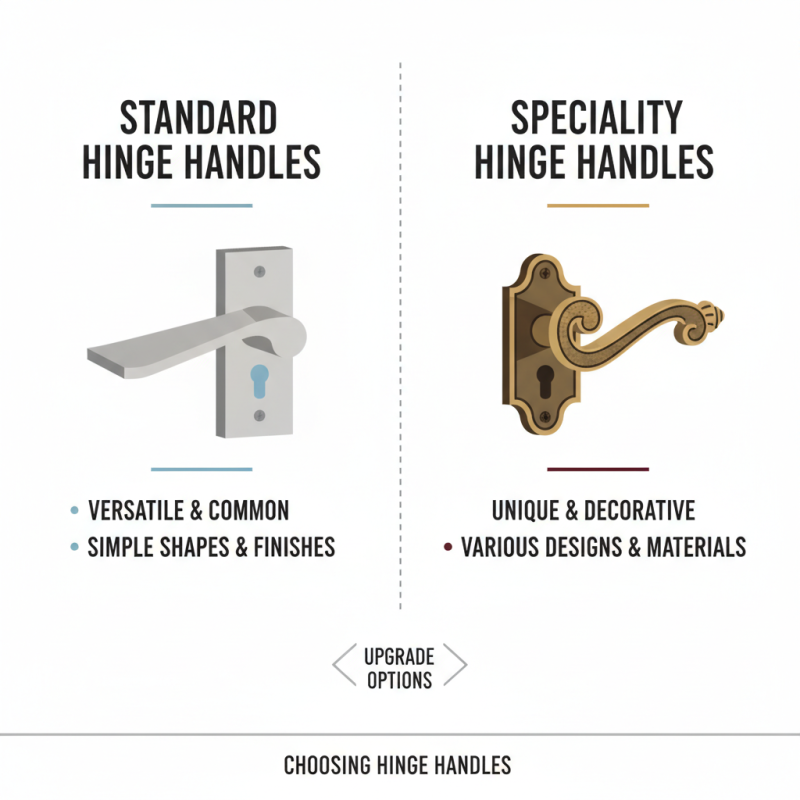
When choosing hinge handles for home improvement projects, consider the differences between standard and specialty types. Standard hinge handles are commonly found in many homes. They are versatile and fit various door designs. They usually come in simple shapes and finishes, making them easy to match with existing decor. However, their simplicity can sometimes appear bland. They may lack the personality that makes a space unique.
On the other hand, specialty hinge handles introduce distinct styles and functionalities. They can enhance the aesthetic of a room, showcasing creativity. These handles often come in unique materials and designs. For instance, vintage styles can evoke nostalgia, while modern designs may emphasize minimalism. However, they can also be more expensive. Additionally, not all specialty handles may fit standard hinges. This can lead to frustration during installation. It's crucial to measure carefully before making a decision. Each type has its strengths and weaknesses. By weighing these aspects, you can choose the best fit for your home project.
Installation Techniques: Best Practices for Hinge Handle Replacement
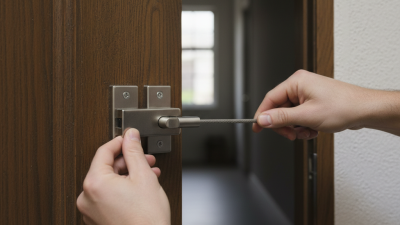
When replacing hinge handles, proper installation is crucial. According to industry reports, nearly 30% of homeowners face issues due to improper installation techniques. These problems can lead to handle malfunction and safety concerns. Start by gathering the right tools: a screwdriver, a drill, and measuring tape. Measuring accurately ensures correct alignment, which is often overlooked.
Adjustment is key. The alignment should be exact. Many installers forget this step, leading to uneven pressures on the hinges. A misaligned handle might seem minor but can cause more extensive damage over time. In some cases, up to 15% of installations result in broken hinges, directly tied to poor adjustments.
Another common issue is not securing all screws tightly. This mistake could lead to wobbling. Surveys show that only 42% of DIYers check their work thoroughly. Ensuring that each screw is secure can extend the lifespan of your handles significantly. Take the time to double-check your work. It’s a small effort for a big difference.
Durability Metrics: Evaluating Hinge Handle Longevity and Performance
When selecting hinge handles for home projects, durability is key. It’s essential to consider materials.
Metal handles tend to last longer than plastic ones. Steel or brass can endure heavy use, while aluminum offers lightweight options.
Look for corrosion-resistant finishes. Rust can ruin a good hinge handle's lifespan.
Performance varies among handles. Some may feel sturdy but wear out quickly. Pay attention to the ease of operation. A handle should move smoothly.
If it feels stiff, it might not last through daily use. Check for warranties or guarantees, though they may not cover every scenario.
Installation also impacts longevity. Improper fitting can lead to early wear. Gaps or misalignment introduce stress.
It’s also essential to consider updates in design. Styles change, and what seems attractive may not be practical.
Look for a balance between aesthetics and functionality. Remember, a beautiful handle may disappoint if it breaks early.

 Rod lock