What is Hinge Lock and How Does It Work?
Hinge locks are gaining attention in security discussions. Experts recognize their role in increasing safety for both homes and businesses. Dr. Emily Carter, a security technology specialist, states, "A robust hinge lock can deter intruders effectively."
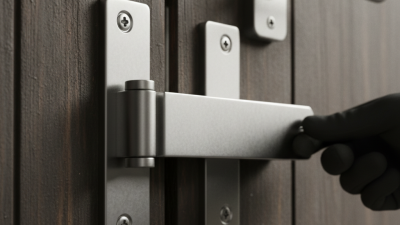
The mechanics of hinge locks are fascinating yet often overlooked. They function by securing doors at the hinges, making it difficult for unauthorized access. This design feature creates an extra layer of protection, which is essential in today's world. Many people underestimate the importance of a strong hinge lock, focusing instead on conventional locks.
Hinge locks can fail if not properly maintained. Regular inspections are necessary to ensure their effectiveness. In some instances, poor installation can render them useless. This highlights the need for expertise when choosing and installing hinge locks. It's crucial to recognize that not all hinge locks offer the same security levels, making informed choices vital.
What is Hinge Lock?
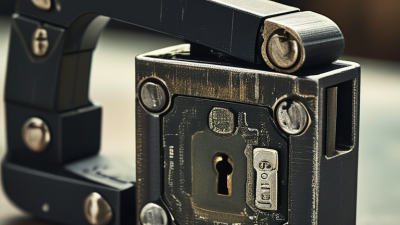
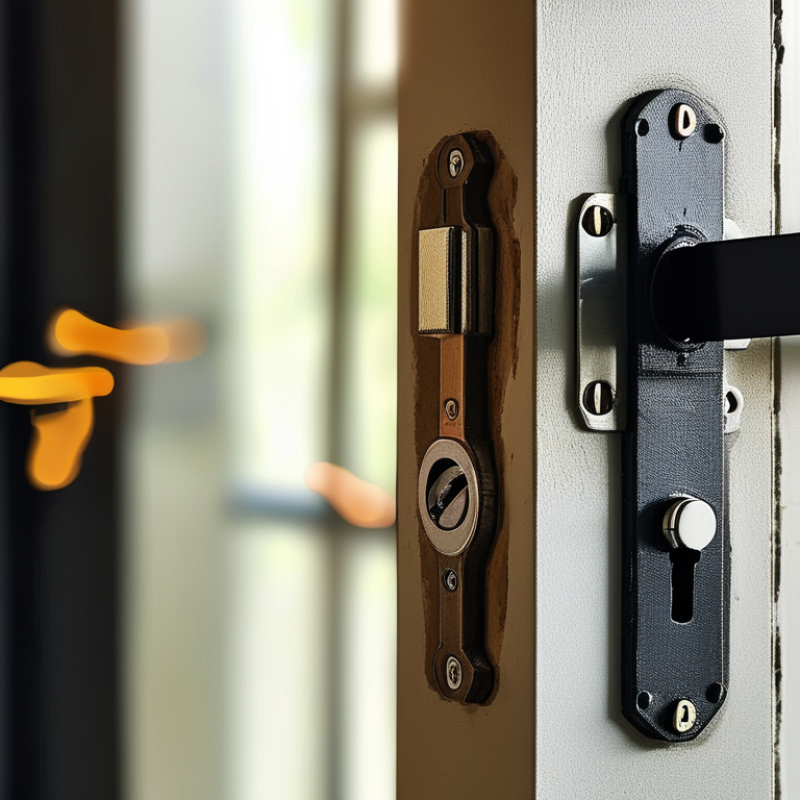
Hinge locks are essential components in many types of machinery and furniture. They serve to secure two pieces in a position or movement. When engaged, a hinge lock prevents unintentional shifting. This mechanism is vital for safety and functionality in everyday items, such as toolboxes and laptops.
The design of a hinge lock can vary. Some use a simple pin mechanism. Others may feature more complex systems that offer enhanced security. A well-constructed hinge lock ensures smooth operation. It also withstands wear and tear over time. Proper installation is key to maximizing its effectiveness. Users often overlook this detail, leading to potential failures.
While hinge locks are generally reliable, they can become loose over time. Regular maintenance helps identify wear. However, some users may neglect this task until issues arise. Understanding the mechanics behind hinge locks fosters appreciation for their role in daily life. Each time you open a door or a lid, remember the silent work of the hinge lock.
The Components of a Hinge Lock Mechanism
Hinge locks are essential components in various locking mechanisms, providing security and ease of use. Understanding their elements allows users to appreciate their functionality fully. The basic components of a hinge lock include the hinge itself, the locking pin, and the frame. Each part plays a critical role in the overall operation.
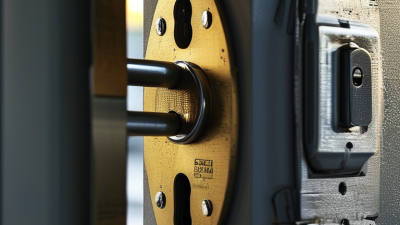
The hinge creates a pivot point, enabling the door or gate to swing open and closed. It is often made of durable materials to withstand frequent use. The locking pin, usually inserted into a hole, secures the door when closed. When the pin is in place, it prevents the door from being opened unintentionally. The frame supports both the hinge and the locking mechanism, ensuring stability and reliability.
While hinge locks are effective, they are not impervious to failure. Over time, wear and tear can cause issues. Regular maintenance is essential to keep the mechanism functioning smoothly. Users should occasionally check for alignment and rust. Ignoring these details may lead to malfunction, compromising security. As with any mechanism, a well-functioning hinge lock requires attention and care.
How Hinge Locks Function: Step-by-Step Process
Hinge locks are essential mechanisms that enhance security in doors and gates. Understanding how they function can help in selecting the right type for various applications. When you engage a hinge lock, a bolt slides into a corresponding strike plate. This secures the door or gate firmly in place.
Step-by-step, the process begins with the key or lever being turned. This action rotates a cam within the lock. The cam then pushes the locking bolt outward. Often, the design may appear simple, yet the mechanics are crucial. A small misalignment can prevent the lock from functioning correctly. Proper alignment is necessary for durability and effectiveness.
Sometimes, wear and tear can lead to complications. Regular maintenance is essential to ensure that hinge locks operate smoothly. Inspecting the hinges and lock mechanism periodically can prevent future issues. Awareness of these small details pays off in longevity and security. Understanding these intricate steps adds a layer of expertise in choosing the right locking system.
Applications of Hinge Locks in Various Industries
Hinge locks are vital components used across various industries. In manufacturing, for example, they secure access panels on machinery. This ensures safety and ease of maintenance. A well-designed hinge lock can prevent accidents, promoting a safer working environment.
In the construction industry, hinge locks are essential for doors and gates. They provide reliable security for buildings. However, not all hinge locks are created equal. Some may fail under heavy use or extreme weather. Regular inspections can mitigate risks. They help identify potential issues early on, enhancing durability.
The aerospace sector also utilizes hinge locks. They keep critical compartments secure during flights. The reliability of these locks is paramount. A malfunction could lead to serious safety concerns. Testing and certification processes are crucial to ensure performance. Each application shows the importance of hinge locks in everyday operations.
What is Hinge Lock and How Does It Work? - Applications of Hinge Locks in Various Industries
| Industry |
Application |
Type of Hinge Lock |
Material Used |
Key Features |
| Automotive |
Car Door Mechanism |
Piano Hinge Lock |
Steel |
Durability, Resistance to rust |
| Construction |
Gates and Fences |
Heavy-Duty Hinge Lock |
Aluminum |
Corrosion Resistance, High Load Capacity |
| Furniture |
Cabinet Doors |
Overlay Hinge Lock |
Brass |
Elegant Finish, Smooth Operation |
| Aerospace |
Cockpit Entrances |
Lockable Hinge Lock |
Titanium |
Lightweight, High Strength |
| Marine |
Boat Hatches |
Continuous Hinge Lock |
Stainless Steel |
Water Resistance, Longevity |
Advantages and Disadvantages of Using Hinge Locks
Hinge locks are becoming popular for various applications. They offer several advantages. These locks provide a secure closing mechanism for doors and gates. Their design allows for easy installation and operation, making them user-friendly. Additionally, hinge locks can withstand significant pressure, which enhances security. People appreciate their durability and reliability.
However, hinge locks also have drawbacks. Over time, wear and tear can affect their functionality. Regular maintenance is necessary to keep them in good condition. If a hinge lock malfunctions, it can lead to a security breach. Moreover, if not installed properly, they may not function as intended. Users must pay attention to the details of installation to avoid problems.
The choice to use hinge locks should be made carefully. Weighing the benefits against the potential issues is crucial. Understanding the specifics can help in making an informed decision. Overall, hinge locks serve their purpose but require consideration and diligence.
Hinge Lock Advantages and Disadvantages

 Rod lock