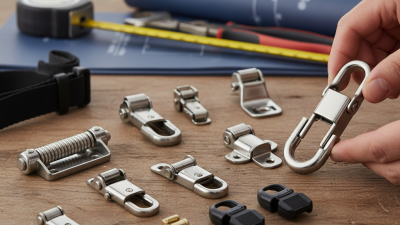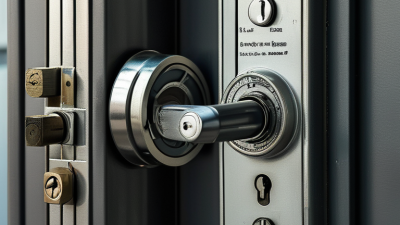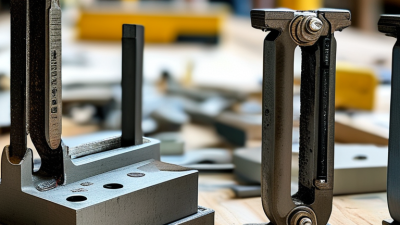
A Hinge Latch combines two simple functions: controlled movement and secure closure. It allows a panel, door, cabinet, or equipment cover to pivot while holding it firmly shut. When released, the latch disengages. When closed, its hook, cam, or catch resists unwanted movement. The mechanism may look small, but its reliability depends on alignment, material strength, fastener torque, and repeated operating cycles.
Industry data supports the importance of dependable closure hardware. Grand View Research’s 2024 Industrial Fasteners Market report describes rising demand for reliable fastening systems across transportation, machinery, construction, and industrial equipment. MarketsandMarkets also identifies safety, vibration resistance, and maintenance efficiency as important factors in industrial enclosure design. These findings help explain why engineers evaluate a Hinge Latch beyond its appearance. A steel latch may suit heavy machinery, while stainless steel better supports humid or corrosive environments. A compact spring latch may work for an access panel, but vibration can expose weaknesses in an unsuitable design.
The basic principle is straightforward. A hinge guides rotation, while the latch controls final closure. Yet real installations are less perfect. Misalignment, dirt, excessive force, or a weakened spring can reduce performance. That detail matters. ISO 12100 risk-assessment principles encourage designers to consider foreseeable misuse, access points, and mechanical hazards before selecting hardware. This guide explains the components, operating sequence, common materials, installation considerations, and practical limitations of a Hinge Latch. It also questions a common assumption: the strongest latch is not always the best choice. Fit, access, maintenance, and application conditions matter just as much.
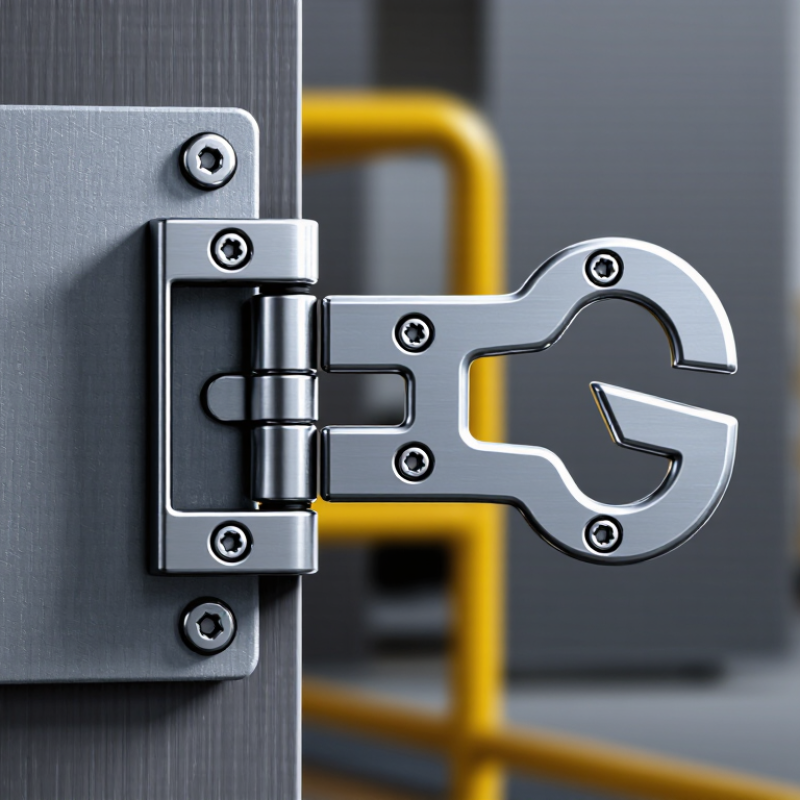
A hinge latch is a compact fitting that combines a hinge with a securing mechanism. Its basic purpose is simple: it lets a panel move while keeping it closed when needed. The hinge supports controlled rotation around a pin. The latch grips a keeper, bolt, or catch on the fixed frame.
Common uses include equipment covers, cabinets, access panels, and vehicle compartments. The design is simple. That simplicity matters. A 2024 industry market report estimates the global automotive door latch market reached approximately US$7.5 billion in 2023. This figure reflects broad demand for dependable closure systems, not guaranteed product quality.
During operation, the user pulls a handle or presses a release. The latch bolt withdraws from its keeper. The panel then swings on its hinge. When closed, a spring or cam returns the bolt into position. Correct alignment is essential.
The U.S. National Highway Traffic Safety Administration’s Federal Motor Vehicle Safety Standard 206 sets performance requirements for vehicle door locks and latches. Industrial installations may require additional load, corrosion, and cycle testing.
In practice, many failures begin with loose fasteners, frame distortion, or poor adjustment. A strong latch can still perform badly. Inspectors should check bolt engagement, hinge play, contact marks, and release force.
One detail is often missed: the hinge carries movement, while the latch carries retention. Treating them as one part can lead to weak specifications and unsafe assumptions.
What Is a Hinge Latch and How Does It Work?
A hinge latch combines two simple actions: controlled movement and secure holding. The hinge allows a panel, gate, or access door to swing. The latch keeps it closed after movement stops. In practical use, I look at alignment before judging the latch itself. A strong mechanism can still perform poorly when the panel sags. Small gaps matter.
The main components work as a linked system. Hinge leaves attach to the frame and moving panel. Their knuckles surround the hinge pin, creating a stable pivot. The latch bolt then slides into a keeper or strike plate. A handle, lever, or release tab retracts the bolt during opening. Some designs use a spring to return the bolt automatically. Each part carries a different load. Together, they control movement, position, and closure.
Installation details often decide long-term performance. The bolt should enter the keeper smoothly, without scraping its edges. I usually check this with slow, repeated movements. A slight click can confirm engagement, but sound alone proves little. Dust, loose screws, or a bent keeper may cause intermittent holding. That is an easy detail to miss. Regular inspection helps reveal wear around the pin, mounting holes, and contact surfaces. Still, no hinge latch is perfect. Heavy use may require adjustment sooner than expected.
A hinge latch combines a hinge mechanism with a spring-loaded latch. The hinge pin supports rotation, while the latch bolt moves into a keeper or strike to hold the door, panel, or enclosure closed.
How the components work together: Pulling the handle or actuator retracts the latch bolt against the spring force. The hinge pin then allows the door or panel to rotate. When the panel closes, the spring pushes the bolt into the keeper, creating the locked position.
A hinge latch combines a pivoting hinge with a closing mechanism. It keeps a panel aligned while allowing controlled movement. The operation begins when the panel swings toward its frame. The hinge guides this movement and supports the panel’s weight. As the panel nears the closed position, the latch bolt meets the strike plate. A spring or cam then moves the bolt into the receiver. You should hear a firm click. That sound is useful, but it is not proof of full engagement.
Next, apply light pulling pressure to the panel. This checks whether the bolt has entered deeply enough. A properly fitted latch should hold the panel without excessive movement. The handle, lever, or release tab retracts the bolt when opening is required. After release, the hinge carries the panel through its opening arc. Alignment matters at every step. Even a small frame shift can create friction, partial engagement, or early wear. OSHA’s machine-guarding requirements stress secure protection, while the U.S. Bureau of Labor Statistics reported about 2.6 million private-industry nonfatal workplace injuries and illnesses in 2023. A latch is only one part of safe equipment design.
Tips: Keep the strike area clean and inspect fasteners regularly. Test the latch by pulling gently, not by slamming the panel. Check for loose hinges, uneven gaps, and damaged springs. Lubrication may help, but too much can collect dust. In field use, I still recheck alignment after vibration or repeated cycling. That step is easy to overlook. It should not be.
A hinge latch combines a pivoting hinge with a closing mechanism. The hinge guides movement, while the latch holds a door, cover, or panel shut. When released, the panel swings open without needing removal. This design suits equipment that requires frequent inspection. A secure fit also reduces vibration, rattling, and accidental opening during operation.
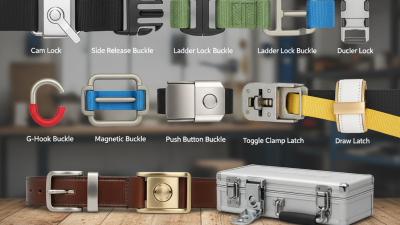
Lift-off hinge latches work well on removable machine covers and electrical enclosures. The operator can lift the panel away after releasing the latch. Draw latches pull two surfaces tightly together, making them useful for cases, access doors, and inspection cabinets. Toggle latches provide fast clamping force on workshop fixtures and protective guards. Cam latches turn a rotating cam behind the frame. They are common on control boxes and utility compartments.
Material choice affects service life. Stainless steel resists moisture, while coated steel suits many indoor industrial settings. Plastic versions can reduce weight and surface damage. The latch must match the panel thickness and expected load. A loose latch may create noise or weaken the seal. A tight latch may distort a thin cover. There is no universal type. Installation errors are easy to overlook, especially when alignment seems acceptable by eye. Check the hinge line, closing force, and fastener condition during routine maintenance. Small gaps matter.
| Hinge Latch Type | How It Works | Typical Operating Action | Common Materials | Typical Applications | Main Advantages | Important Considerations |
|---|---|---|---|---|---|---|
| Over-Center Hinge Latch | A pivoting lever pulls the latch hook or catch past the centerline, creating a stable locked position. | Lift or rotate the lever to open; press the lever down to clamp and lock. | Plated steel, stainless steel, or coated metal; some handles use polymer grips. | Machine guards, equipment covers, tool cases, enclosures, and access panels. | Fast operation, strong clamping action, and good resistance to vibration when correctly adjusted. | The latch must be aligned correctly; excessive tension can deform the panel or hardware. |
| Draw Hinge Latch | A hinged arm engages a strike, hook, or keeper and pulls two surfaces tightly together as it closes. | Rotate the arm into the keeper, then close it against the latch body. | Steel, stainless steel, aluminum, or zinc-based alloys. | Cabinet doors, industrial panels, inspection covers, and removable assemblies. | Provides a tight closure and can compensate for small gaps between mating surfaces. | The keeper position and available clearance determine whether the latch can close properly. |
| Toggle Hinge Latch | A toggle linkage moves through a center position and holds the latch closed until the handle is released. | Pull or push the handle to move the linkage over center. | Carbon steel, stainless steel, aluminum, and engineering plastics. | Fixtures, jigs, molds, workholding equipment, and frequently opened covers. | Quick one-handed operation and repeatable clamping force. | Select the linkage size and latch rating according to the required holding force and cycle frequency. |
| Spring-Loaded Hinge Latch | A spring biases the latch arm, pin, or hook toward the engaged position and helps maintain contact. | Press, pull, or rotate the spring-loaded part to disengage it. | Stainless steel, spring steel, plated steel, or corrosion-resistant alloys. | Small access doors, battery compartments, cases, covers, and light-duty enclosures. | Automatic return to the engaged position and simple, compact construction. | Spring fatigue, corrosion, and accidental release should be considered in demanding environments. |
| Sliding-Bolt Hinge Latch | A bolt slides into a hole, slot, or keeper to secure a hinged door or panel. | Slide the bolt manually into or out of the receiving feature. | Steel, stainless steel, brass, or reinforced polymer components. | Gates, utility cabinets, storage boxes, service doors, and outdoor enclosures. | Simple design, clear visual status, and effective resistance to direct pulling forces. | The bolt and keeper need sufficient overlap; dirt or misalignment can prevent full engagement. |
| Compression Hinge Latch | A cam, lever, or threaded mechanism draws the panel against a gasket or sealing surface as it closes. | Turn or rotate the operating element until the panel is compressed and secured. | Stainless steel, zinc alloys, aluminum, and elastomeric sealing materials. | Electrical cabinets, control boxes, HVAC panels, and weather-resistant enclosures. | Can improve sealing against dust, moisture, and vibration when paired with a suitable gasket. | The latch alone does not guarantee a specific ingress-protection level; the complete enclosure must be tested. |
| Paddle-Style Hinge Latch | A recessed paddle moves an internal latch mechanism that releases or engages a striker. | Lift, press, or pull the paddle to operate the latch. | Stamped steel, stainless steel, aluminum, and molded polymer components. | Vehicle compartments, instrument cabinets, server enclosures, and flush-mounted doors. | Low-profile design, reduced snagging risk, and convenient access. | Check panel thickness, cutout dimensions, locking requirements, and exposure to weather or tampering. |
| Lockable Hinge Latch | The latch includes a provision for a padlock, key cylinder, or other locking device to prevent unauthorized opening. | Engage the latch first, then secure the integrated or separate lock. | Powder-coated steel, stainless steel, aluminum, and hardened lock components. | Tool storage, safety guards, electrical cabinets, outdoor boxes, and restricted-access panels. | Adds access control while retaining the basic function of a mechanical hinge latch. | Security level depends on the lock, mounting hardware, surrounding structure, and resistance to forced entry. |
A hinge latch combines two motions: a hinge allows movement, while a latch holds the panel closed. When the panel shuts, its rotating arm enters a keeper or strike plate. Spring pressure then helps maintain contact. This simple action supports access doors, equipment covers, cabinets, and service panels.
Selection should begin with the real load, not the catalog photograph. Check panel weight, vibration, operating temperature, corrosion exposure, and required cycle life. Allow extra capacity for impact and misalignment. A latch rated for 500 cycles may fail quickly under daily industrial use. Confirm the rating through test conditions, because cycle figures are not always comparable. The U.S. Department of Energy’s Operations & Maintenance Best Practices Guide reports that preventive maintenance can reduce costs by 12–18% compared with reactive maintenance. That supports scheduled inspections, even for small hardware. Still, one weakness remains: maintenance intervals based only on time can miss sudden vibration damage.
Tips: Inspect the hinge pin, keeper, fasteners, and sealing surfaces every three months. Look for bright wear marks, loose screws, bent metal, or incomplete engagement. Clean away grit before applying a compatible lubricant. Do not lubricate blindly; some sealed assemblies need none. Check alignment with the panel closed, then pull gently by hand. It should not release. Replace distorted parts rather than forcing adjustment. In practice, a latch that feels “almost right” often needs attention.