10 Essential Tips for Using Sliding Locks Effectively?
Sliding locks are practical devices used for added security in various settings. Whether in homes or businesses, these locks offer an effective way to secure doors and windows. Knowing how to use them correctly enhances their efficacy. However, they are not without flaws. Using sliding locks improperly can lead to security breaches.
When considering sliding locks, it’s important to ensure they fit the door or window correctly. A loose fit can make it easier for intruders to bypass the lock. Regular maintenance is essential to ensure smooth operation. Dust and debris can accumulate, rendering the lock ineffective.
Common mistakes include neglecting to test the lock regularly. Regular testing ensures that it operates smoothly. If something seems off, it’s crucial to investigate immediately. Taking these steps can help maximize the effectiveness of sliding locks. Understanding their limitations also plays a vital role in proper use. Reliability comes from being informed and proactive.
Understanding the Basics of Sliding Locks and Their Mechanisms
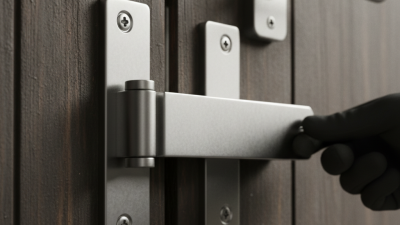
Sliding locks are simple yet effective mechanisms widely used in various security applications. To truly understand their functionality, it’s crucial to grasp how they operate. A sliding lock typically consists of a bolt that slides into a strike plate. This design allows the lock to secure doors or cabinets seamlessly. However, the locking mechanism can sometimes present challenges, especially if not maintained properly. Regular inspection can ensure smooth operation.
Users often overlook the importance of regular maintenance. Dust and debris can accumulate, hindering the lock's functionality. Simple tools, like a soft cloth or a can of compressed air, can help clean these areas. Observing how the lock moves when engaged is essential. If it feels stiff or requires excessive force, it may indicate wear or that an adjustment is needed. Addressing these issues promptly can prevent future complications.
Understanding the basic mechanics can help users make informed decisions. Always consider the installation environment. A lock that functions well in one area might struggle in another due to factors like humidity or dust. Testing different sliding locks can lead to a better selection for unique needs. Seeking expert advice or tutorials can provide further insight, ensuring you choose a lock that meets your requirements effectively.
10 Essential Tips for Using Sliding Locks Effectively
This chart illustrates the effectiveness of different tips for using sliding locks based on user ratings. The ratings are on a scale of 1 to 10, where 10 indicates maximum effectiveness.
Choosing the Right Type of Sliding Lock for Your Needs
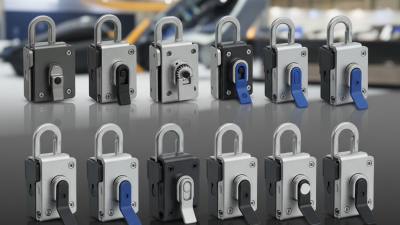
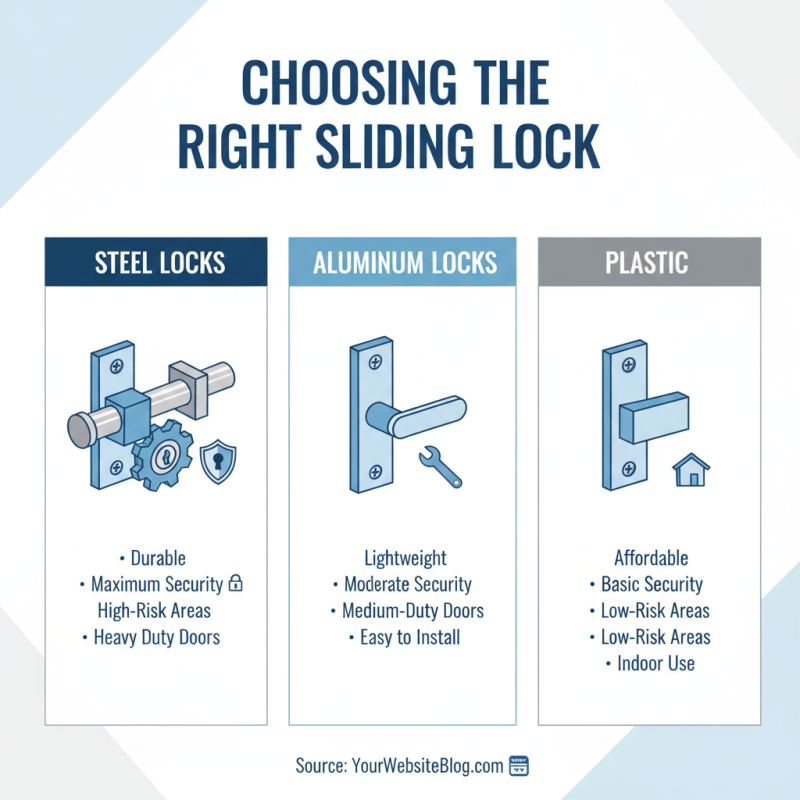
Choosing the right type of sliding lock is crucial for ensuring security and ease of use. You should first consider the materials. Some locks are made of steel, while others use aluminum or plastic. Steel is more durable and offers better protection, making it ideal for high-risk areas. Aluminum is lightweight and can be suitable for lighter applications. Plastic locks may be cheaper but might not provide sufficient security.
Next, assess the locking mechanism. There are various styles, including bolt, latch, and electronic locks. Bolt locks offer robust security, but they require more effort to operate. Latch locks are easier to use and often found in residential settings. Electronic locks provide convenience, but ensure they have a backup system for power outages.
It’s also vital to evaluate the environment where the sliding lock will be installed. Factors like weather exposure, traffic levels, and frequency of use can impact the type of lock you need. Remember, not every option is perfect for every situation. Taking the time to analyze your specific requirements will help you make a more informed decision.
Step-by-Step Installation Guide for Sliding Locks
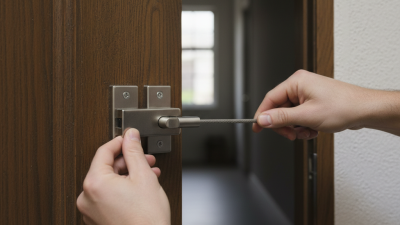
Installing a sliding lock can enhance your home security. Start by gathering all necessary tools, including a drill, screws, and a level. Measure the door or window area. Accurate measurements ensure a snug fit. Mark the installation points carefully with a pencil. This helps prevent mistakes during the drilling process.
As you proceed with installation, pay close attention to the alignment of the lock. Misalignment can cause functionality issues. After drilling, securely attach the lock, ensuring it is flush with the surface. Test the lock several times. It should slide smoothly without sticking. If you experience resistance, consider adjusting its position slightly for optimal performance.
Lastly, it's vital to check the security features. Ensure that the lock engages properly and feels sturdy. Reflect on your installation—if something doesn’t feel right, revisit your steps. A well-installed sliding lock enhances security, but imperfect execution might lead to vulnerabilities. Take the time to do it right.
Maintenance Tips for Ensuring Long-Lasting Sliding Lock Performance
When it comes to maintaining sliding locks, regular upkeep is crucial. Dust and dirt can accumulate, hindering performance. Clean the track and mechanism regularly. A simple wipe with a damp cloth can coat out grime. Use a soft brush to reach tight spots. This will ensure smooth operation.
Lubrication is another key aspect. Use a quality silicone spray on the tracks. A few drops of oil on the moving parts can also work wonders. Be cautious; too much lubricant can attract dirt. It's a balance between functionality and cleanliness. Regular checks for any wear or tear in the components are essential.
Educate yourself on the lock's design. Some may have specific maintenance needs. Pay attention to how the lock feels while in use. If you notice resistance, it’s an indicator of a problem. Reacting promptly can prevent larger issues down the line. Trust your senses; they often guide you to the right maintenance action.
10 Essential Tips for Using Sliding Locks Effectively
| Tip Number |
Tip Description |
Frequency of Maintenance |
Expected Lifespan |
| 1 |
Regularly clean the sliding track to remove dirt and debris. |
Monthly |
5-10 years |
| 2 |
Lubricate the lock mechanism to ensure smooth operation. |
Every 6 months |
5-8 years |
| 3 |
Check for misalignment of the sliding door frequently. |
Every 3 months |
5-10 years |
| 4 |
Inspect for rust or corrosion and address issues immediately. |
Quarterly |
5-10 years |
| 5 |
Ensure locks are not exposed to excessive moisture. |
Annual |
5-15 years |
| 6 |
Replace worn-out keys and ensure they are functioning properly. |
As needed |
N/A |
| 7 |
Trim any obstructions that could interfere with door operation. |
Bi-annual |
5-10 years |
| 8 |
Keep the sliding door track dry to prevent slipping. |
Monthly |
5-10 years |
| 9 |
Use high-quality sliding locks to enhance security. |
At installation |
10+ years |
| 10 |
Consult a professional for any major repairs or replacements. |
As needed |
N/A |
Best Practices for Enhancing Security with Sliding Locks
Sliding locks are a practical choice for enhancing security in both residential and commercial settings. According to a report by the Security Industry Association, improper installation can reduce the effectiveness of sliding locks by up to 50%. Ensuring locks are expertly fitted is crucial. A tight fit prevents easy bypassing and reinforces the lock's reliability. Regular maintenance also plays a significant role. Lubricating the lock mechanism can ensure smooth operation and longevity.
One major concern is the potential for wear and tear. Over time, components can degrade, making locks less secure. Research shows that 30% of security breaches occur due to outdated locking mechanisms. Regularly inspecting your sliding locks can help identify issues before they become problematic. Consider replacing locks showing signs of wear. Another tip is to use multi-point locking systems. They provide additional points of engagement, which can deter intruders more effectively than a single point system. Investing in reinforced tracks can also improve security. The added strength can prevent forceful entry, offering peace of mind in high-risk areas.

 Rod lock