10 Essential Tips for Choosing the Right Rotary Latch Lock?
Choosing the right Rotary Latch Lock is crucial for ensuring security and functionality. Renowned industry expert John Robinson, a leading force in locking mechanisms, once stated, “A good Rotary Latch Lock blends innovation with reliability.” In an era where safety is paramount, understanding the basics can significantly impact your selection process.
Many factors come into play when choosing a Rotary Latch Lock. The right design and materials are essential. Each choice reflects on the lock's durability and effectiveness. High-quality locks withstand daily wear and tear. Some may wonder if cost equates to quality. While cost can be a factor, it shouldn't be the sole consideration. It's worth considering how a seemingly simple choice can influence the overall security of your property.
Lastly, don't overlook the importance of compatibility. Not every Rotary Latch Lock fits every application. The right fit ensures proper function and longevity. Careful evaluation can prevent future issues. Everyone makes mistakes—paying little attention to details can lead to costly replacements. Realizing what works best for your needs is a thoughtful journey.
Understanding the Basics of Rotary Latch Locks
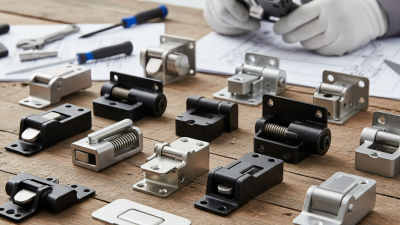
When selecting the right rotary latch lock, it’s essential to grasp the basics of how they function. Rotary latch locks operate by rotating a catch to secure doors, hatches, or compartments. This mechanism provides a reliable closure. The design ensures that the latch locks automatically when the door is pushed closed. Understanding the working principles can guide you in making informed decisions.
Consider the material of the latch. High-strength steel or durable plastic can offer varied levels of security and longevity. A latch made from cheaper materials may fail over time. This can lead to unintended access or damage. Evaluate your requirements carefully. A low-cost latch may seem appealing, but may not withstand frequent use.
Another important factor is the installation process. Not all rotary latches are easy to install. Some may require specialized tools. Proper installation is crucial for functionality and security. Always check the latch’s specifications for compatibility with your application. Ignoring these details can lead to headaches down the line. A little attention now can save you significant time and effort in the future.
10 Essential Tips for Choosing the Right Rotary Latch Lock
Identifying the Specific Needs for Your Application
When selecting a rotary latch lock, understanding your specific application needs is crucial. Different scenarios require different features. For instance, a marine application demands corrosion-resistant materials. This trend is highlighted in a recent industry report, which indicates that 40% of users prioritize environmental factors in their choice.
One primary consideration is the latch mechanism. Will your application require a manual or electric latch? This decision can impact durability and ease of use. Additionally, ensure compatibility with existing hardware. An incompatible latch can lead to inefficiencies or failures.
Another essential tip involves understanding the weight and frequency of use. Heavy, frequently-used doors need stronger latches. Statistics show that improperly chosen locks lead to a 20% increase in maintenance costs. Therefore, it's wise to assess the lock's load rating carefully.
Consider the security level required for your application. In high-security environments, stronger latches with advanced locking systems are crucial. Some reports suggest that businesses suffer from 30% more theft with inadequate security measures. Taking time to understand these aspects will lead to more effective and long-lasting solutions.
Evaluating Materials and Durability of Rotary Latch Locks
When selecting a rotary latch lock, the materials used are vital.
Stainless steel is a popular choice due to its
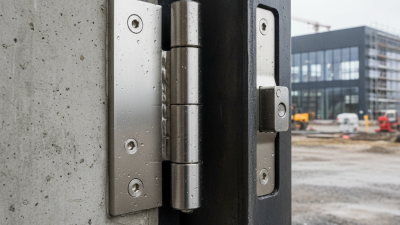
corrosion resistance. It withstands harsh environments and ensures longevity. However, not all stainless
steel is created equal. Some grades perform better than others. Researching material specifications
can be handy.
Plastic components may also be present.
They often reduce weight and cost. But plastic can wear faster than metal. Consider the operating
conditions before deciding. If your latch will face significant wear, metal parts
are a better option.
Durability depends on how locks are manufactured. Look for locks with tested load capacities. Seeking
third-party testing certifications can also provide assurance. It's
worth realizing that cheaper options may compromise performance. Invest time in evaluating
the materials to enhance overall security. Always question if the latch can meet your specific needs.
Assessing Security Features of Rotary Latch Locks
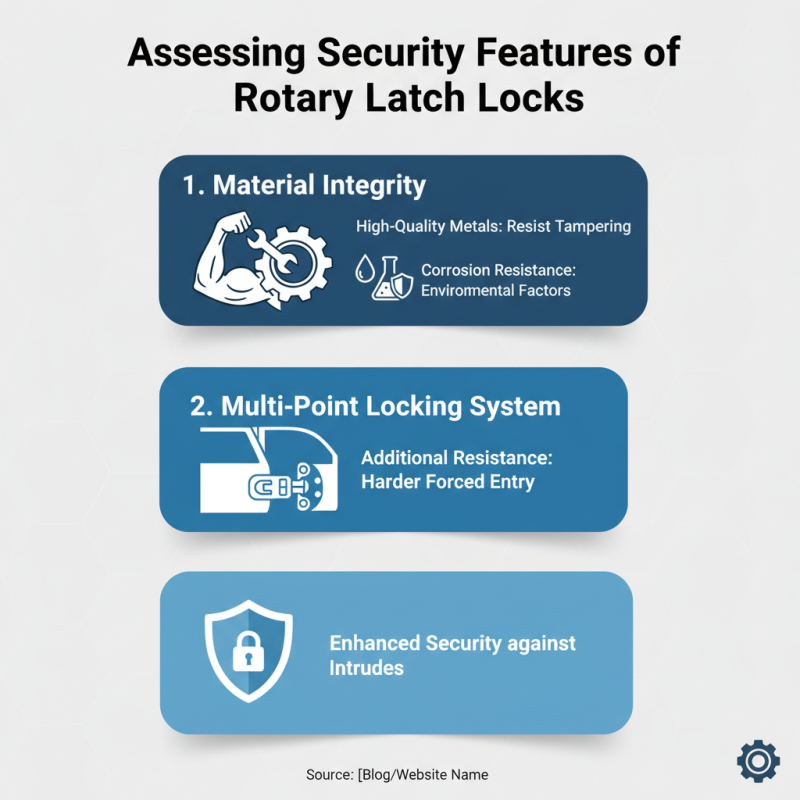
When evaluating the security features of rotary latch locks, focus on the material integrity. High-quality metals can resist tampering more effectively than weaker alternatives. Look for features like corrosion resistance, as environmental factors can weaken locks over time. Also, a multi-point locking system can enhance security. This design gives additional resistance against forced entry, making it hard for intruders.
Another critical aspect is the locking mechanism itself. A well-designed mechanism should engage smoothly and consistently. Test various models to ensure they operate without hesitation. Simplicity can sometimes indicate reliability. However, overly simplistic designs might lack necessary security features. Consider locks with advanced designs like anti-pick or anti-bump features for added peace of mind.
User reviews and expert opinions can guide your decision-making process. Real-world experiences highlight potential flaws in designs that aren’t obvious during initial inspections. It's essential to remain skeptical about the claims made in marketing materials. Seek locks that not only meet your security needs but also align with your specific applications, ensuring they suit your unique requirements.
Considering Installation and Maintenance Requirements
When considering the right rotary latch lock, installation and maintenance requirements are crucial factors. Fitting a rotary latch requires precise measurements. Ensure the latch aligns properly with the door or compartment. Incorrect installation can lead to functional issues. Review the manufacturer's guidelines for hole sizes and spacing. Be prepared to adjust your setup based on these specifics.
Maintenance is equally important. Regularly inspect the latch for wear and tear. Dust and debris can easily hamper performance. Lubricate moving parts to ensure smooth operation. It’s not always obvious when a latch needs service. Look for signs of sticking or unusual sounds. Clean any dirt buildup around the mechanism. Sometimes, a simple adjustment can enhance functionality greatly.
Consider the environment where the latch is installed. Humidity, temperature, and exposure to elements play roles in longevity. Different materials withstand various conditions better. Choosing one that fits your needs will save time and effort later. Ultimately, being proactive about installation and maintenance fosters reliability. It's not just about the initial choice; the ongoing care is key to lasting performance.

 Rod lock