How to Use a Push Lock Effectively for Security?
In today’s world, security is a crucial concern for everyone. A reliable solution for safeguarding belongings is a Push Lock. This device offers unique features that can enhance the safety of your property. Understanding how to use it effectively is essential for maximizing its benefits.
Push Locks are straightforward, yet they require careful handling. Their design allows for quick access while ensuring robust protection. However, using them carelessly can lead to vulnerabilities. It’s important to choose the right Push Lock for your needs. Consider factors like durability and resistance to tampering.
Installation plays a significant role in the effectiveness of a Push Lock. An improperly installed lock may compromise security. Regular maintenance and periodic checks are also vital. Being aware of wear and tear can prevent unexpected failures. Observing these details can drastically improve your security experience.
Understanding the Basics of Push Locks and Their Mechanism
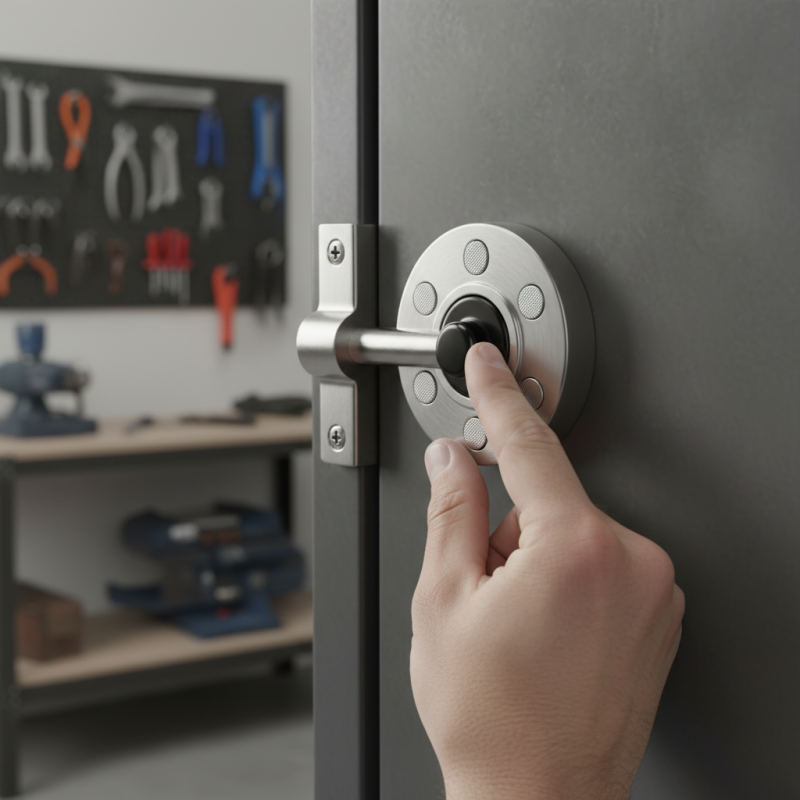
Push locks are popular for their simplicity and effectiveness. To understand them, it helps to know their mechanism. When you press the lock button, internal pins align perfectly. This action allows the bolt to retract smoothly. When the button is released, the pins drop back into place. This process secures the lock again.
One must consider some limitations. Push locks can be manipulated if someone understands the mechanics. They are not foolproof. Additionally, using a push lock in high-security areas may not be the best choice. Regular maintenance is essential. Dust and grime can lead to malfunctions. Keeping the lock clean improves its reliability.
Moreover, the location of the push lock matters. Experimenting with placements can lead to vulnerabilities. Locks placed at eye level are more accessible but may also attract unwanted attention. Thinking critically about these aspects can enhance security. It’s vital to reflect on whether push locks truly meet your needs.
Step-by-Step Installation Process for Push Locks
Installing a push lock can enhance security for various applications. Start by gathering the necessary tools: a drill, screwdriver, measuring tape, and a level. Measure the area where you want to install the lock. Mark the position clearly to ensure accuracy. This step can be tricky. Even a small mistake can lead to misalignment later.
Next, drill holes for the lock and fit it into place. Make sure it sits flush against the surface. Testing the lock at this stage is vital. You might notice that the lock doesn't engage properly if the alignment is off. Adjustments may be needed. Take your time and don't rush this part.
Once the lock is in place, secure it with screws. Ensure everything is tight, but avoid overtightening. This might damage the lock. Try using the key multiple times to check its functionality. If it feels stiff or doesn't turn smoothly, reassess your installation. Remember, a well-installed push lock can provide peace of mind, but installation errors can compromise security.
Push Lock Effectiveness Analysis
This chart illustrates the effectiveness of push locks based on several criteria, including security level, user satisfaction, installation difficulty, and cost effectiveness. Each dimension is rated out of 100, reflecting an overall assessment of push locks in various aspects of security.
Best Practices for Maintaining and Testing Push Locks
When utilizing a push lock, maintenance and testing are crucial. Keep locks clean. Dust and debris can hinder performance. Regularly inspect the lock's mechanism. Look for signs of wear or rust. These issues can compromise security.
Tips: Apply a small amount of lubricant occasionally. This helps keep the moving parts working smoothly. Remember, too much lubricant can attract dirt. Balance is key.
Testing is equally important. Use the lock daily. Ensure it opens and closes smoothly. Occasionally, enlist a friend to test your lock. They can help identify potential weaknesses. Push locks should not be ignored, even when they seem to work well.
Tips: Consider setting up a schedule for testing. Consistency builds security habits. Remind yourself that locks can fail. Evaluating your push lock regularly ensures it continues to protect what matters most.
Common Mistakes to Avoid When Using Push Locks for Security
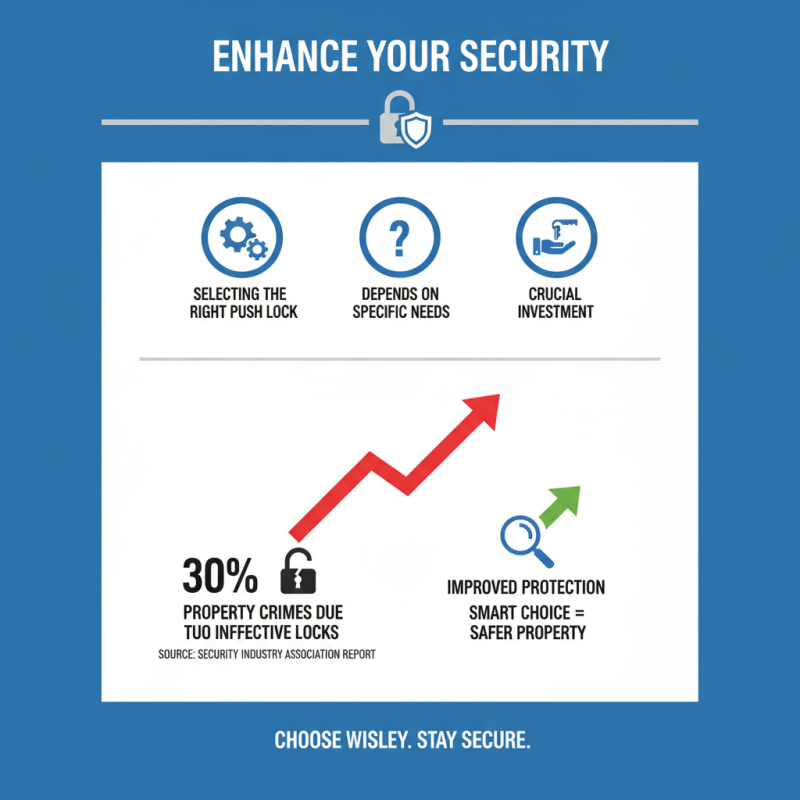
Using push locks can enhance security, but many users make mistakes. One common error is improper installation. Research shows that nearly 30% of burglars bypass locks due to faulty installation. This highlights the need for proper setup. Ensure the push lock is fitted tightly and aligned with the door frame. A loose lock can easily be forced open.
Another mistake involves neglecting maintenance. According to industry reports, about 25% of lock failures stem from a lack of care. Dirt and debris can obstruct the locking mechanism, making it less effective. Regularly check and clean your push locks to keep them functioning optimally.
Users often overlook the importance of using high-quality materials. About 40% of push locks on the market do not meet security standards. Investing in stronger locks can greatly reduce the chance of a break-in. When choosing a push lock, it's essential to consider the materials and ratings. Ignoring this can leave you vulnerable.

 Rod lock