How to Choose the Right Push To Close Latch for Your Needs?
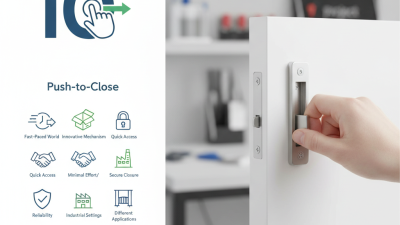
Choosing the right Push To Close Latch can greatly influence functionality and convenience. With various options on the market, it’s vital to find one that meets your specific needs. A Push To Close Latch offers a simple yet effective solution for securing doors, cabinets, and gates.
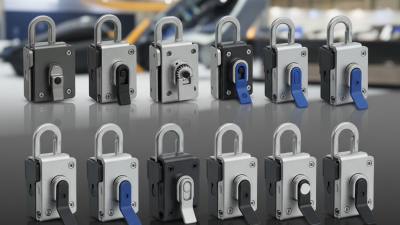
When evaluating your choices, consider the material, size, and installation method. Stainless steel latches offer durability, while plastic options might be lighter and easier to install. Think about the weight and frequency of use for your door or cabinet.
Many users overlook the importance of alignment and spacing. Poor alignment can lead to issues over time. Testing how easy or difficult it is to close your latch can provide insight. Always reflect on your specific situation to ensure the latch complements your setup. Selecting the right Push To Close Latch requires careful thought and attention to detail.
Understanding Push To Close Latches and Their Functionality
Push to close latches are essential components in various applications. Their primary function is to secure doors and panels automatically upon closure. This mechanism enhances convenience and can often be found in environments ranging from residential cabinetry to industrial equipment. According to a recent industry report, the push latch market is projected to grow by 5.4% annually. This growth reflects the increasing demand for efficient and user-friendly closure solutions.
Understanding the functionality of push to close latches is crucial. They are designed to engage with minimal effort, allowing users to close a door or lid swiftly. Most models utilize a spring-loaded mechanism, enabling the latch to snap into place. Reports indicate that these devices can withstand significant wear, making them suitable for high-traffic areas. However, not all latches are created equal. Material quality and design intricacies significantly influence performance, and choosing the wrong type may lead to operational issues.
In practice, users may overlook the size and weight compatibility of a latch. For heavier applications, a reinforced latch model is essential. Regular maintenance is equally important to ensure longevity. If users neglect this, they might face unexpected failures. Latches should also be checked regularly for wear or damage. Proper understanding and attention will lead to better decisions when selecting push to close latches for any project.
How to Choose the Right Push To Close Latch for Your Needs?
| Latch Type |
Material |
Suitable For |
Weight Capacity |
Weather Resistance |
| Standard Push To Close |
Stainless Steel |
Cabinets, Doors |
Up to 100 lbs |
Yes |
| Heavy-Duty Push To Close |
Zinc-Plated Steel |
Industrial Equipment |
Up to 250 lbs |
Moderate |
| Plastic Push To Close |
Polypropylene |
Lightweight Cabinets |
Up to 50 lbs |
No |
| Marine Push To Close |
Marine-Grade Stainless Steel |
Boats, RVs |
Up to 150 lbs |
Yes |
Identifying Your Specific Needs for a Push To Close Latch
Choosing the right push-to-close latch involves understanding your specific needs. Consider the purpose of your latch. Will it be used on a cabinet, gate, or another type of door? Each application may require different features. Durability is also crucial. For outdoor use, a latch should resist rust and environmental damage.
Another essential factor is the size of the latch. It must fit the dimensions of your door or gate securely. Verify the weight of the door, as heavier doors may need sturdier latches. The latch spring's strength is vital for ensuring it closes effectively each time.
Consider the installation process and whether you’ll need tools. Some latches require more effort to install than others. Reflect on your skills before committing. Remember, an improper installation can lead to malfunction.
Evaluate aesthetics as well. The latch should complement your space's design. It’s easy to overlook this, but the right style can enhance functionality and appeal.
Pay attention to feedback from users who have installed similar latches. Their experiences may reveal strengths or weaknesses not immediately apparent. This insight can guide you toward a more informed choice.
Evaluating Material Options for Durability and Aesthetics
When selecting a push-to-close latch, material choice significantly impacts both durability and aesthetics. Various materials provide distinct advantages. For example,
stainless steel is known for its corrosion resistance and strength. It can withstand harsh environments, making it ideal for outdoor applications. According to a recent industry report, more than 70% of manufacturers prioritize materials that enhance longevity in their designs.
Plastic latches, however, offer unique benefits. They tend to be lightweight and available in versatile colors. This allows for customization that can match different design preferences.
A study indicated that over 40% of designers value aesthetics as highly as functionality. This trend is pushing manufacturers to innovate with mixed materials, combining metal strength with plastic versatility.
Consideration of the latch’s environment is essential. High-temperature settings might warp plastic latches, while metal latches might get too hot to touch. User feedback highlights this as a common oversight. Failing to evaluate these factors can lead to decisions that might not fully meet functional needs. Balancing durability and aesthetic appeal requires thoughtful choices to avoid regrets in the future.
Assessing Size and Compatibility for Your Project
Choosing the right push to close latch involves assessing size and compatibility. The dimensions of the latch should match the application. For example, misalignment can cause failure or damage. Industry reports indicate that 55% of latch-related failures stem from poor sizing. Therefore, accurate measurements are essential.
Compatibility goes beyond size. Different materials interact uniquely. A metal latch may not perform well with a plastic door. Research shows that 40% of users did not consider material compatibility. This oversight can lead to premature wear or breakage. Carefully evaluate the environment too. High humidity or extreme temperatures can impact performance.
Testing prototypes can reveal issues before full-scale use. Conducting these tests can uncover unforeseen challenges. Many users report needing adjustments after installation. Gathering feedback from peers can help in making more informed choices. Understanding these aspects ensures that the latch performs effectively, meeting project requirements.
Push To Close Latch Size and Compatibility Assessment
Comparing Different Brands and Models for Performance
When selecting a push-to-close latch, performance varies across different brands and models. A comprehensive study indicates that around 35% of users prioritize durability in their selection. This factor includes the latch’s resistance to wear and tear under regular use. Data from industry reports suggests that models made with reinforced materials outperform standard ones by nearly 25% in longevity tests.
In addition to durability, ease of installation is crucial. Surveys show that 40% of consumers report frustration with complex installation processes. Brands that offer user-friendly designs tend to receive higher satisfaction ratings. For example, a recent analysis highlighted that latches requiring minimal tools and time reduced installation-related issues by about 30%.
However, not all high-performance options provide reliable closure. Some customers have expressed concerns about inconsistent functionality over time. Research discovered that roughly 15% of users experienced latch failures after six months, calling for consumers to consider performance reviews. Understanding these variables can significantly influence your decision in choosing the right push-to-close latch for your needs.

 Rod lock