Leave Your Message

How to Choose the Right Plane Lock for Your Needs?

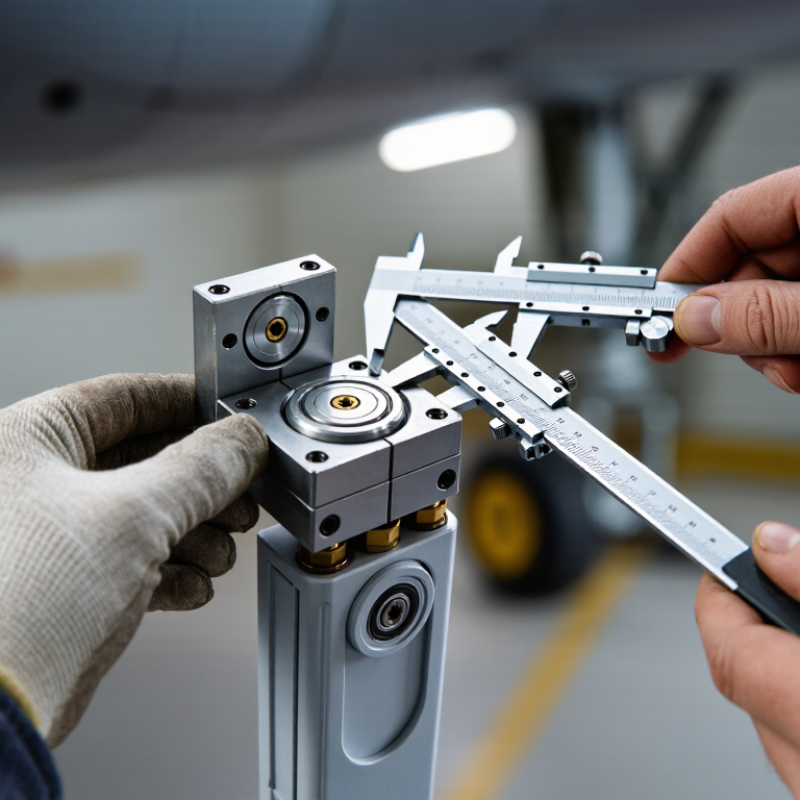
Choosing the right Plane Lock starts with a clear question: what needs to stay secure, and where will the lock be used? The term can describe different products, so a lock designed for aircraft equipment may not suit a woodworking plane or another tool. Fit matters most. Check the product’s intended use, dimensions, mounting method, and compatibility before comparing prices. A close-up measurement can prevent a frustrating mismatch later.

Consider the conditions the lock must handle. Frequent use, vibration, moisture, and exposure to dust can affect durability and ease of operation. Look for clear material details, reliable instructions, and a design that can be inspected without special guesswork. Small details count. A stiff keyway or awkward release can become a daily irritation. It is easy to focus on price; that can be shortsighted if the lock wears quickly or does not fit securely.

For aircraft-related applications, follow the aircraft manufacturer’s approved guidance and seek help from a qualified aviation professional when requirements are unclear. A general-purpose product should never be assumed suitable for a safety-critical use. This guide will compare practical selection factors, including fit, construction, operating conditions, and maintenance. The best choice is not always obvious. Careful checking—and a willingness to reconsider a tempting bargain—can help you select a Plane Lock that matches your actual needs.
How to Choose the Right Plane Lock for Your Needs?

Define the Aircraft, Locking Point, and Use Case Before Comparing Designs

Before comparing designs, identify the aircraft and the exact point you need to secure. A control lock for a parked light aircraft serves a different purpose from a wheel chock or a tie-down restraint. Check the aircraft’s operating handbook or maintenance guidance for approved locking points. A control surface may look sturdy but can be damaged by pressure in the wrong place. Note the aircraft model, the lock location, and whether it will be stored indoors or exposed to rain and wind.

Tips: Photograph the locking point, then measure its opening and nearby clearance. Check for soft padding, corrosion-resistant materials, and a release you can operate with cold hands. Small details matter. Avoid relying on a lock as a substitute for approved mooring or parking procedures.

Next, define the use case: preventing control movement during storage, discouraging casual access, or protecting equipment during transport. These needs call for different shapes and levels of durability. Consider how often the lock will be fitted, whether it can be secured without scraping paint, and how clearly its locked state can be checked during a walk-around. Ask a qualified aircraft technician if the locking point is unclear. I would not choose by price alone; a bulky lock can be awkward, and a neat fit is not proof of suitability. Verify fit and operation on the aircraft before routine use.
Check Airframe Compatibility Against the FAA Type-Certificate Data Sheet

A plane lock should fit the airframe’s approved configuration, not just its general model name. Check the aircraft data plate, then compare its make, model, and serial number with the FAA Type Certificate Data Sheet (TCDS). The TCDS describes the approved type design, including model differences and limitations. It may not identify a specific lock, so treat it as a compatibility baseline rather than a complete fitment guide.

Small differences matter. Control geometry, canopy clearance, and later alterations can affect where a lock sits or whether it obstructs movement. Check the aircraft records for approved changes, and consult the relevant parts or maintenance information. A lock that appears to fit may still press against a surface. That deserves a closer look.

Tips: Use the current TCDS for the exact aircraft model, and confirm serial-number applicability. Compare the lock’s contact points with the airframe before use. If fit or clearance is uncertain, ask a qualified aviation maintenance professional to review it. Don’t force it. Verify twice.

How to Choose the Right Plane Lock for Your Needs? — Check Airframe Compatibility Against the FAA Type-Certificate Data Sheet

Compare representative maximum takeoff weights listed in FAA Type-Certificate Data Sheets (TCDSs). These figures describe aircraft limits—not lock ratings or proof of physical fit.

Before choosing a lock: Match the exact aircraft model and configuration to its current TCDS, then confirm the lock fits the relevant control surface or landing-gear geometry and does not interfere with aircraft operation. The anonymized examples correspond to FAA TCDS 3A12, 3A13, and 2A13; approved weights can vary by variant and configuration.

Compare Padlock Test Criteria in ASTM F883 and UL 437

When choosing a padlock for an aircraft hangar, compare what each standard actually tests. ASTM F883 evaluates padlocks using performance tests that may address operation, environmental exposure, and resistance to physical attack. The applicable grade and test scope matter; a standard reference alone does not tell you how a lock performed. Check the current edition and the product’s test documentation.

UL 437 has a different emphasis. It covers high-security locks and cylinders, with requirements that can include resistance to picking, drilling, and other forms of attack. Its criteria are not a direct substitute for an ASTM F883 grade. That distinction matters. Confirm that the exact lock configuration—not just a similar model—is covered by the stated certification.

For a hangar, consider the hasp, shackle clearance, and exposure to rain or salt air alongside the test results. A strong lock on a weak hasp can still leave an easy failure point. Small details count. I would also ask how the lock is maintained; real-world wear can complicate a neat test comparison. Use documented criteria to narrow your choices, then assess the whole installation and the risks it must handle.

Assess Weather Exposure Using MIL-STD-810H Environmental Test Methods

Choosing a plane lock starts with its real environment, not a catalog description. Record where it sits, how often it gets wet, and whether hot air, freezing temperatures, or cleaning fluids reach it. MIL-STD-810H offers environmental test methods, but it is not a single pass-or-fail certification for every lock. Test conditions should match the intended installation.

Methods can help frame a practical review. High- and low-temperature tests examine operation after heat or cold exposure; humidity testing assesses moisture effects. Rain and salt-fog methods can reveal water entry, corrosion, or stiff movement. Ask for the test procedure, exposure levels, and post-test results—not just a claim that a product was “tested to” the standard. A test may not reproduce every field condition. That matters.

Tips: Check the lock after exposure, not only before it. Look for rust near fasteners, water trapped around the cylinder, and a key that turns unevenly. Compare results with your own site conditions. A tidy lab report helps, but it can miss a small drainage problem on the actual door. Keep inspection notes and revise the test plan when service conditions change.

Verify Emergency Egress Compliance Under 14 CFR § 23.2315

Choosing a plane lock starts with the exit it protects. Under 14 CFR § 23.2315, an airplane’s means of egress must support rapid evacuation. The rule does not prescribe a particular lock. It does make the lock’s effect on the approved exit design important. A lock that blocks a handle, snags clothing, or requires a key from inside may undermine safe egress.

Check the aircraft’s certification basis and approved operating procedures before selecting or installing a lock. Confirm that occupants can release the exit from inside as designed, without searching for a key or tool. Try the normal movement of the handle; even a small obstruction can matter in a cramped cabin. Test in realistic conditions, such as dim light and gloves. These checks are practical safeguards, not a substitute for approved design review.

Consider how the lock behaves during routine use and maintenance. Can a pilot verify its position at a glance? Could vibration or a loose fitting interfere with the latch? Document the configuration, inspect it regularly, and involve qualified aircraft maintenance personnel when changes affect an exit or its hardware. A neat installation is reassuring, but appearance alone proves little. The uncomfortable question is simple: could someone unfamiliar with the lock open the exit quickly under stress?

How to Choose the Right Plane Lock for Your Needs? — Verify Emergency Egress Compliance Under 14 CFR § 23.2315

Comparison of common aircraft door-locking arrangements and the checks to make before selection or use.
Lock or Arrangement Typical Purpose Emergency-Egress Considerations When It May Be Appropriate Checks Before Use
Approved, integrated door latch or lock Secures an aircraft door as part of its designed and approved configuration. Its effect on exit operation should be assessed in every relevant operating state, including normal and emergency operation. Preferred starting point when the arrangement is specified for the aircraft configuration. Confirm the aircraft’s approved configuration and instructions; verify that the exit can be operated as required by the applicable certification basis.
Keyed external security lock for ground use Restricts unauthorized access while the aircraft is parked. If installed or engaged, it could interfere with opening an exit. Its use must not defeat required access or emergency operation. Ground security only, where the aircraft’s approved procedures and configuration permit it. Check approved documentation and operating procedures for installation, removal, and status before flight. Do not assume a ground-security device is suitable for flight.
Interior privacy or security lock Provides privacy or restricts access from outside while occupants are inside. Assess whether occupants can operate the exit and whether the lock changes the normal opening sequence or requires a key or special tool. Only when compatible with the aircraft’s approved design and applicable operating requirements. Check operation from the required side or sides, clarity of the operating method, and any limitations in the aircraft documentation.
Aftermarket hasp, padlock, or improvised locking device Provides added physical security, often without being integrated into the aircraft door design. High concern It may obstruct an exit, alter door operation, or introduce an unapproved configuration change. Do not select or install without appropriate approval for the specific aircraft and configuration. Refer the proposed change to qualified aviation maintenance and the applicable approval process; do not rely on appearance or fit alone.
Separate cockpit or compartment security lock Controls access to a compartment; it is not necessarily the locking mechanism for an emergency exit. Confirm it does not block, delay, or confuse operation of any exit required for evacuation. Where the aircraft design and applicable procedures provide for that arrangement. Review the aircraft-specific instructions and assess interactions with cabin access and emergency procedures.

Compliance note: 14 CFR § 23.2315 addresses emergency exits. It does not designate a universal plane-lock type. Verify the exact regulatory text, applicable certification basis, approved aircraft configuration, and aircraft-specific procedures before selecting or changing any lock. This comparison is general information, not an airworthiness determination or approval for installation.