How to Choose the Right Cam Lock for Your Needs?
Choosing the right cam lock can significantly impact security and convenience. With various designs and features available, it’s essential to understand what best suits your needs. A cam lock is not just a simple locking mechanism; it plays a crucial role in protecting your valuables.
When selecting a cam lock, start by considering the application. Different environments require specific features. For instance, if you're securing outdoor equipment, a weather-resistant option is essential. Also, pay attention to the locking mechanism. A reliable cam lock should balance security with ease of use. Personal experiences often inform these choices, highlighting the trial and error involved in finding the ideal fit.
Moreover, think about compatibility with your existing hardware. Not every cam lock is universal. Some may require specific mounting types or sizes. This consideration can save time and frustration in the installation process. Reflecting on these factors can guide you to a more informed decision. The right cam lock isn't about merely picking one at random; it demands thoughtful evaluation.
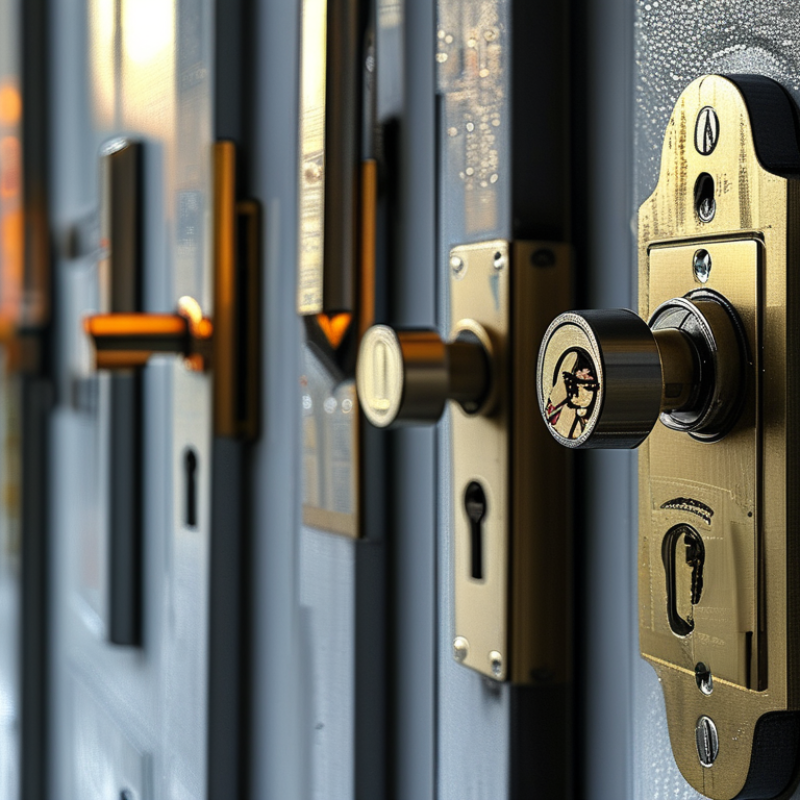
Understanding the Basics of Cam Locks: Types and Functions
Choosing the right cam lock requires a solid understanding of its types and functions. Cam locks are often used in cabinets, lockers, and doors. They provide security and convenience in everyday life. Understanding their basic structure can guide you in making the right choice.
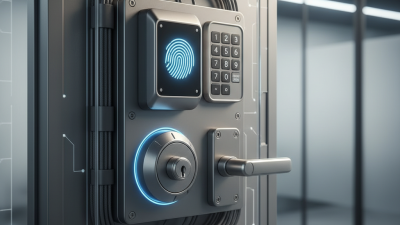
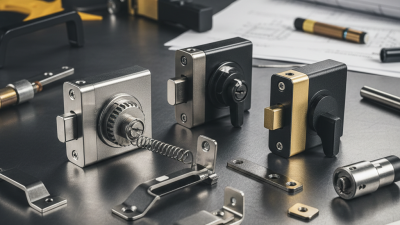
There are various types of cam locks. The most common types include keyed locks, combination locks, and electronic locks. Keyed cam locks require a physical key, which offers traditional security. Combination locks provide a twist, eliminating the need for a physical key but requiring you to remember the code. Electronic locks offer advanced security features, such as keypads or biometrics. Knowing your specific needs can help you choose the proper type.
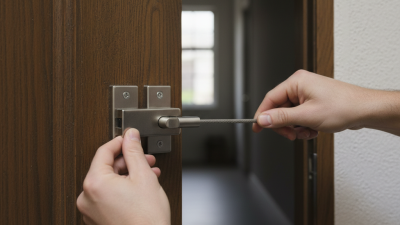
Consider the installation process. Some cam locks are simple to install. Others may require tools and expertise. It's important to evaluate your skill level before selecting a lock. Reviewing customer feedback is crucial. It can reveal the best options based on actual user experiences. Additionally, think about the level of security you need. Not every application requires heavy-duty locks. Balancing security needs with practicality is key.
Evaluating Key Attributes: Security Levels and Material Durability
When choosing a cam lock, two critical attributes must be assessed: security levels and material durability. Security levels vary widely among cam locks. Some are designed for light usage, while others offer advanced features like anti-drill protection and pick resistance. Evaluating these aspects can prevent future regrets. Knowing your specific needs aids in selecting a lock that can withstand various threats. For high-security environments, investing in robust locking systems is wise.
Material durability plays a significant role in the overall effectiveness of a cam lock. Locks made from high-quality metals resist corrosion and wear. Cheaper locks may appear functional but often fail in harsh conditions. This inconsistency can lead to frustration when locks jam or fail. Consider factors such as the location of installation and climatic conditions. A lock exposed to the elements requires more resilient materials. Reflection on past experiences can guide your choice, ensuring you select a durable option.
Identifying Common Applications: Where Cam Locks are Used Most
Cam locks are versatile and commonly used across various industries. They provide security for cabinets, lockers, and enclosures. According to a report by MarketsandMarkets, the global cam lock market is projected to reach $10 billion by 2025. This growth signifies the rising demand for secure storage solutions. Many organizations, including schools and gyms, rely on cam locks for safeguarding personal belongings.
In office environments, cam locks secure filing cabinets and storage rooms. They reduce the risk of unauthorized access and protect sensitive information. A study by the Security Industry Association highlights that 70% of companies face security breaches related to inadequate locking systems. Cam locks address these concerns effectively.
Manufacturers must consider specific application requirements when selecting cam locks. Corrosion-resistant materials are crucial for outdoor uses. Additionally, different keying options add customization for businesses. This necessity can lead to confusion among users. Choosing the right cam lock requires understanding the particular needs of your space while balancing security and accessibility. Each situation demands careful reflection to ensure the best choice is made.
Assessing Size and Compatibility: Ensuring a Proper Fit for Your Needs
Choosing the right cam lock requires careful consideration of size and compatibility. Many people overlook the importance of a proper fit. A lock that doesn't fit well can lead to security concerns and usability issues. Measure the thickness of the material where the lock will be installed. Ensure you select a lock designed for that specific thickness.
Compatibility also involves the type of cam lock mechanism. Different designs serve varying purposes. A simple feature may work for cabinets, while more complex configurations are necessary for safes or lockers. Think about the installation process, too. Some locks are straightforward to install, while others may require tools and technical knowledge.
It's easy to feel overwhelmed by the choices available. Reflect on your specific needs and preferences. Look for guidance but trust your intuition. Often, the right choice may not be the most popular one. Take the time to assess your requirements thoroughly. That extra attention can save you from future headaches.
Comparing Cost Factors: Budgeting for Quality Cam Locks in Your Project
When budgeting for cam locks, understanding cost factors is essential. Basic locks can be inexpensive, but they often lack quality. Choosing a cheaper option may save you money initially, but it could lead to issues down the line. A faulty lock can compromise security, increasing replacement costs. Investing in durable materials is worth considering.
Quality cam locks often come with additional features that enhance security. They might include advanced locking mechanisms or resistance to tampering. This can affect their price point significantly. Take time to analyze what your project needs versus what various options offer. Occasionally, the cheapest choice does not provide the best long-term value. Evaluating lifetime costs can lead to better overall decisions.
Keep in mind that your specific environment affects cam lock performance. For instance, a humid climate may accelerate wear and tear. Therefore, a modestly priced lock might fail sooner than expected. Don’t hesitate to weigh options before committing. Quality matters, but so does prioritizing your project budget. Finding the right balance can be challenging, but it pays off in the end.

 Rod lock