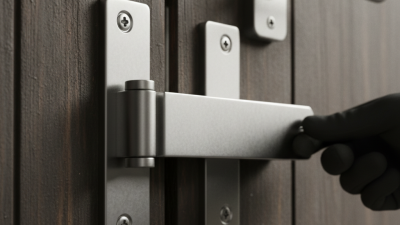
How to Choose the Right Locking Hardware for Your Needs?
Choosing the right locking hardware can be a daunting task. According to security expert John Smith, "The right locking hardware is vital for ensuring safety and peace of mind." With so many options available, it's easy to feel overwhelmed.
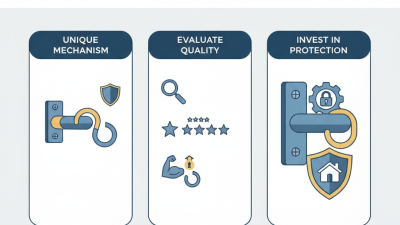
Locking hardware comes in many forms, such as padlocks, deadbolts, and electronic locks. Each type offers unique features and benefits. It's crucial to evaluate your specific needs first. Consider factors like the level of security required and the environment where the lock will be used. A sturdy lock can act as a strong deterrent against potential threats.
Misjudging your locking hardware selection can lead to vulnerabilities. Often, people underestimate the importance of quality. Not all locks are created equal. Some may look secure but fail under pressure. Take the time to research and consult experts in the field. Finding reliable locking hardware is an investment in your safety and security.
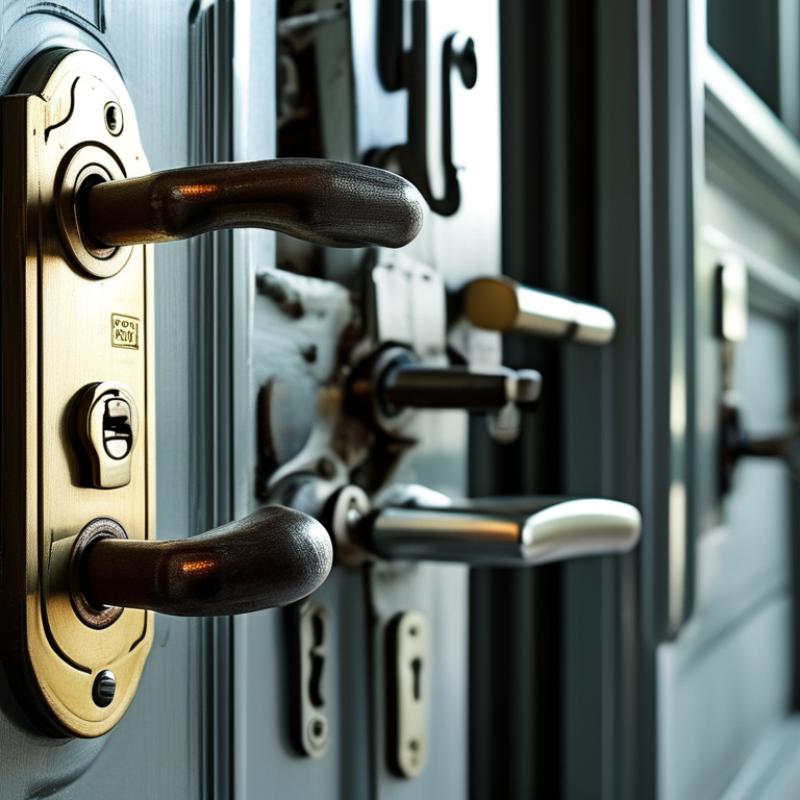
Choosing the Right Locking Hardware: Key Considerations
Choosing the right locking hardware is essential for ensuring security and convenience. Consider the materials used in the hardware. Steel is durable but may rust if not treated. Brass is aesthetically pleasing but softer and less durable. According to a recent report, 47% of burglaries occur through unlocked doors. This statistic emphasizes the importance of selecting reliable locks.
When selecting locking hardware, assess the type of locking mechanism. Deadbolts provide higher security than latch locks. A recent study indicates that properties with deadbolts experience a 15% lower incidence of break-ins. Additionally, think about the ease of use. Complex locks can frustrate users, leading to misuse.
Tip: Look for locks with a grade rating. Grade 1 offers the highest level of security, while Grade 3 is suitable for less trafficked areas. Evaluate your specific needs before making a decision. The environment can also affect durability. Locks in coastal areas may need more frequent replacement due to corrosion. Always be mindful of the potential for wear and tear. Simple maintenance can significantly extend the life of your locking hardware.
Understanding Different Types of Locking Hardware Available
When selecting locking hardware, it’s essential to understand the different types available. Each type serves a unique purpose, addressing various security needs. For instance, deadbolts offer robust protection for exterior doors. They lock with a key or thumb turn and resist forced entry effectively. However, not all deadbolts are created equal. Some may have weak points that can be exploited.
Next, there are padlocks, which come in various shapes and sizes. They are ideal for securing gates, lockers, or sheds. However, their effectiveness hinges on the quality of the padlock. Many affordable options can be easily compromised. Consider investing in a higher-grade padlock for critical applications.
Lastly, electronic locks are gaining popularity in both residential and commercial settings. They provide convenience with keyless entry and remote access. Yet, their reliance on batteries and technology can be a downside. Regular maintenance and software updates are necessary to ensure reliability. Think about your specific needs and the level of security required. No single locking hardware type fits all situations, demanding thoughtful consideration.
Evaluating Security Ratings: ANSI/BHMA Standards Explained
When choosing locking hardware, security ratings are key considerations. The ANSI/BHMA standards provide a reliable way to evaluate the strength and quality of locks. These standards classify locks into different grades based on their durability and functionality. For example, a Grade 1 lock is designed for commercial use and offers the highest level of security.
Understanding these grades can be overwhelming. Many might not realize the implications of their choice. A Grade 3 lock might suffice for residential doors, but it lacks the robustness of higher-rated options. The materials and mechanisms in higher-rated locks ensure better protection against unauthorized access. Yet, it’s essential to assess your actual security needs.
Consider the environment and potential threats. Will the lock face extreme weather? Is it in a high-crime area? Reflecting on these factors can guide your decision. Researching and comparing different locking systems will also enhance your understanding. After all, choosing the right locking hardware is not just about following standards; it’s also about finding what suits your unique situation.
Security Ratings of Locking Hardware
Assessing Material Durability: Steel vs. Brass vs. Aluminum
When assessing material durability for locking hardware, the most common options are
steel, brass, and aluminum. Each material has unique properties that affect its performance.
Steel is renowned for its strength and resistance to wear. According to data from the National Institute of Standards and Technology (NIST), steel locks can withstand significant force, making them ideal for high-security applications. However, steel can rust if not properly coated.
Brass, on the other hand, offers excellent corrosion resistance and is visually appealing. It is often used in residential settings. A report from the American Society for Testing and Materials (ASTM) states that brass can last decades with minimal maintenance. However, it is softer than steel, making it more vulnerable to physical attacks. The durability of brass hinges on its alloy composition, which varies widely.
Aluminum presents a lightweight alternative. Many industries prefer it for its resistance to corrosion and good aesthetic qualities. Studies by the Aluminum Association indicate that aluminum locks can still maintain structural integrity under various environmental conditions. However, the lower tensile strength of aluminum makes it less suitable for high-security situations. Evaluating your specific needs will help you find the most appropriate locking hardware.
Installation and Maintenance: Ensuring Longevity of Locking Mechanisms
Choosing the right locking hardware means understanding installation and maintenance. Ensuring your locks last requires specific practices. Regular attention to your locking mechanisms is vital. Even the best locks can fail if neglected.
Installation plays a crucial role. Ensure that locks are securely fitted to the doorframe. Misalignment can lead to premature wear. Additionally, avoid over-tightening screws, which can damage the lock's internal components. If you are unsure, consulting a professional can save you from costly mistakes.
Regular maintenance is equally important. Clean the locks with a soft cloth to remove dirt. Apply graphite lubricant to the keyway to enhance functionality. Check for rust on external surfaces and replace any corroded parts. Remember, a little upkeep goes a long way in extending the life of your locks.
**Tips:** Establish a routine for checking your locks every few months. Document any signs of wear or unusual sounds. This proactive approach can help identify issues early, ensuring your locking systems remain secure and reliable.
How to Choose the Right Locking Hardware for Your Needs? - Installation and Maintenance: Ensuring Longevity of Locking Mechanisms
| Lock Type |
Features |
Installation Complexity |
Maintenance Requirements |
Expected Lifespan |
| Deadbolt |
High security, resistance to forced entry |
Medium |
Low, lubricate annually |
15-20 years |
| Knob Lock |
Basic security, easy to operate |
Easy |
Moderate, check screws regularly |
5-10 years |
| Smart Lock |
Remote access, user codes |
Medium to High |
Regular software updates |
10-15 years |
| Mortise Lock |
High security, complex installation |
High |
Low, inspect for wear |
20-30 years |
| Cam Lock |
Compact, versatile for cabinets |
Easy |
Low, keep clean |
3-5 years |

 Rod lock