China Best Locking Hardware Suppliers for Global Buyers?
Choosing China’s best Locking Hardware suppliers requires more than comparing catalog prices. Global buyers need verified manufacturing capability, consistent tolerances, tested materials, and dependable export support. A polished product page is not enough. Factory evidence matters.
Grand View Research estimates that the global door hardware market will continue growing through 2030, supported by construction, renovation, and stronger demand for access control. Its market analysis also highlights electronic and smart hardware as important growth areas. Mordor Intelligence reports similar momentum in the smart lock sector, driven by hotels, offices, apartments, and connected homes. These trends create opportunity for Chinese manufacturers, but they also increase purchasing risks. Buyers must distinguish real engineering capacity from simple trading operations.
A reliable supplier should provide material specifications, load and cycle testing, corrosion-resistance information, sample approvals, and traceable quality records. For example, a stainless-steel lever should open smoothly after repeated testing, while a cabinet lock should maintain alignment after transport vibration. Certifications can help, but they do not replace factory audits or independent inspection. Not every supplier performs equally.
This guide examines China’s strongest Locking Hardware suppliers through practical criteria, including product range, customization, quality systems, production experience, lead times, and after-sales communication. It also considers international standards and buyer documentation needs. Some evaluations remain imperfect because supplier capabilities can change quickly. That limitation deserves attention. Still, structured verification can reduce surprises and support better long-term sourcing decisions for distributors, contractors, and global project buyers.
What Locking Hardware Includes and How China’s Supplier Market Is Structured
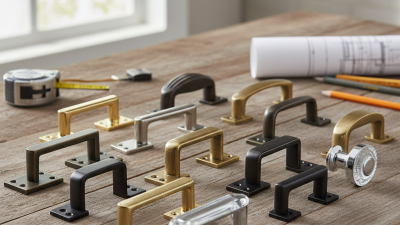
Locking hardware covers more than a lock body. It can include cylinders, keys, latches, strike plates, handles, hinges, and electronic components such as keypad modules. A cabinet latch and a door lock may look similar in a catalogue, yet their load, finish, and fitting requirements can differ. Buyers should define the application before comparing prices.
China’s supplier market includes factories making complete products, component specialists, and trading companies sourcing from several workshops. Some manufacturers handle machining, assembly, and inspection in one facility; others rely on outside suppliers for parts or surface finishing. Ask who controls each production step. Request dimensional drawings, material details, sample units, and inspection records. A polished sample is useful, but it does not prove every production batch will match. Supplier roles can be blurry, and that deserves a closer look.
Tips: Send a short specification sheet with door thickness, cutout dimensions, finish, and expected usage. Check whether the sample installs with ordinary tools. Confirm how defects are recorded and how replacement parts are handled. Small omissions matter. A missing screw dimension can delay installation, even when the lock itself works well.
Which Locking Hardware Categories Serve Different Applications
Locking hardware should be selected by door function, traffic, and required level of control. Mechanical cylinders and deadbolts suit homes, storage rooms, and low-traffic offices. They are straightforward to maintain. For schools, clinics, and busy workplaces, mortise locks and panic-exit devices can better handle repeated use and quick egress. A door closer and compatible latch matter, too; a strong lock can still fail when the door does not align.
Electronic locks serve rooms that need scheduled access or audit records, such as hotel rooms, shared offices, and equipment cabinets. The Grand View Research report on the global smart lock market estimated its 2023 value at USD 2.7 billion and projected a 19.6% compound annual growth rate from 2024 to 2030. That growth signals rising interest, not a reason to fit electronics everywhere. Battery changes, network outages, and retrofit limits deserve attention. They are easy to underestimate. In humid coastal sites, corrosion-resistant finishes and sealed components help; in industrial settings, impact resistance and serviceable parts may matter more than remote access. Categories can overlap, and product labels alone rarely tell the whole story. Check door thickness, frame condition, cycle rating, and local accessibility requirements before specifying hardware.
Thickness ranges are indicative fitment ranges, not universal specifications. Actual compatibility varies by product and installation; verify the manufacturer’s dimensional requirements before purchasing. Cam locks are typically used on thinner cabinet panels, while door-lock ranges depend on door construction and lock design.
How Global Buyers Can Assess Chinese Suppliers and Product Quality
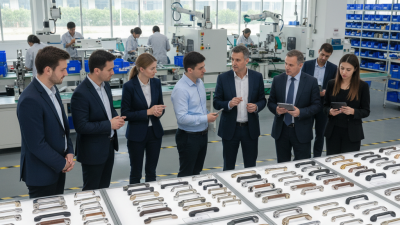
Global buyers assessing Chinese locking hardware suppliers should look beyond polished catalogs. Ask who makes each component and where assembly takes place. A factory visit can reveal more than a sales presentation: check production records, inspection stations, and how rejected parts are handled. Look closely. A tidy sample room does not prove that every shipment will match the sample.
Product quality needs measurable checks. For a lock body, compare material specifications, dimensions, finish, and operating feel against an approved sample. Ask for test reports that identify the tested model, method, and date. For moving parts, repeated operation tests can expose sticking or uneven engagement. Coating tests may help assess resistance to wear and corrosion, but results depend on the test conditions. Details matter.
Before placing a large order, request samples from a normal production run, not only specially prepared units. Confirm that packaging, part numbers, and inspection records are consistent. A qualified third-party inspection can provide an independent view, especially when the buyer cannot visit the site. Keep written acceptance criteria and agree on how defects will be recorded and addressed. Suppliers may answer every question confidently; that alone is not evidence. I would still verify the claims against physical samples and dated records.
What Certifications, Materials, and Compliance Requirements to Check
When comparing locking hardware suppliers, ask for certificates tied to the exact product, not just the factory. Check whether test reports identify the model, finish, and tested configuration. For mechanical locks, review relevant standards such as EN 12209 or ANSI/BHMA grading; fire-door hardware may need separate fire-test evidence. Requirements vary by destination and installation. A certificate for one latch does not automatically cover a complete lockset.
Materials matter in daily use. Request stainless-steel grades, coating specifications, and corrosion-test results, especially for coastal projects where salt air reaches hinges and strike plates. For electronic products, verify applicable electrical-safety, electromagnetic-compatibility, and restricted-substance documentation, including RoHS evidence where required.
MarketsandMarkets estimated the global access-control market at USD 10.4 billion in 2024, with growth forecast through 2029. That expansion makes traceable compliance more important, not less. Ask suppliers for batch records and a clear process for managing material or component changes.
Paperwork can look tidy. Samples still matter. Test the key in the cylinder, inspect screw alignment, and compare the sample finish with the production specification. I have seen procurement checks focus heavily on certificates while overlooking installation details. That is an easy mistake. A well-documented supplier should explain test scope, provide reports from recognized laboratories, and identify any gaps before shipment—not after a site inspection.
How to Compare Quotes, Manage Orders, and Plan International Shipping
When comparing locking hardware quotes from China, do not judge by unit price alone. Ask for material grade, finish, dimensions, testing records, and packaging details. A quote should separate tooling, samples, inspection, inland delivery, and export charges. Confirm whether prices use EXW, FOB, or another Incoterm. These terms can change your real landed cost sharply. I once underestimated carton volume, and the freight revision damaged the original budget. That mistake was avoidable.
Tips: Build a comparison sheet. Record payment terms, lead time, warranty scope, and replacement procedures. Request a sample before approving bulk production. Check key measurements yourself, especially cylinder fit and screw length. Small errors become expensive at scale.
Order management needs written checkpoints. Approve a specification sheet with drawings, finish samples, carton marks, and acceptable tolerances. Use a purchase order defining quantities, inspection timing, and remedies for shortages. A pre-shipment inspection can verify count, surface quality, and function, but it cannot replace clear communication. Keep one contact responsible for changes. Otherwise, updates may reach production too late.
For international shipping, calculate cartons, gross weight, and stackability before ordering. Ask the supplier for accurate commercial invoices, packing lists, and transport details. Choose sea, rail, air, or courier service according to urgency and shipment size. Leave buffer time for port handling and customs review. Delivery dates are estimates, not promises.

 Rod lock