What Are the Best Pull Latch Suppliers in China?
Choosing the best Pull Latch suppliers in China requires more than comparing catalog prices. A dependable supplier should demonstrate material knowledge, stable production, clear inspection procedures, and responsive communication. Stainless steel grade, spring strength, corrosion resistance, mounting accuracy, and surface finishing all affect the latch’s service life. Small details matter.
Industry sourcing consultant David Lin explains, “A reliable Pull Latch is not judged by appearance alone; it must perform consistently after repeated use.” This practical view shapes the supplier evaluation in this guide. We consider factory experience, engineering support, sample quality, customization ability, packaging, and after-sales responsibility. A supplier with modern equipment may still fail if quality records remain unclear. A smaller factory may offer careful workmanship, yet struggle with delivery capacity. The answer is rarely simple.
Real evaluation should include physical samples. Open and close each latch repeatedly. Check whether the spring returns smoothly, whether screws align correctly, and whether the catch holds firmly without excessive force. Ask for material certificates, dimensional drawings, and test information when the application demands them. Not every supplier presents evidence equally well. That weakness deserves attention.
This article introduces several leading Pull Latch suppliers in China and explains where each one may fit. Some serve industrial enclosures, while others focus on trailers, cabinets, cases, or custom hardware. Their strengths differ. Buyers should verify current capabilities directly before placing an order. A polished website is not proof. Experience, evidence, and honest communication remain stronger indicators of a trustworthy manufacturing partner.
What Makes a Reliable Pull Latch Supplier in China?
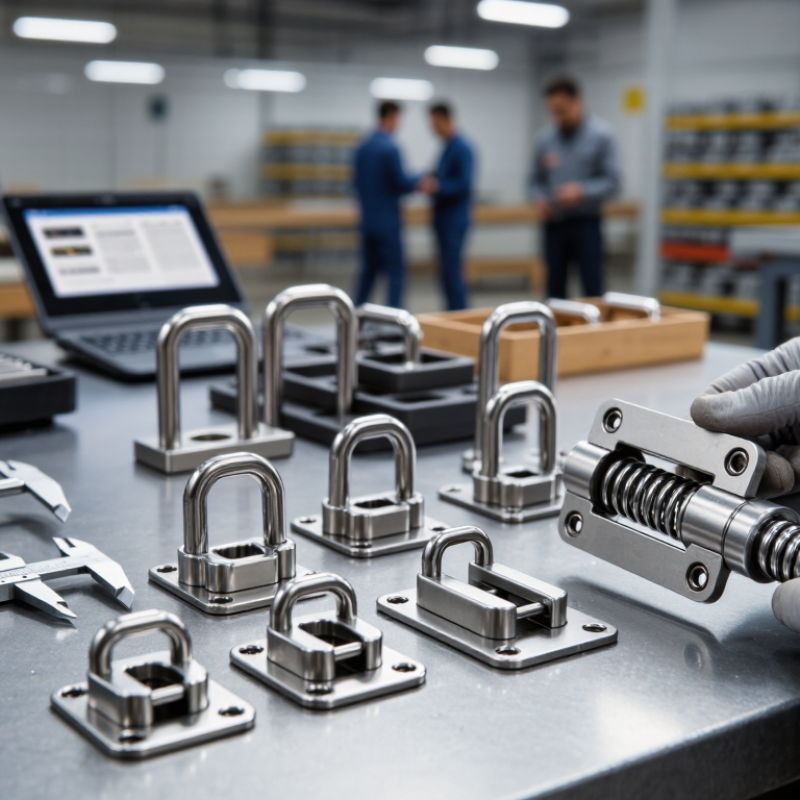
A reliable pull latch supplier in China should prove performance, not merely offer attractive catalog photos. During practical sourcing, I have found that small details often reveal production discipline. Check the latch body, spring, handle, and mounting plate separately. Their materials should match the stated specification. Stainless steel, zinc alloy, and coated steel behave differently in humid environments. Ask for material reports and clear dimensional drawings.
A dependable supplier welcomes sample approval before mass production. Test the latch repeatedly with realistic force, vibration, and misalignment. It should close smoothly and remain secure after many cycles. Ask how the factory controls spring tension, hole position, surface finish, and assembly torque.
A supplier with documented inspections can explain rejection limits without hesitation. Random checks are useful, but critical parts may need full inspection. This costs more. It can prevent expensive field failures.
Communication also matters. Reliable teams answer technical questions directly and record design changes. They should provide batch numbers, inspection photos, packaging details, and a practical delivery schedule. Factory audits can reveal whether equipment, workers, and storage areas match the supplier’s claims. Yet no factory is flawless. I would question any supplier promising zero defects or impossible lead times. One overlooked issue is packaging: loose metal latches can scratch each other during transport. Strong separators and dry storage show careful thinking. A supplier becomes more trustworthy when it admits limitations and improves after testing.
Key Types and Applications of Pull Latches
Pull latches are compact hardware, yet their design affects safety, service life, and daily handling. Draw latches use a hook and keeper to pull two panels together. Compression latches add pressure, helping control vibration and dust. Toggle latches provide strong over-center force for machinery covers. Recessed pull latches sit nearly flush with a panel. They suit cabinets, transport cases, and equipment with limited clearance.
Each type serves a different working condition. Compression models are useful for electrical enclosures that need a firm seal. Draw latches work well on toolboxes, inspection doors, and removable machine guards. Slam-style pull latches support frequent access, especially when operators wear gloves. Stainless steel handles humid environments, while plated steel often suits indoor industrial equipment. Plastic versions reduce weight but may lose strength under heat.
A reliable Chinese supplier should provide measured drawings, material details, load data, and sample units. Check the latch cycle rating, mounting hole accuracy, spring tension, and surface treatment. A latch can look excellent and still fail after repeated vibration. I have seen this mistake during equipment sourcing. Request assembly samples before approving volume production. Inspect hook alignment and panel fit under realistic loads. Supplier audits, traceable quality records, and consistent packaging also matter. The overlooked detail is often the mounting surface, not the latch itself. Specification reviews should include temperature, corrosion exposure, operating frequency, and installation tools. Some designs seem universal. They are not.
How to Evaluate Chinese Pull Latch Manufacturers
A reliable pull latch supplier should show more than attractive catalogue photos. Ask for material grades, load ratings, tolerance ranges, and surface treatment details. Experienced manufacturers can explain how the latch behaves after repeated opening, vibration, and temperature changes. Request a current drawing with hole spacing, mounting depth, and handle clearance. Small omissions here can create expensive cabinet rework. Look closely.
Evaluate production evidence, not polished promises. A useful factory review should cover stamping, forming, welding, finishing, assembly, and final inspection. Check whether gauges are calibrated and whether inspection records identify batches. Ask for samples from normal production, not specially selected pieces. Test them with the intended panel thickness and fasteners. A cycle test, pull-force check, and corrosion test reveal different weaknesses. I once focused too heavily on surface finish and missed inconsistent spring tension. That mistake changed my checklist.
Communication is another quality signal. The manufacturer should answer technical questions directly and flag design risks before tooling begins. Confirm lead times, minimum order quantities, packaging, replacement procedures, and change-control rules in writing. Request a pilot order before committing to large volumes. During evaluation, compare response speed with document accuracy; fast replies mean little when drawings conflict. Independent testing may be worthwhile for safety-critical applications. Trust develops through evidence, though my judgment is never perfect.
How to Evaluate Pull Latch Manufacturers in China
This supplier evaluation framework uses practical procurement criteria for pull latches. The percentages represent recommended decision weights, helping buyers compare manufacturers consistently without relying on company or brand names.
Pricing, Export Services, and Supplier Selection Tips
What Are the Best Pull Latch Suppliers in China?
Pricing, Export Services, and Supplier Selection Tips
Pull latch pricing in China depends on steel grade, surface finish, latch size, and order volume. A basic zinc-plated latch may cost less, while stainless steel versions suit humid environments better. Ask for a detailed quotation with tooling, packaging, inspection, and shipping listed separately. A low unit price can hide expensive mold charges or weak cartons. Request samples before discussing a large order. The sample should open smoothly and hold its position without excessive play.
Export support matters as much as manufacturing skill. Reliable suppliers should explain lead times, minimum order quantities, export documents, and delivery terms clearly. Ask whether they can provide commercial invoices, packing lists, material certificates, and inspection photographs. Confirm carton dimensions and gross weight before booking freight. Small errors here can delay customs clearance or increase transport costs. Communication quality is a practical test.
Supplier selection needs evidence, not attractive photos. Review factory records, production equipment, quality procedures, and previous export experience. A capable supplier can explain tolerance limits and failure checks in simple language. Request a pre-shipment inspection for the first order. I once focused too heavily on price and overlooked inconsistent spring tension. That mistake was avoidable. No supplier is perfect. Discuss corrective actions, replacement terms, and response times before payment. A written specification should include dimensions, load expectations, finish, packaging, and approved samples.

 Rod lock