Global buyers entering the 2026 Handle Pull market need more than attractive product photos. They need evidence, consistency, and dependable supply.
The NKBA 2024 Kitchen Trends Report highlights continued demand for functional, durable, and visually coordinated kitchen details. Houzz’s 2024 U.S. Kitchen Trends Study also shows strong homeowner investment in cabinet upgrades. These findings suggest a clear direction. Buyers increasingly compare finish quality, ergonomic design, installation ease, and replacement support.
Small details matter.
A brushed brass Handle Pull should match its sample under daylight, not only under showroom lighting. A long stainless-steel pull should resist visible scratches during repeated daily use. Hole spacing must remain accurate across large production batches. These practical checks often separate reliable suppliers from attractive but inconsistent listings.
Jean Stoffer, a respected kitchen designer whose projects frequently feature cabinet hardware, has described hardware as “the jewelry of the kitchen.” The comparison is useful, although it should not replace technical testing. Style attracts attention. Performance earns repeat orders.
This 2026 supplier guide considers material quality, finish consistency, manufacturing experience, customization capability, packaging, lead times, and export readiness. It also considers published certifications and transparent communication, where available. Industry reports do not always measure Handle Pull suppliers directly, and market forecasts differ by region. That limitation deserves attention.
The strongest supplier may not offer the lowest quote. A cheaper pull can create higher costs through returns, installation delays, or mismatched replacements. Global buyers should request samples, inspect tolerances, confirm plating specifications, and review recent customer evidence before committing. This guide provides a practical starting point for that evaluation.
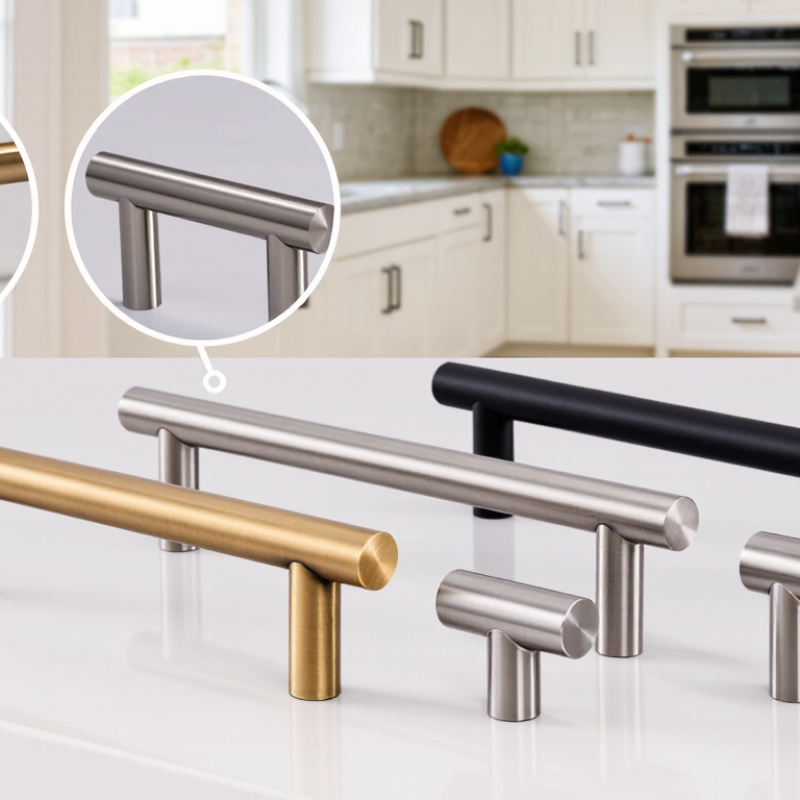
Handle pulls are elongated pieces of hardware used to open drawers, cabinets, wardrobes, and doors. Unlike knobs, they offer a wider gripping area and usually support a more controlled pulling motion. Their longer shape can also create a clean visual line across furniture. Common materials include stainless steel, aluminum, zinc alloy, wood, and solid brass. Surface finishes may be brushed, polished, matte, or textured. A small detail.
In homes, handle pulls appear frequently on kitchen drawers, bathroom vanities, storage cabinets, and bedroom furniture. Tall wardrobe doors often benefit from longer pulls because users can grip them at different heights. Furniture makers also use them on sideboards, desks, and media units. In offices, they suit filing cabinets and shared storage. Hospitality spaces may use them on guestroom furniture and service cabinets. Placement matters.
When evaluating handle pulls, check the center-to-center measurement between mounting holes. Confirm the projection, grip length, edge shape, and screw compatibility. These details affect comfort and installation time. A pull may look attractive in a sample but feel sharp or awkward after repeated use. I have seen this mistake during furniture inspections. That oversight costs time. Good suppliers should provide dimensional drawings, finish samples, and installation hardware. Samples should be tested on the actual panel thickness, not only viewed on a desk.
2026 Top Handle Pull Suppliers for Global Buyers
A leading handle pull supplier must prove more than attractive finishes. In real sourcing, buyers inspect hole spacing, screw fit, edge comfort, and coating consistency. Small defects become expensive when thousands of pulls reach a construction site. Reliable suppliers provide dimensional drawings, material declarations, inspection records, and samples from current production batches.
Quality systems matter, but certificates are not the whole story. The ISO Survey 2023 recorded more than 1.26 million valid ISO 9001 certificates worldwide. This shows broad adoption, not automatic product quality. Buyers should still request salt-spray results, load testing, and batch-control procedures. The World Bank’s 2023 Logistics Performance Index evaluates customs, infrastructure, shipment competence, tracking, and timeliness. A capable supplier should address all six areas with clear export documents and realistic delivery dates. Overpromising remains a warning sign.
Tips: Compare three samples under daylight. Check finish uniformity, thread strength, packaging protection, and replacement support. Ask for a pilot order before scaling. A low unit price can hide rework, damaged cartons, or inconsistent plating. Sustainability also needs evidence: recycled-content claims, factory energy data, and traceable metal sources are stronger than vague marketing language. No scorecard is perfect. However, combining laboratory evidence, shipment records, and hands-on inspection creates a more dependable decision.
This 100-point evaluation framework prioritizes the factors global buyers should verify when selecting a handle pull supplier. Quality consistency, corrosion performance, dimensional fit, and regulatory compliance receive the highest weighting because they directly affect product reliability, installation, and market access. Lead time, customization, minimum order quantity, and total cost should be assessed together with documented test reports, production controls, and delivery records.
When comparing top handle pull suppliers, start with material, not appearance. A 2024 market assessment by Fortune Business Insights values the global furniture market at over USD 500 billion, increasing pressure on suppliers to deliver consistent hardware.
Design must match both hand comfort and installation reality. Check center-to-center dimensions, screw length, edge clearance, and pull projection.
A 128-millimeter pull may look balanced on a cabinet door but feel awkward on a narrow drawer. Test several samples with wet hands.
Small details matter. ASTM-based corrosion testing, coating adhesion checks, and cycle testing provide stronger evidence than polished photographs. Ask for test methods, sample conditions, and failure limits.
Customization should include more than color. Reliable suppliers can adjust hole spacing, bar diameter, mounting feet, thread type, packaging, and inspection records.
A 2023 consumer study from McKinsey reported that 71% of consumers expect personalized interactions, supporting demand for tailored hardware programs.
However, customization can increase tooling costs and minimum order quantities. I would request a pre-production sample and a retained reference sample.
Even then, surface variation remains possible. That is easy to underestimate. Suppliers should disclose it clearly.
2026 Top Handle Pull Suppliers for Global Buyers
Which Regions and Manufacturers Serve Global Buyers Best?
Global buyers should compare regions by product fit, not reputation alone. East Asian manufacturers often provide broad handle-pull ranges, precise tooling, and competitive pricing. Southeast Asian factories can offer flexible production and practical customization for growing orders. European manufacturers usually emphasize refined finishes, strict tolerances, and documented material control. North American suppliers may support shorter communication cycles and smaller domestic replenishment programs.
In real sourcing work, no region wins every project. A factory producing excellent samples may struggle with coating consistency during volume production. Buyers should inspect machining marks, screw alignment, surface hardness, and carton protection. Request recent inspection records, material certificates, and production photographs. Independent audits can reveal crowded workspaces, weak labeling, or unstable processes. These details matter more than polished catalogs. I would not choose a supplier from samples alone. That lesson is easy to ignore.
Tips: Ask for three production samples. Measure hole spacing with calipers. Confirm stainless steel grades or alloy specifications. Test the finish after cleaning and repeated handling. Compare lead times during peak seasons. Clarify whether tooling, packaging, and inspection fees are included. Use a written approval sample before mass production. Keep communication records. Small misunderstandings can become expensive. A reliable manufacturer explains limits clearly, even when the answer is inconvenient.
Regional comparison of handle-pull manufacturing capabilities, export readiness, product scope, and typical purchasing conditions
| Supplier Region | Common Manufacturing Strength | Main Materials | Typical Product Range | Common Finishes | Typical MOQ Range | Typical Production Lead Time | Export & Compliance Advantages | Best Fit for Global Buyers |
|---|---|---|---|---|---|---|---|---|
| East Asia | High-volume stamping, die casting, CNC machining, and integrated surface finishing | Zinc alloy, stainless steel, aluminum, brass, iron, and engineered plastics | Cabinet pulls, drawer pulls, appliance handles, furniture handles, backplates, and custom designs | Polished chrome, satin nickel, matte black, antique brass, brushed stainless, powder coating, and PVD-style finishes | Approximately 100–1,000 pieces for standard items; higher for customized tooling or finishes | Approximately 20–45 days after sample approval and order confirmation | Broad OEM/ODM capacity, established container logistics, multilingual export documentation, and frequent support for international testing requests | Large-volume programs, private-label collections, multi-size ranges, and cost-sensitive international distribution |
| South Asia | Cast iron, brass, stainless-steel, and handcrafted decorative hardware production | Brass, iron, stainless steel, aluminum, wood, and mixed materials | Decorative cabinet pulls, traditional furniture handles, rustic hardware, ring pulls, and bespoke architectural fittings | Oil-rubbed bronze, antique brass, aged iron, brushed brass, natural metal, and hand-applied patinas | Approximately 50–500 pieces for standard or semi-custom collections | Approximately 30–60 days, depending on casting, hand finishing, and inspection requirements | Strong capability for small-batch decorative production; buyers should confirm coating durability, dimensional consistency, and inspection procedures | Interior-design collections, heritage styles, boutique furniture, and projects requiring distinctive handcrafted finishes |
| Europe | Precision machining, engineered design, premium finishing, and regulated product documentation | Stainless steel, brass, aluminum, zinc alloy, and specialty architectural metals | Premium furniture pulls, architectural handles, modular systems, accessible hardware, and design-led collections | Brushed or polished stainless steel, anodized aluminum, satin brass, powder coating, and durable lacquer systems | Approximately 25–250 pieces for standard items; custom programs may require a negotiated minimum | Approximately 15–40 days for standard products; custom development may take longer | Strong traceability, technical documentation, quality systems, and easier access to regional compliance and testing services | Premium residential, commercial interiors, hospitality, architectural projects, and buyers prioritizing design consistency |
| North America | Short-run production, custom engineering, rapid prototyping, and domestic distribution | Stainless steel, brass, aluminum, zinc alloy, steel, and durable polymers | Cabinet pulls, commercial furniture hardware, replacement handles, utility hardware, and custom architectural components | Satin nickel, matte black, polished chrome, brushed brass, bronze tones, and industrial powder coatings | Approximately 25–500 pieces, depending on stock availability and customization | Approximately 5–30 business days for stocked or standard items; custom work may require 30–60 days | Shorter domestic delivery cycles, responsive engineering support, and convenient returns or replacement handling for regional buyers | Urgent replenishment, commercial projects, smaller purchase volumes, and buyers requiring close technical communication |
| Latin America | Regional metalworking, cast hardware, furniture components, and market-specific customization | Brass, steel, iron, aluminum, zinc alloy, wood, and leather accents | Furniture pulls, decorative cabinet hardware, rustic handles, commercial fittings, and project-specific components | Antique brass, bronze, black, brushed metal, polished metal, and hand-finished decorative surfaces | Approximately 50–500 pieces, varying by country and production method | Approximately 25–60 days, excluding customs or cross-border transport time | Useful regional knowledge, Spanish- or Portuguese-language support, and shorter supply routes for local projects | Regional furniture manufacturers, hospitality projects, replacement demand, and culturally specific design collections |
| Middle East & Africa | Decorative metalwork, architectural hardware, custom casting, and project-based fabrication | Brass, stainless steel, aluminum, iron, zinc alloy, and mixed decorative materials | Luxury furniture pulls, hospitality hardware, architectural handles, oversized pulls, and ornamental fittings | Polished brass, antique brass, bronze, matte black, gold-tone finishes, and custom patinas | Approximately 50–500 pieces for standard ranges; project orders may be quoted individually | Approximately 30–70 days, depending on customization and destination logistics | Strong fit for bespoke projects; buyers should verify corrosion resistance, coating specifications, packaging, and destination-country import requirements | Hotels, luxury residences, architectural interiors, and projects requiring decorative or oversized hardware |
| Oceania | Design-led sourcing, project customization, local distribution, and corrosion-conscious product selection | Stainless steel, brass, aluminum, zinc alloy, timber, and marine-grade materials | Residential cabinet pulls, coastal furniture hardware, architectural handles, renovation hardware, and commercial fittings | Brushed stainless, matte black, satin brass, chrome, powder coating, and weather-resistant finishes | Approximately 25–300 pieces for standard or stocked products | Approximately 10–35 business days for stocked items; imported custom products may require 35–70 days | Good regional distribution and product selection for humid or coastal environments; buyers should confirm salt-spray and outdoor-use claims | Renovation retailers, residential construction, coastal properties, and buyers needing regional inventory |
Buyers evaluating top handle pull suppliers in 2026 should inspect more than catalog prices. Ask for a quotation showing material grade, finish, tooling, packaging, and delivery terms. A low unit price may hide mold charges or weak carton protection. Request samples from the intended production line. Check hole spacing with a caliper and test the coating after repeated cleaning. Experience matters here. A polished sample proves little if batch control is poor.
Certifications need verification, not decorative PDF files. Confirm the issuing body, scope, expiry date, and product relevance. For metal pulls, review material declarations, surface-finish data, and durability testing when the project requires it. Ask whether factory records support each claim. Some suppliers answer quickly but avoid raw test reports. That is a warning. Still, paperwork can be incomplete without meaning the factory is unreliable. Clarify before rejecting it.
Lead times should be separated into sampling, tooling, production, inspection, and shipping. Get each stage in writing, including holiday capacity and changes for custom finishes. Export support should cover invoices, packing lists, shipping marks, and accurate customs information. Ask who handles damaged cartons or delayed documents. A supplier may promise thirty days, yet exclude inspection time. I have seen schedules fail through small assumptions. Build a realistic buffer, then test communication with a detailed trial order.